Hit by an Uninsured Driver in North Carolina
Uninsured motorist coverage pays for your injuries and, depending on how it's set up, your car damage, when the driver who hit you carries no insurance at all.
What it pays for
Covers
- Your medical bills Doctor visits, hospital stays and related care after a crash caused by a driver with no insurance.
- Lost income Wages you miss while you recover, if your injuries keep you from working.
- Pain and suffering Compensation beyond medical bills, for the physical and emotional toll of the crash.
- Hit and run crashes If the other driver flees and can't be identified, this coverage treats it like they had no insurance.
- Car damage, if you added that part Some policies bundle in uninsured motorist property damage, which pays to fix or replace your car.
- Family members in your car Passengers covered under your policy can also be paid for their injuries from the same claim.
Doesn't cover
- Your own at-fault crashes This only applies when the other driver is at fault and uninsured, not when you caused the wreck.
- Damage from an underinsured driver's limits That's a related but separate coverage, underinsured motorist, which kicks in when the other driver has insurance that isn't enough.
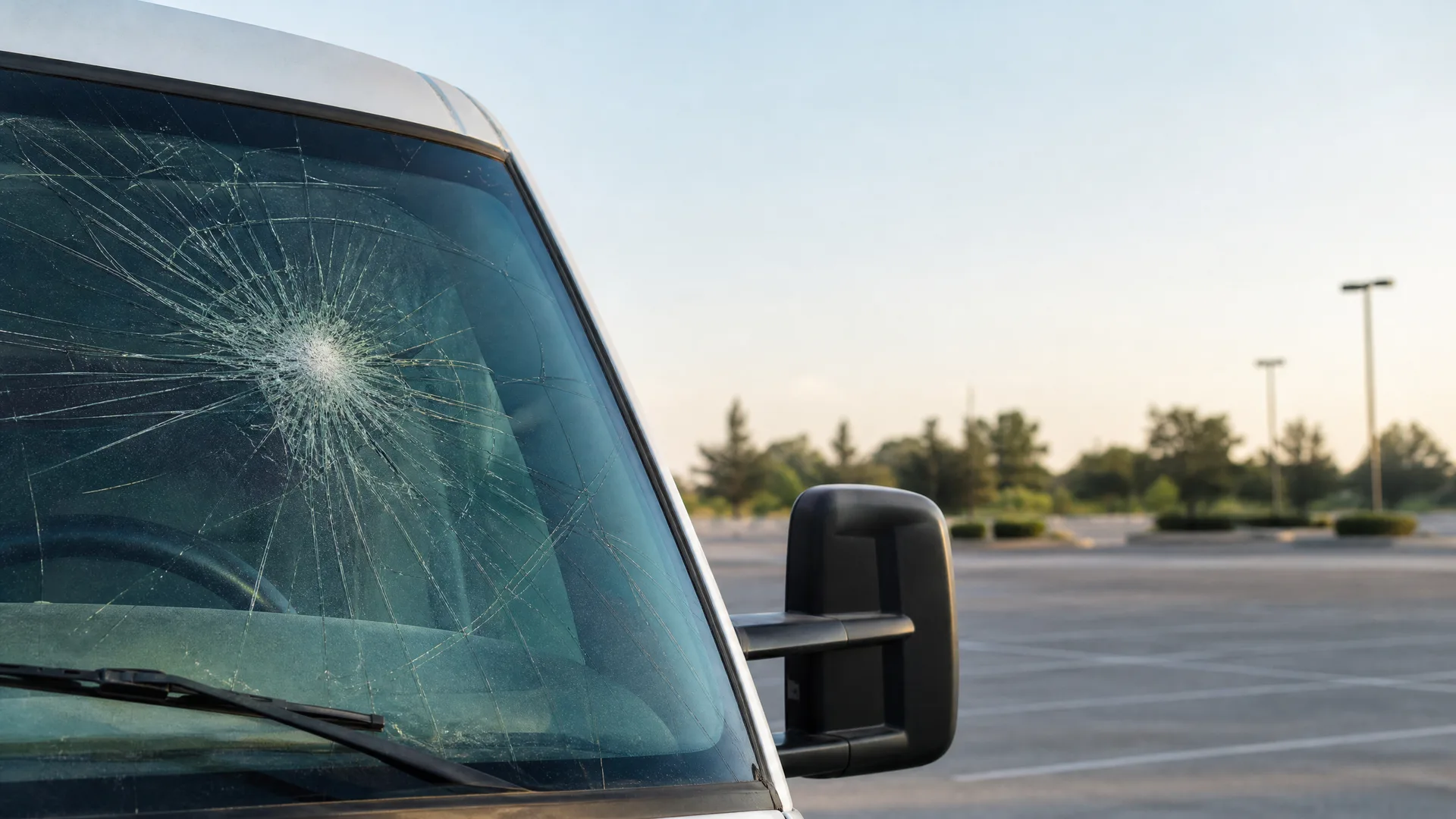
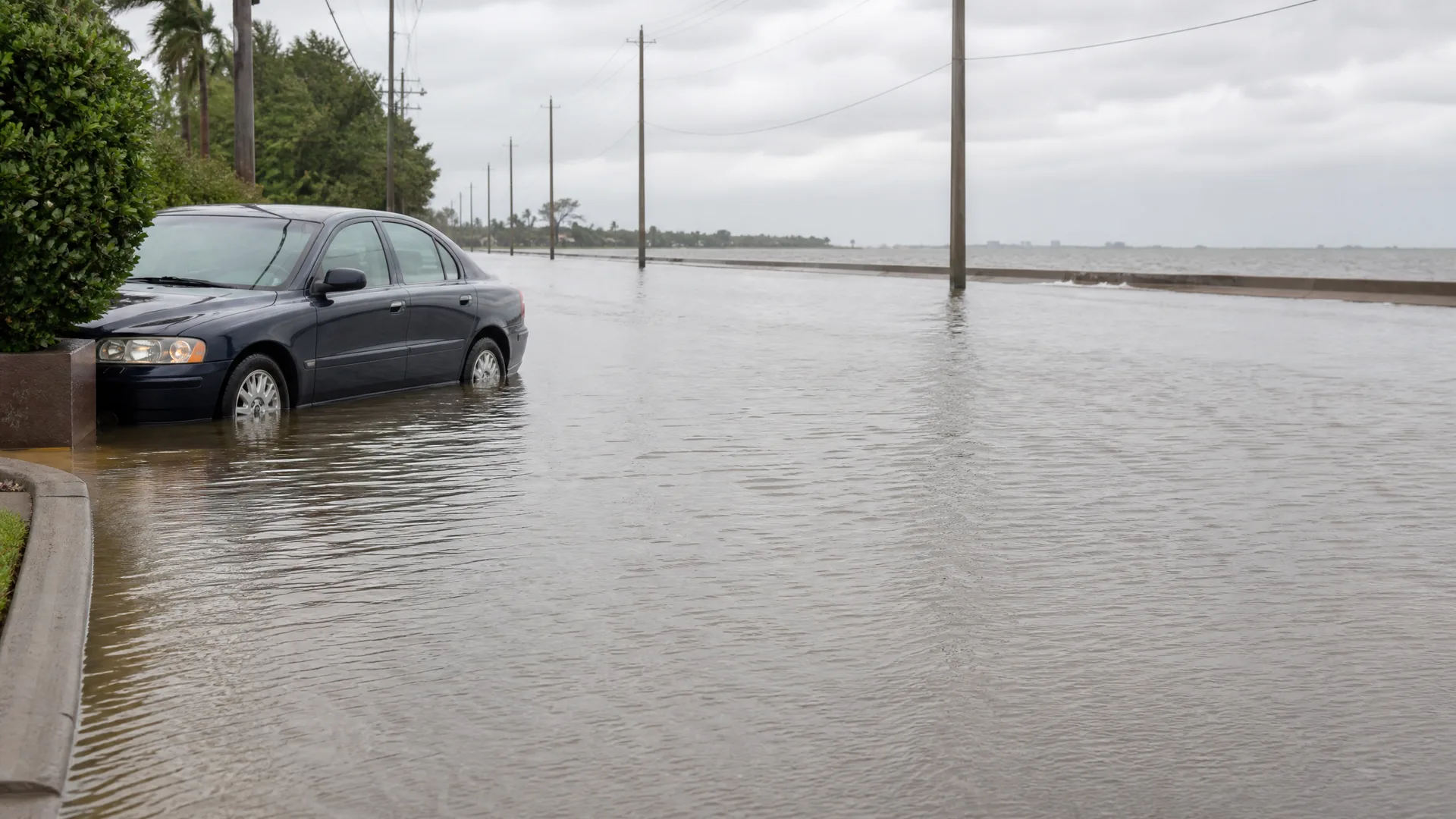
- Mechanical failure or weather Hail, flooding and breakdowns are handled by comprehensive coverage, not this one.
- Property damage, unless you added it The basic version of this coverage often covers only injuries, not your car, depending on how the policy is written.
- Damage to someone else's property That falls under your liability coverage, which pays other people when you're at fault, not this one.
Worth keeping, almost always
This is one of the few coverages that's hard to argue against at any age. Whether the other driver carries insurance isn't something you control, and a serious injury claim can run well past what most people could cover from savings, no matter how comfortable retirement has left them.
What matters more at your age is whether you've set up the property damage part, since that's often optional and easy to overlook. If your car is older and nearly paid off, you may have dropped comprehensive and collision to save money. Uninsured motorist property damage can fill some of that gap if an uninsured driver is the one who hits your parked or moving car.
How much you drive still matters. Someone who's cut back to short trips around town faces less exposure than someone who still drives long distances on highways, where uninsured drivers are just as common. But even infrequent drivers get hit by other people, often while parked.
The real decision here isn't whether to carry this coverage, it's how high to set the limit. Many people buy the state minimum and never revisit it. If your savings have grown over the years, raising this limit protects more of what you've built.
How a claim actually goes
You report the crash to your own insurer, even though the other driver is at fault, since they have no insurance for the insurer to pursue. The company investigates who was at fault and whether the other driver was in fact uninsured, which can take some back and forth if the other driver disputes it or can't be found.
If you added property damage coverage, a deductible usually applies before the payment kicks in, similar to how collision coverage works. The injury portion typically doesn't carry a deductible, though this depends on how your policy is written, so it's worth checking.
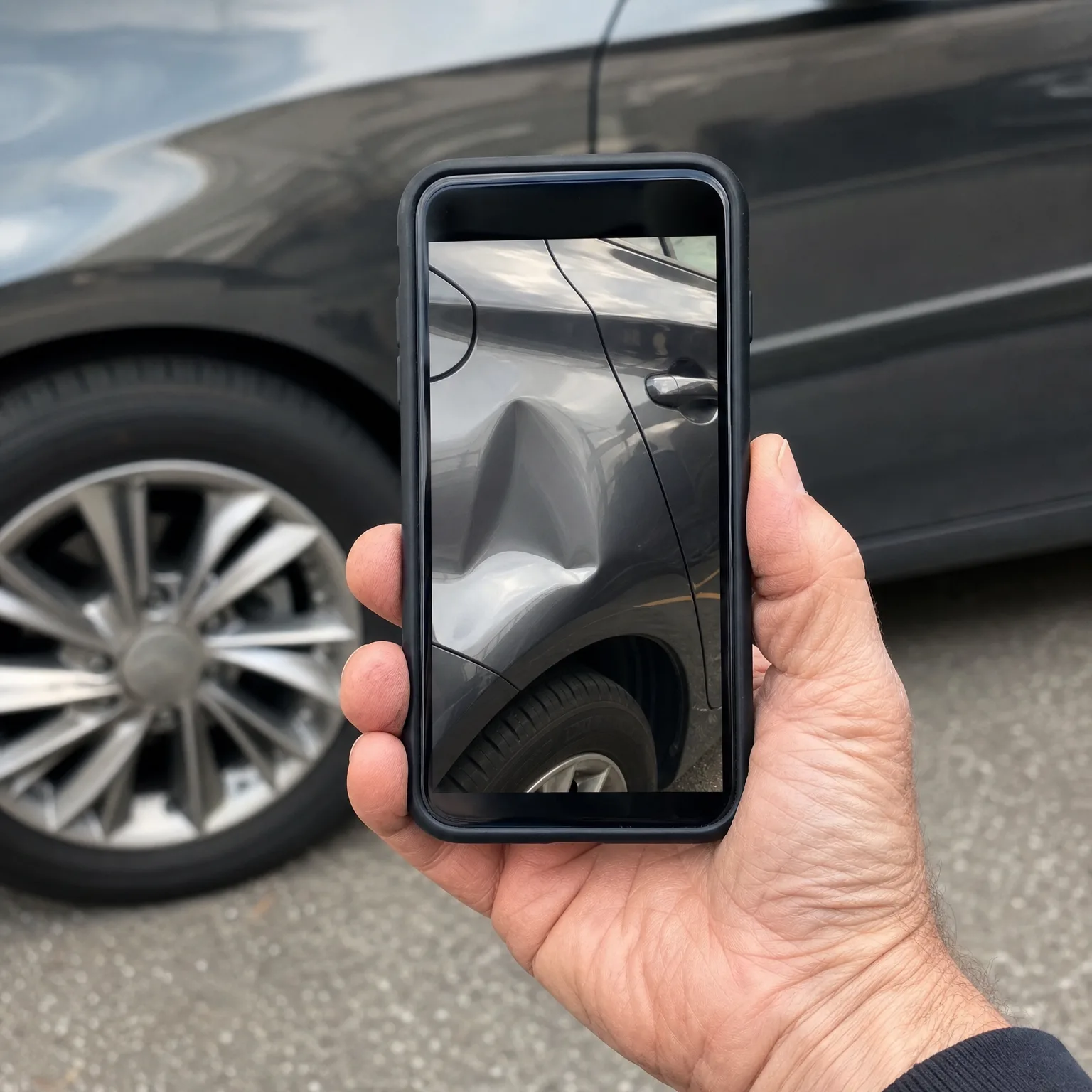
Have the police report, photos of the damage, and any medical records ready, since the insurer will want documentation that the crash happened and that your injuries or damage resulted from it. If there were witnesses, their contact information helps too, especially in a hit and run where the other driver was never identified.
The payout covers your medical bills, lost income and pain and suffering up to your policy limit, and your car damage if that part is included. It won't cover damage to someone else's car or property, since that was never your fault to begin with.
This versus underinsured motorist coverage
Uninsured motorist coverage
This applies when the other driver has no insurance at all, including hit and run drivers who can't be identified. It steps in completely, as if your own policy were paying for their mistake.
Underinsured motorist coverage
This applies when the other driver has insurance, but not enough to cover your full losses. It pays the difference between what their policy covers and what you're actually owed.
Most people carry both together, since you can't know ahead of time whether the driver who hits you will have no insurance or just not enough.
Real situations
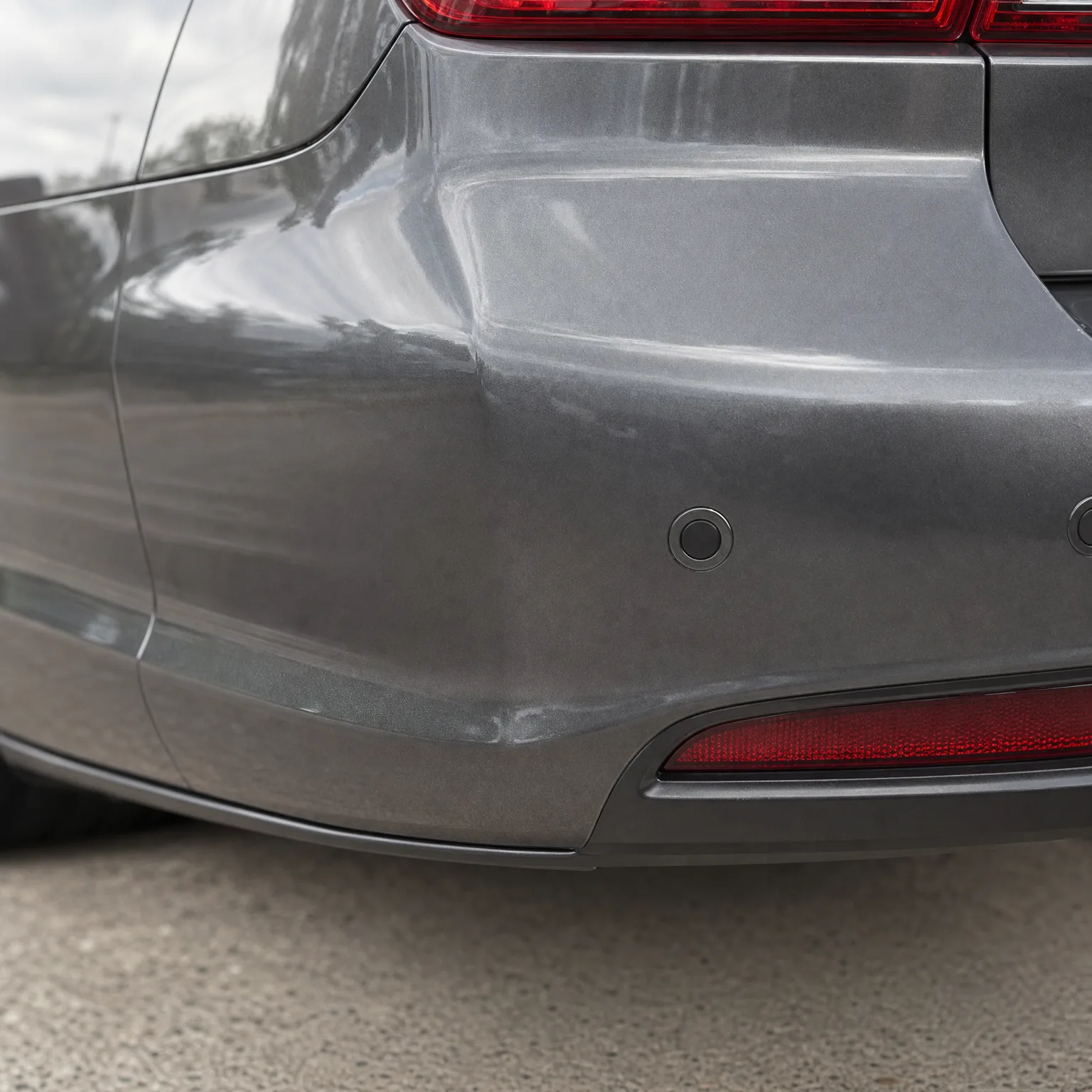
You're stopped at a light on a rural road and a driver without insurance rear-ends you, leaving you with a sore back and a crumpled bumper.
This pays for your medical care, and for the car damage too if you added that part of the coverage.
A deer runs into the road at dusk and you swerve into a ditch, damaging the front end of your car.
This doesn't pay, since no other driver was involved, comprehensive coverage is what applies here.
Someone sideswipes your parked car outside a grocery store and drives off before you come back out.
This pays, since a hit and run is treated the same as being hit by an uninsured driver.
Once you know how high you want this coverage set, compare quotes with that limit already in mind.
Questions people ask about this
Do I still need uninsured motorist coverage if I rarely drive anymore?
Yes, because the risk comes from other drivers, not from how much you're on the road. Even a car that's parked most of the time can be hit by someone without insurance, and a single serious crash can outweigh years of low mileage. If you've cut back significantly, it may be worth lowering other parts of your policy instead, but this isn't the one to cut.
What happens if the uninsured driver is never found?
Your claim can still move forward as a hit and run, treated the same as an uninsured driver claim. The insurer will want a police report and any evidence from the scene, since there's no other driver to confirm fault against. Witness accounts and photos matter more in these cases, since there's no one else's insurance company to compare notes with.
Can the other driver's insurance come after me later if they get insurance?
No, your claim is settled through your own policy at the time of the crash and isn't reopened later. Whether the other driver eventually gets insurance or pays a fine for driving without it is a separate matter between them and the state. Your payout doesn't change based on what happens to them afterward.
Does filing this kind of claim raise my rates?
It depends on your insurer and the circumstances, since you weren't at fault, but some companies still factor in any claim history. It's worth asking your agent directly how this type of claim is treated before you file, especially if the damage is minor enough that you could otherwise pay it yourself. For a significant injury claim, the coverage is worth using regardless.
Is this coverage required where I live?
That varies by state, and some require it while others only require insurers to offer it. Check your own policy or declarations page to see whether you carry it and at what limit, since it's easy to assume you have it when you don't, or to have a lower limit than you'd expect.