Hit by an Uninsured Driver in Georgia
Uninsured motorist coverage pays for your injuries and sometimes your car when the driver who hit you has no insurance at all.
What this coverage pays for
Covers
- Your medical bills It covers treatment for injuries you suffered in the crash, up to the limit you bought.
- Lost income If you missed work recovering, this can replace wages the at-fault driver can't pay.
- Pain and suffering Unlike many coverages, this one can pay for the physical and emotional toll, not just bills.
- Hit-and-run crashes If the other driver takes off and is never identified, this coverage treats them as uninsured.
- A family member as a pedestrian If you or someone on your policy is walking and gets hit by an uninsured driver, it still applies.
- Your car, in some setups Some policies bundle in property damage so the coverage also pays to fix your vehicle.
Doesn't cover
- Your own fault If you caused the crash, this coverage doesn't apply because there's no uninsured driver to blame.
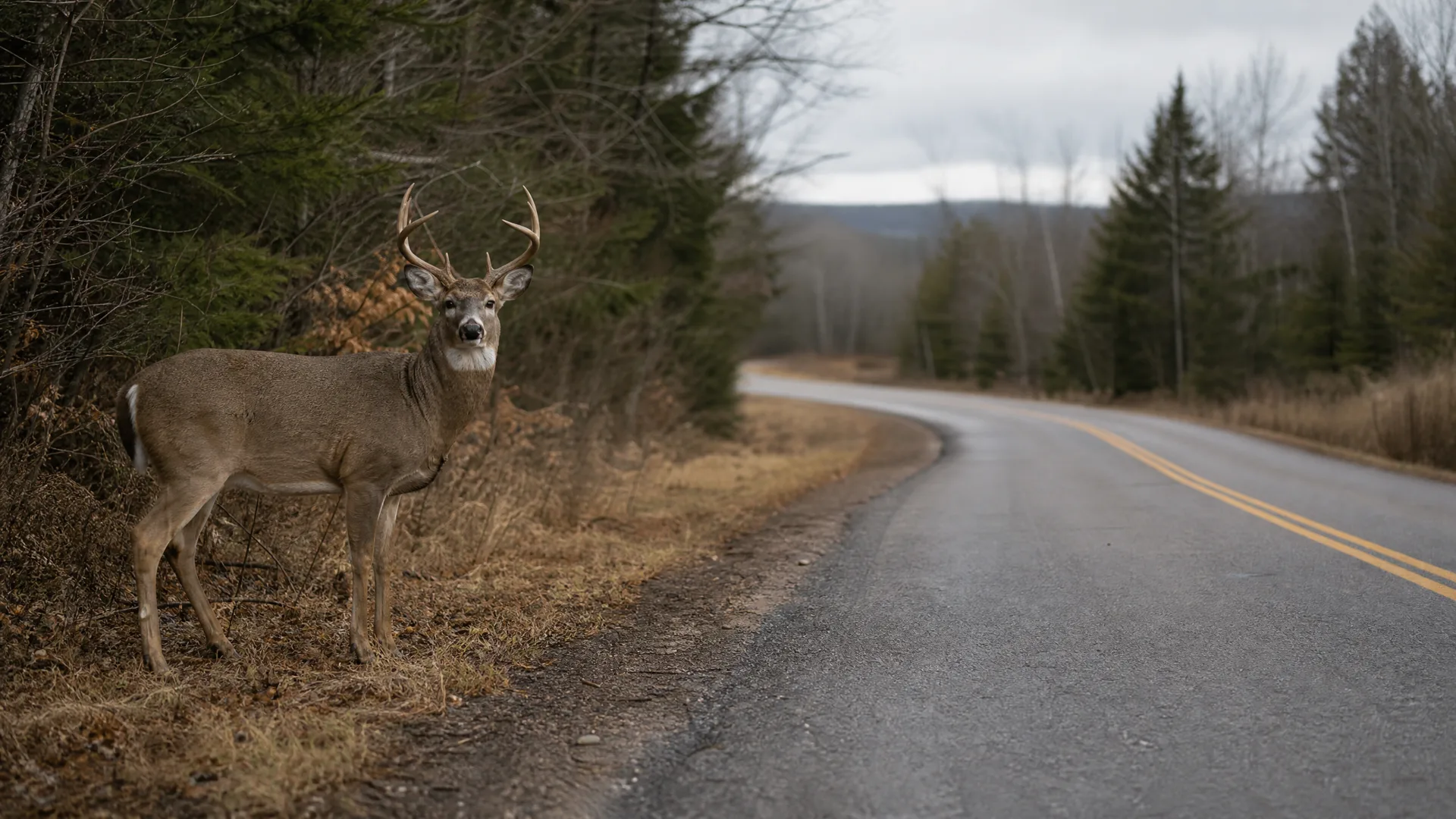
- Damage from weather or animals Hail, deer and falling branches are handled by comprehensive coverage, not this one.
- A driver who has some insurance If the other driver is insured but doesn't have enough, that's a related coverage called underinsured motorist coverage, not this one.
- Routine mechanical breakdown This coverage only responds to a crash with another driver, not normal wear or failure.
- Damage above your limit Once the payout reaches the limit you chose, you're responsible for anything beyond that.
For most older drivers in Georgia, this coverage is worth keeping
The math behind this one has little to do with your driving record and everything to do with what you'd be stuck with if someone else wrecks your car or hurts you and has nothing to pay you with. That risk doesn't go down as you age, and medical costs from a serious crash can run well past what most households keep in savings.
If your car is older and mostly paid off, the property piece matters less, since you could replace it without much trouble. But the medical and injury piece still matters a great deal, because a broken hip or a long recovery at this age isn't something you want to fund out of pocket while also fighting an uninsured driver for payment.
How much you drive and where the car sits overnight both affect your real exposure. Someone who drives daily on busy roads or leaves a car on the street faces more contact with other drivers than someone who drives occasionally and parks in a garage. Neither situation makes this coverage unnecessary, but it does change how much you might want to carry.
The one case where it's reasonable to scale back is if you have enough set aside to cover a serious injury claim yourself and you're comfortable taking that risk. Short of that, this is one of the cheaper lines on the policy relative to what it protects.

How a claim actually goes
You first have to establish that the other driver had no insurance, which usually means a police report and your insurer confirming it with the state or the other driver directly. Once that's settled, your own insurer handles the claim, not the other driver's company, since there isn't one.
A deductible may apply if the claim includes damage to your car, though the injury portion usually isn't subject to one. Your insurer will ask for medical records, bills, proof of lost income if you're claiming it, and the police report from the crash.
The payout covers your losses up to the limit you chose when you bought the policy, not whatever the full cost turns out to be if it exceeds that limit. Keep your own documentation as the claim moves along, including photos, repair estimates and any correspondence, since claims like this can take some back and forth before they close.
Uninsured motorist coverage vs. underinsured motorist coverage
Uninsured motorist coverage
This applies when the other driver has no insurance at all, including hit-and-run drivers who are never found. It can cover your injuries and, depending on how your policy is set up, your car as well.
Underinsured motorist coverage
This applies when the other driver has insurance but not enough to cover what you're owed. It fills the gap between their limit and your actual losses.
Most people carry both together, since you can't know in advance which kind of driver will hit you.
Real situations
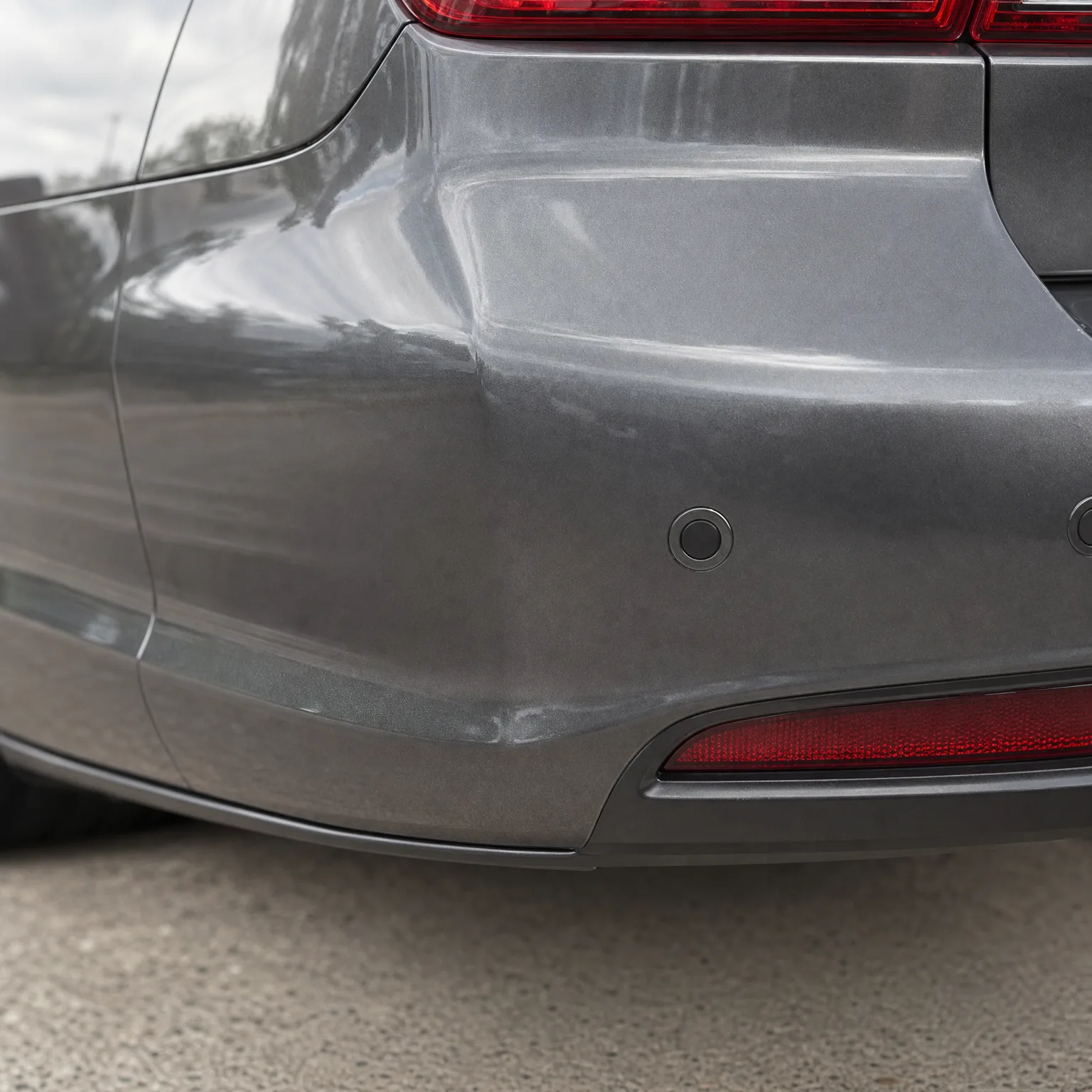
You're stopped at a light and a driver without insurance rear-ends you, injuring your neck and totaling your car.
This pays for your injuries and, depending on your setup, the damage to your car.
A hailstorm hits while your car is parked outside church and leaves dents across the hood.
This doesn't pay, since there's no other driver involved; that's a comprehensive claim.
A driver runs a stop sign, hits you, and speeds off before you get a license plate.
This pays, since an unidentified hit-and-run driver is treated as uninsured.
Once you know how much of this coverage you want to keep, you can compare quotes with that figure already decided.
Questions people ask about this
Do I need uninsured motorist coverage if I have health insurance?
Yes, because health insurance only covers medical treatment and won't replace lost income, pay for pain and suffering, or cover damage to your car. This coverage fills gaps health insurance was never meant to cover. Check your health plan's deductible and out-of-pocket costs to see how much you'd still be exposed to without it.
Can the other driver's insurance company deny my claim and leave me with nothing?
Yes, if they genuinely have no insurance or if their policy excludes the situation, which is exactly why this coverage exists. It lets your own insurer step in instead of leaving you to chase someone who can't pay. Review your policy limits to make sure they're high enough to matter if this happens.
Does my rate go up if I use uninsured motorist coverage?
It depends on your insurer's rules, since this wasn't your fault, but policies vary on how they treat claims like this. Ask your agent directly how a claim like this is treated before you file. Some insurers treat no-fault claims differently than at-fault ones.
What if the uninsured driver who hit me doesn't have a license either?
It doesn't change anything about your claim, since this coverage is triggered by lack of insurance, not lack of a license. You'll still need a police report documenting the crash and the other driver's information if available. An unlicensed driver is often also uninsured, which makes this coverage even more relevant.
Do I need this coverage if I rarely drive anymore?
You may still need it, since this coverage also protects you as a pedestrian or passenger, not just while you're driving. If you ride with others, walk in your neighborhood, or occasionally take the car out, the exposure hasn't disappeared. Whether to scale back the limit is a separate question from whether to drop it entirely.