Hit by an Uninsured Driver in South Carolina
Uninsured motorist coverage pays for your injuries and, in many cases, your car damage when the driver at fault has no insurance at all.
What this coverage pays for
Covers
- Your injuries from an uninsured driver If someone with no insurance hits you, this steps in to cover your medical costs instead of leaving you to pay them yourself.
- Injuries to your passengers Anyone riding in your car at the time is covered the same way you are.
- A hit and run driver If the other driver takes off and can't be identified, this coverage treats it the same as if they had no insurance.
- Damage to your car, where this applies Some policies add this as its own piece, so check your declarations page to see whether car damage is included or handled separately.
- You as a pedestrian or cyclist If an uninsured driver hits you while you're walking or riding a bike, this coverage can still apply.
Doesn't cover
- Damage from a driver who has insurance If the other driver is insured, their liability coverage is supposed to pay, not yours.
- Your own at fault accident If you caused the crash, your own liability or collision coverage is what applies, not this one.
- Damage from weather or animals Hail, flooding, falling branches and deer strikes are handled by comprehensive coverage, not this one.
- Mechanical breakdowns A dead battery, a blown transmission or routine wear has nothing to do with another driver and isn't covered here.
- Damage to someone else's property If you're at fault and damage another car or a fence, that's your liability coverage's job.
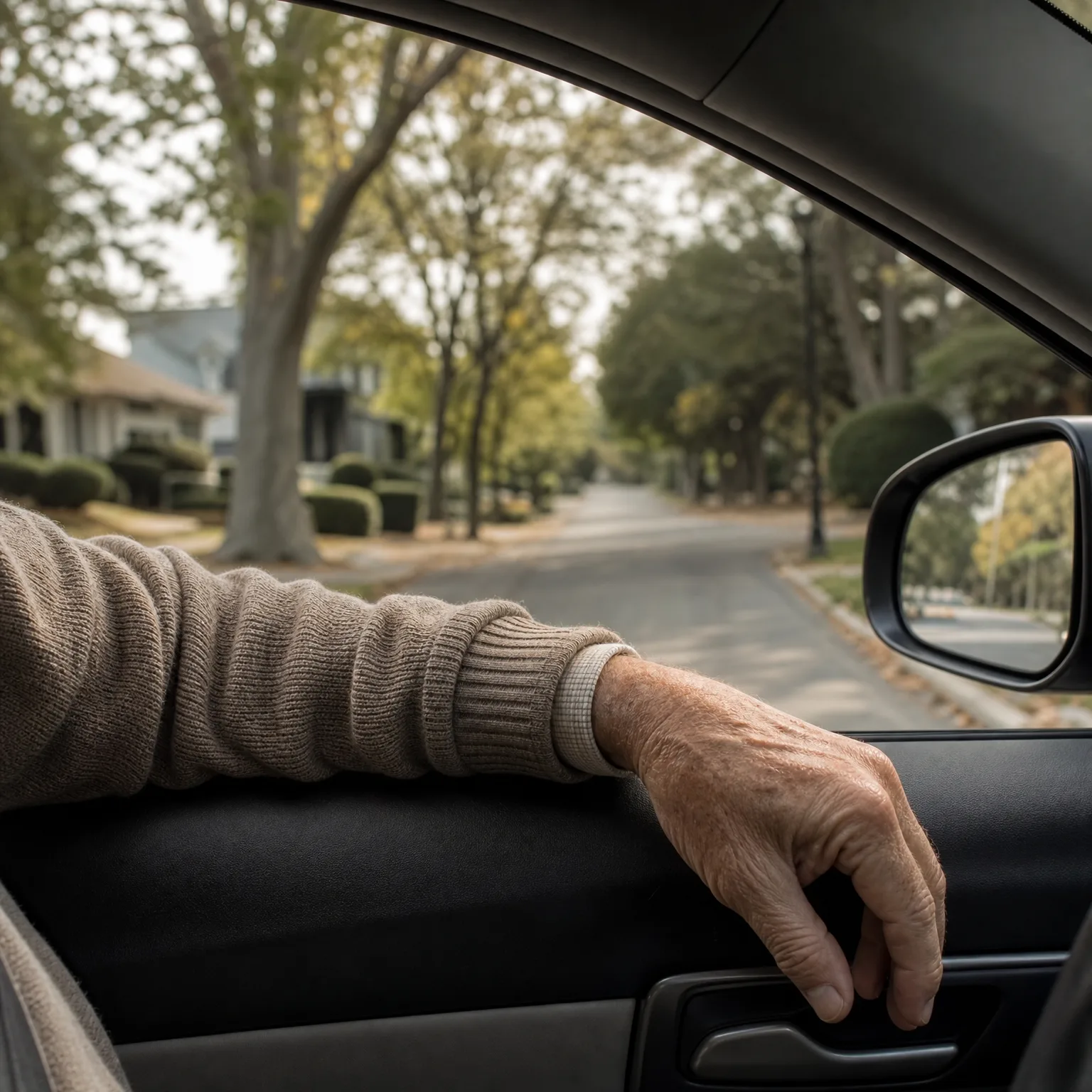
For most drivers in their sixties, seventies or eighties, this coverage is worth keeping
Start with what your car is worth. If it's older and mostly paid off, the physical damage part matters less, but the medical side still matters a great deal, especially since healing from an injury takes longer and costs more as you get older.
Think about what you could absorb from savings if an uninsured driver left you with real medical bills or a totaled car. Many drivers in retirement are living on fixed income, and an unexpected bill of any size is harder to recover from than it was during working years.
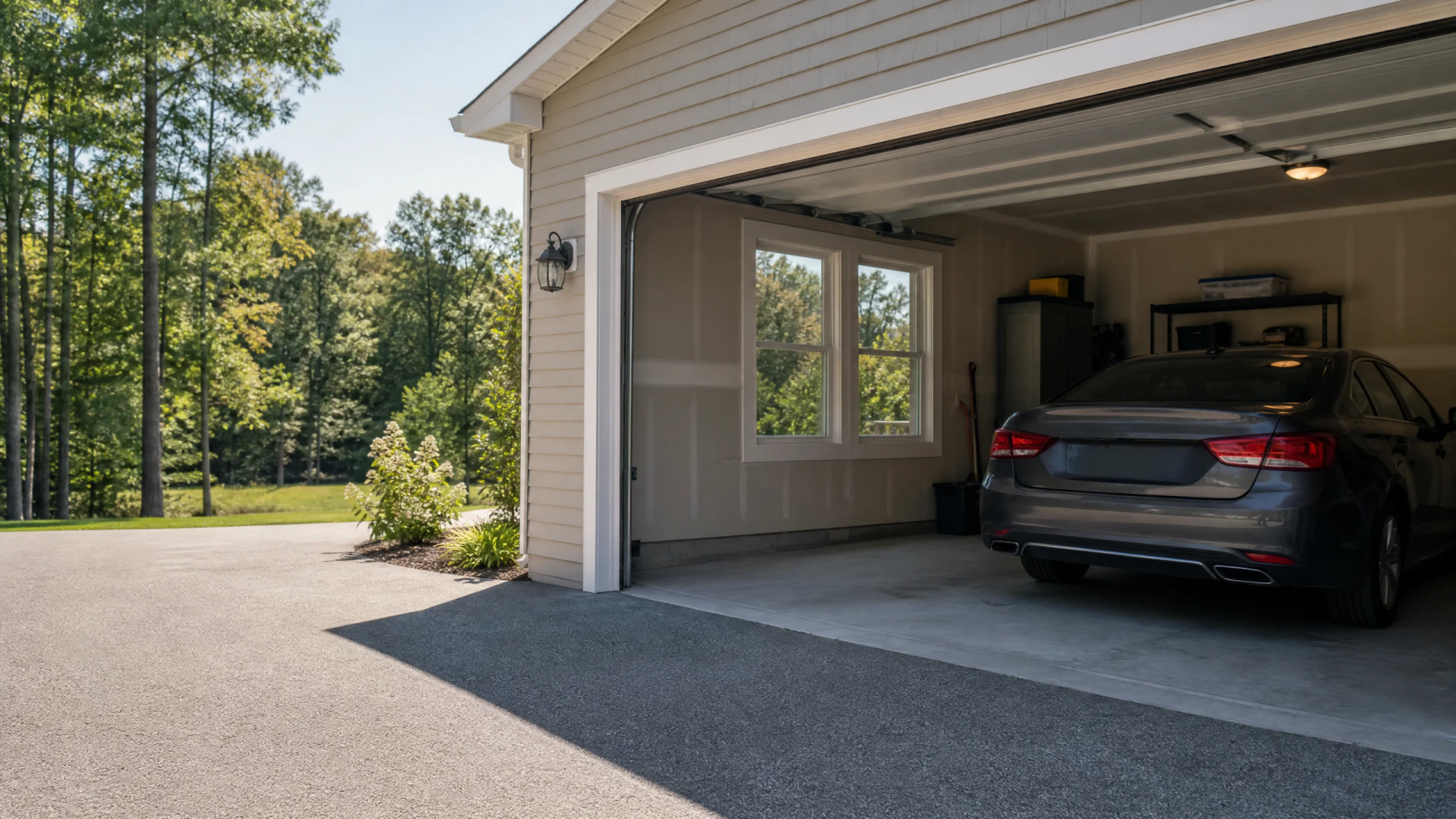
How much you drive and where the car sits overnight matters too. If you still drive regularly on local roads, county highways or anywhere with older vehicles on the road, your odds of meeting an uninsured driver are real, not theoretical. A car parked in a garage and driven rarely carries less exposure, but it never reaches zero.
The cost of carrying this coverage tends to be modest next to what it protects. Dropping it usually isn't about the coverage failing you. It's about deciding the gap in protection is one you're willing to accept.
What happens when you actually use it
You start a claim with your own insurer, not the other driver's, since there's no other insurer to deal with. If your policy includes a deductible for this coverage, it applies before any payment goes out, so check your declarations page to see what yours is set at.
Your insurer will ask for a police report, details of the crash, and in a hit and run, any evidence you have that another vehicle was involved, like witness statements or paint transfer. Medical bills, repair estimates and lost wage documentation all help move the claim along.
The payment covers your injuries and, if your policy includes it, your car's damage up to your coverage limit. It won't cover pain and suffering beyond what your policy allows for, and it won't replace a car with something nicer than what you had.
Have your policy number, the police report, and any medical or repair paperwork ready when you call. The more organized you are at the start, the smoother the claim tends to go.
Uninsured motorist coverage versus collision coverage
Uninsured motorist coverage
This applies specifically when the other driver has no insurance or can't be found. It covers your injuries and, depending on your policy, your car's damage caused by that driver.
Collision coverage
This pays for damage to your own car no matter who caused the accident, including if you hit a tree or another car hits you and has no insurance. It doesn't cover your medical costs at all.
If you already carry collision coverage, lean on uninsured motorist coverage mainly for the medical protection it adds, since collision alone leaves your injuries unprotected.
Real situations
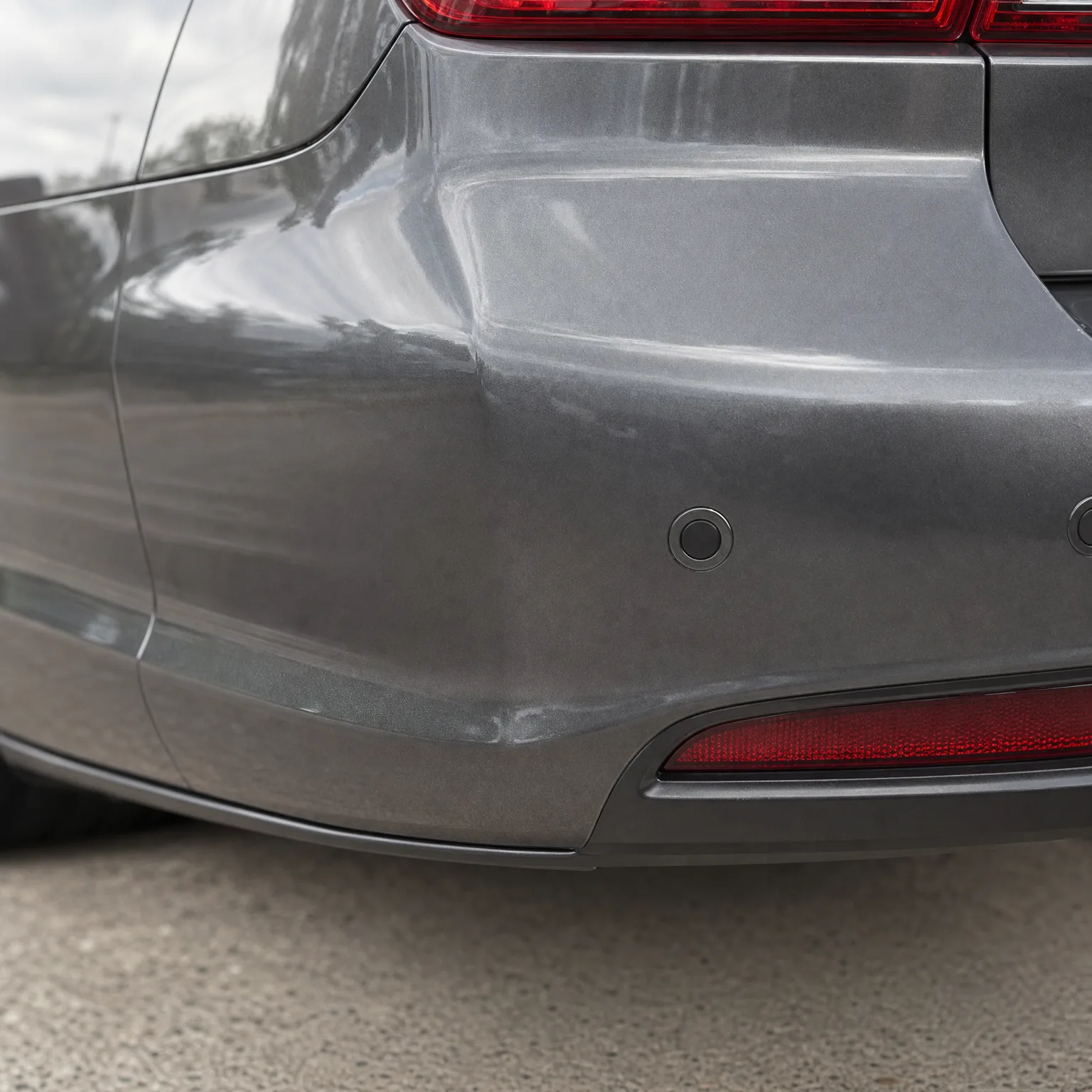
You're stopped at a light and a driver without insurance rear ends you, leaving you with a sore neck and a dented bumper.
This pays for your medical treatment and, if your policy includes it, the damage to your car.
A hailstorm hits while your car is parked at church and leaves dents across the hood and roof.
This doesn't pay, since no other driver was involved. Comprehensive coverage handles weather damage.
A driver runs a stop sign, hits your car, and drives off before you can get a plate number.
This pays as a hit and run claim, since the at fault driver can't be identified or held responsible.
Once you know whether you want this coverage kept, added or adjusted, you're ready to compare quotes with that decision already made.
Questions people ask about this
Does uninsured motorist coverage cover my car if I don't have collision?
It depends on how your policy is written. Some policies bundle car damage from an uninsured driver into this coverage, while others require collision coverage separately, so check your declarations page to see which applies to you.
What is underinsured motorist coverage and do I need both?
Underinsured motorist coverage applies when the other driver has insurance but not enough to cover your costs. Many people carry both together, since one handles drivers with no insurance and the other handles drivers who don't have enough. Whether both are required or offered varies by state, so check your policy.
Can my own insurance rates go up after an uninsured motorist claim?
It depends on your insurer's rules, since you weren't at fault. Some insurers don't raise rates for claims where you're not responsible, while others look at your overall claims history, so it's worth asking your agent directly.
How do I know if the other driver actually has insurance?
The police report filed at the scene usually notes whether the other driver could provide proof of insurance. If they couldn't, or if they fled, that's generally what triggers this coverage rather than a claim against their policy.
Is uninsured motorist coverage required in South Carolina?
Whether this coverage is required or simply offered varies by state, so check your own policy or declarations page to see how it's set up for you.