Hit by an Uninsured Driver in Oklahoma
Uninsured motorist coverage pays for your injuries and sometimes your car when the at-fault driver has no insurance to cover what happened.
What it pays for
Covers
- Your medical bills If the other driver has no coverage, this picks up your treatment and recovery costs instead.
- Lost income from the crash Time you miss from work because of injuries caused by an uninsured driver can be covered.
- Pain and suffering Unlike regular medical payments coverage, this can account for the ongoing impact of an injury, not just the bills.
- A hit-and-run that leaves you hurt If the driver takes off and is never identified, this coverage treats it the same as if they had no insurance.
- Passengers riding with you People in your car at the time of the crash are generally covered the same way you are.
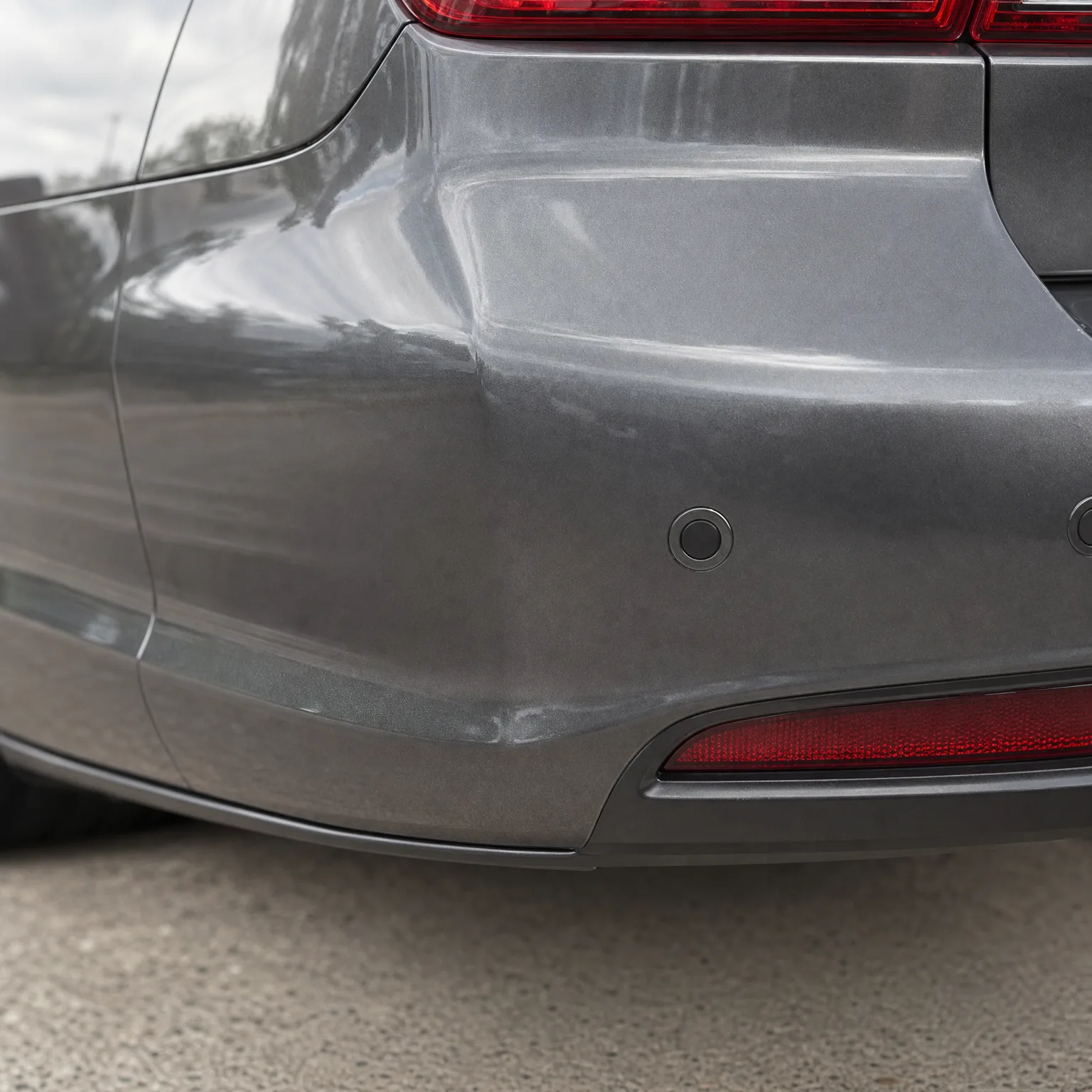
- Damage to your car, if you added that part Some policies let you add uninsured motorist property damage separately, which pays for the car itself.
Doesn't cover
- Your own driving mistakes This only applies when the other driver is at fault and uninsured. If you caused the crash, your own liability or collision coverage is what applies.
- Damage from weather or animals Hail, wind and deer strikes aren't about another driver at all, so comprehensive coverage is what handles those.
- A driver who has some insurance but not enough That situation is usually handled by underinsured motorist coverage, a close relative of this one with its own terms.
- Routine car trouble Mechanical failure or wear and tear has nothing to do with an uninsured driver and isn't part of this coverage.
- Damage to someone else's property If you're the one hit, this is about what happens to you, not about paying another person's repair bills.
For most older drivers, this is worth keeping
Start with what's actually at stake if an uninsured driver hurts you. Medical costs after a real injury can run far higher than what a car is worth, and at this stage of life recovery often takes longer and costs more, which makes this coverage matter more, not less, as you age.
Look at what you drive and how it's paid for. If your car is older and already paid off, you may be comfortable handling vehicle damage yourself, but your body isn't something you can self-insure the same way. That distinction matters more here than almost anywhere else on the policy.
Think about how much driving you still do and where the car spends its time. Someone who drives often on highways or unfamiliar roads carries more exposure than someone who mostly drives short, familiar routes. A car that sits in a driveway most of the week still faces risk every time it leaves, just less of it.
Consider what you could absorb from savings without real strain. If a serious injury with no insurance on the other side would force you to dip into retirement funds or go without needed care, that's the clearest sign this coverage is doing real work for you.
How a claim actually goes
You report the crash to your own insurer, even though you didn't cause it, because this coverage is part of your policy, not the other driver's. You'll need details about the crash, any police report, and proof that the other driver had no insurance or couldn't be identified.
A deductible may apply, usually only on the property damage portion if you added that, while the injury portion often doesn't carry one. The payout is meant to cover medical treatment, lost income and the broader impact of the injury, within the limits you chose when you set up the policy.
Have your medical records, bills and any documentation of missed work ready, since the claim is built around proving what the injury actually cost you. If the other driver is later identified or found to have some insurance after all, your insurer may adjust how the claim is handled.
Often confused with underinsured motorist coverage
Uninsured motorist coverage
This applies when the other driver has no insurance at all, or can't be found after a hit-and-run. It steps in completely, as if that driver's policy didn't exist.
Underinsured motorist coverage
This applies when the other driver has insurance, but not enough to cover what the crash actually cost you. It fills the gap between what they carry and what you're owed.
Most drivers carry both together, since you don't know in advance which situation you'll face, and the two work as a pair rather than a choice.
Real situations
You're stopped at a light and a driver without insurance rear-ends you, leaving you with a neck injury that needs physical therapy.
This pays, since the other driver is confirmed uninsured and you were injured.
A driver sideswipes your car in a parking lot and drives off before you can get a plate number.
This can pay as a hit-and-run claim if the driver is never identified, assuming you reported it.
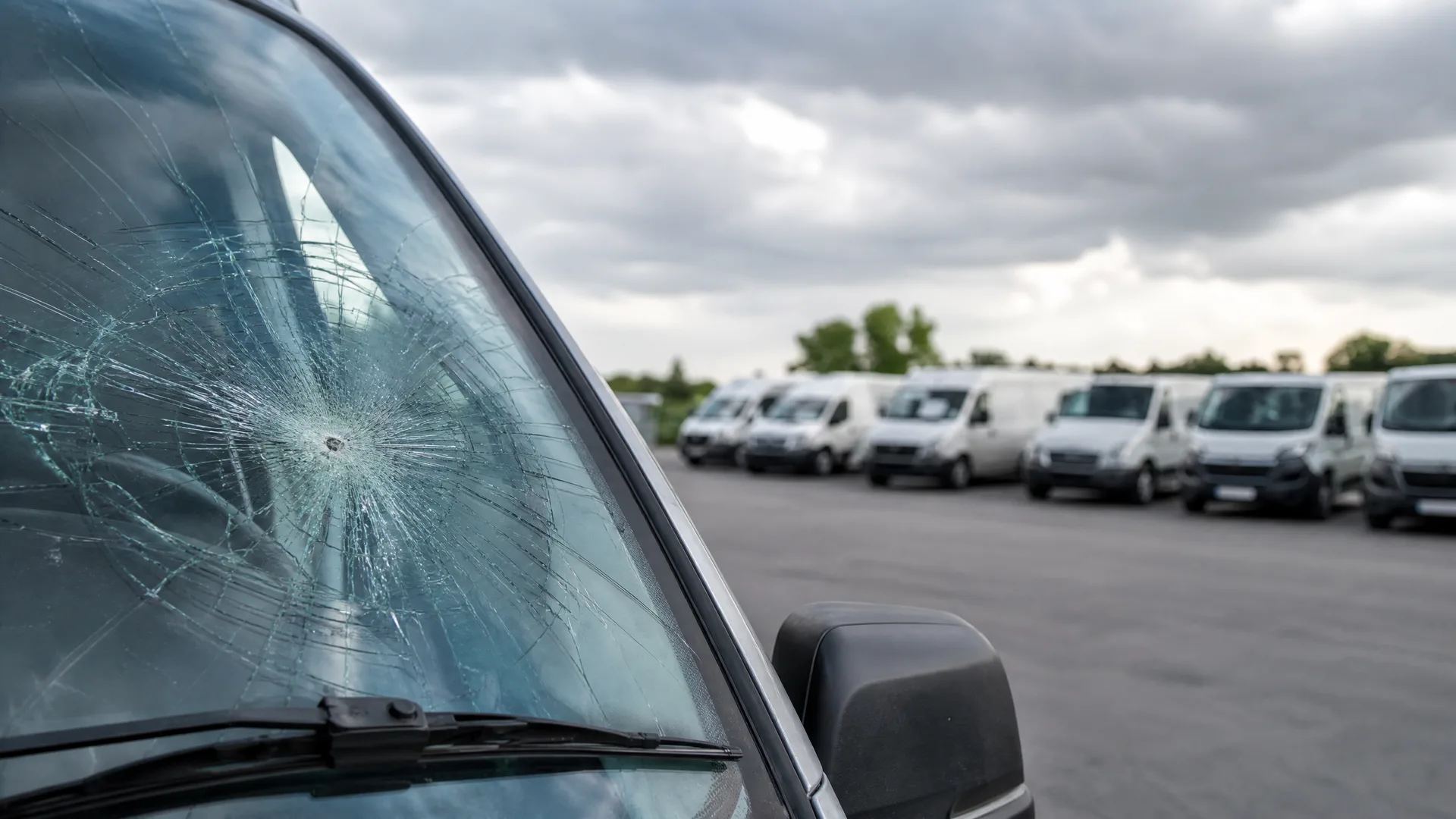
Hail dents your hood and cracks your windshield while the car is parked outside church.
This doesn't pay, since no other driver is involved. Comprehensive coverage is what applies here.
Once you know whether you want this coverage and at what level, you're ready to compare quotes with that already settled.
Questions people ask about this
Do I need uninsured motorist coverage if I already have health insurance?
You can still benefit from having both, since health insurance often doesn't cover lost income or the full impact of a long recovery. Check whether your health plan has gaps for things like rehabilitation or out-of-network care after a crash. This coverage can also apply to passengers in your car who may not have the same health coverage you do.
How do I know if the other driver was uninsured?
This is usually confirmed through the police report or through your insurer checking after the claim is filed. If the driver fled the scene, a report of the crash is what allows the claim to move forward as a hit-and-run. Ask your insurer early in the process what proof they need, since requirements can vary.
Can I be sued by an uninsured driver after a crash?
Yes, this is possible, and your separate liability coverage is what would respond to that, not this coverage. This coverage protects you when you're the injured party, not when you're the one being pursued. Those are two different parts of your policy working in different directions.
Does this coverage follow me if I'm a passenger in someone else's car?
Yes, in most cases your own coverage can still apply even when you're riding in another person's vehicle. Check how your policy defines this, since some set limits based on where the crash happens. It's worth asking your insurer directly if you often ride with others.
Is this coverage required in Oklahoma?
Whether it's required or just offered varies by state, so check your own policy or declarations page to see how it's set up for you. Some states require insurers to offer it even if you're allowed to decline it in writing. If you're unsure, ask your insurer directly what your current policy includes.