Hit by an Uninsured Driver in Arkansas
Uninsured motorist coverage pays for your injuries and sometimes your car when the at-fault driver has no insurance to cover what happened.
What it pays for
Covers
- Your medical bills Covers treatment for injuries you suffer when the other driver has no liability coverage at all.
- Lost income Pays for wages you miss while you recover, if your policy includes that piece.
- Pain and suffering Unlike most car insurance, this coverage can pay for the injury itself, not just the bills it caused.
- Hit and run crashes If the other driver flees and is never identified, this coverage can still respond as if they had no insurance.
- Passengers in your car Anyone riding with you who's hurt by an uninsured driver can usually be covered under the same policy.
- Underinsured drivers too A related version of this coverage pays the gap when the other driver has insurance but not enough to cover the damage.
Doesn't cover
- Damage to your car In many states this coverage is written for injuries only, with a separate property damage version or collision coverage paying for the vehicle.
- Your own fault crashes This only applies when another driver is at fault and uninsured. Your own liability coverage handles crashes you cause.
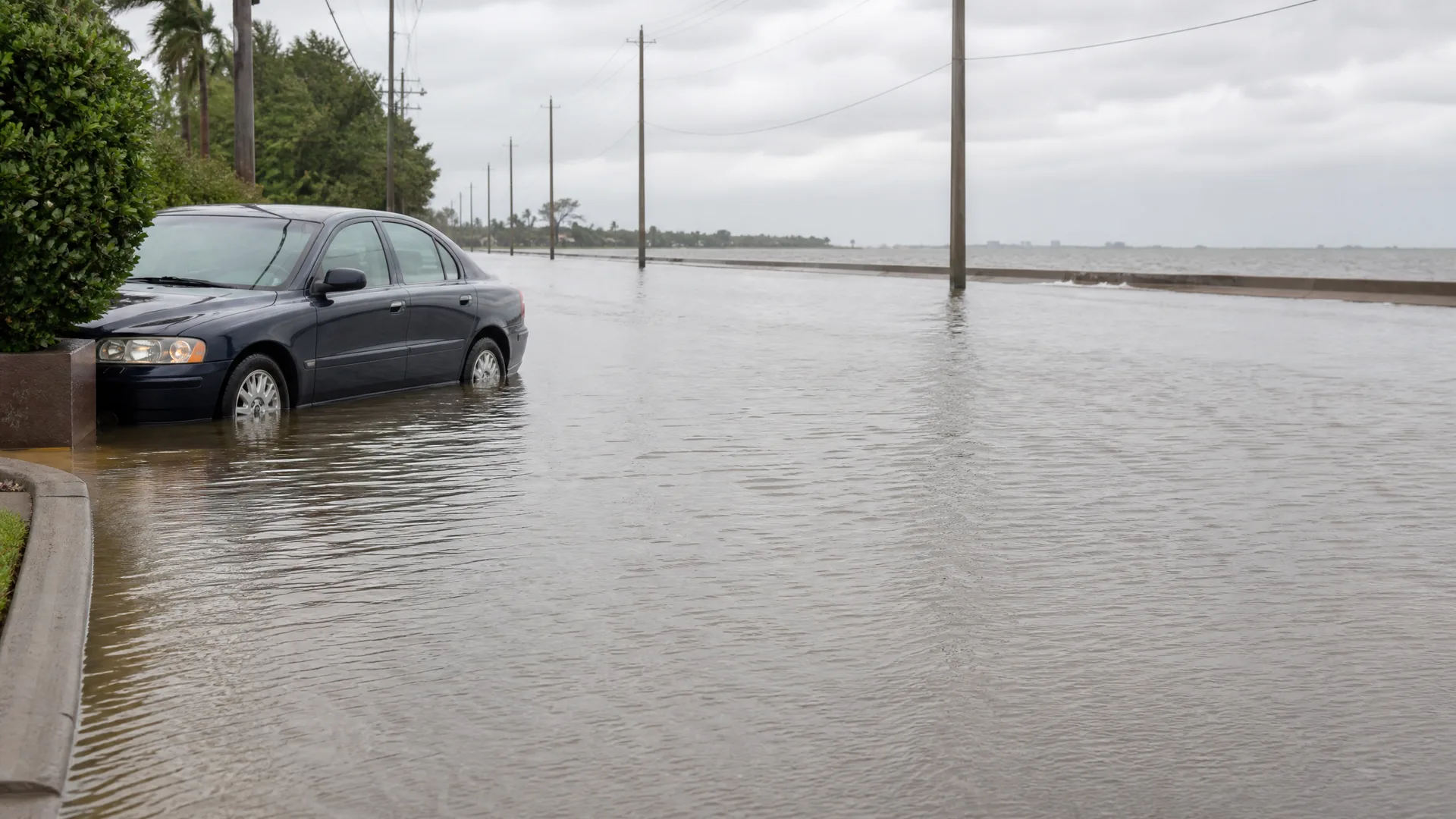
- Weather or animal damage Hail, flooding, and hitting a deer aren't about another driver, so comprehensive coverage handles those instead.
- A car you don't own Coverage follows your policy and household, so driving a borrowed or rented car may change how this applies.
- Punitive damages This pays for your actual losses, not extra money meant to punish the other driver.
Yes, this is worth keeping for almost everyone
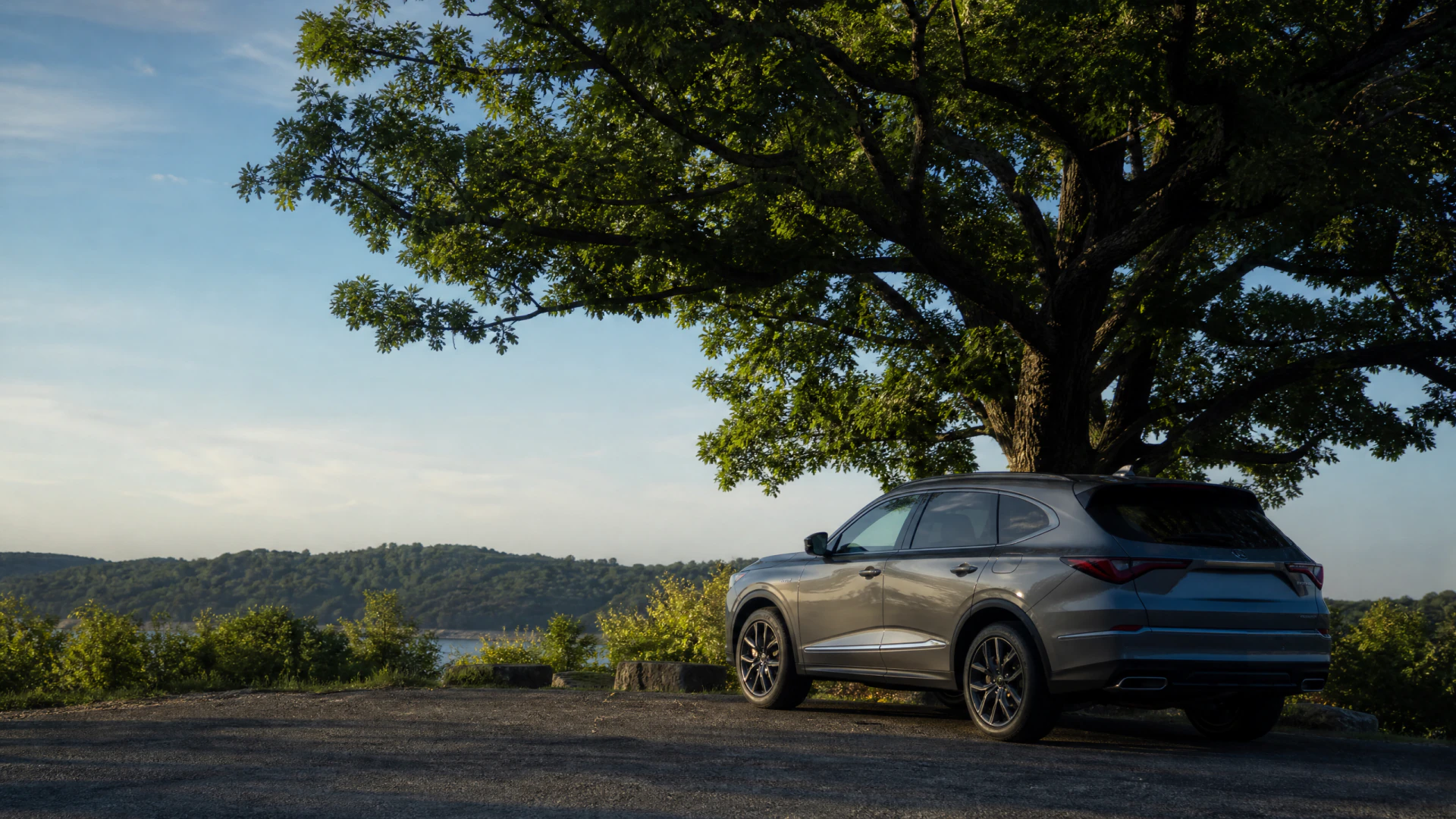
The core problem this solves doesn't go away as you get older. Someone else runs a light or drives without insurance, and you're the one left with the bill, no matter how careful you've been for forty years.
What matters more at this age is what you could absorb on your own. If a serious injury would mean draining savings you're counting on for retirement, this coverage is doing real work for you. If you have enough set aside to cover a bad outcome without changing how you live, the coverage still helps, but it matters less.
How much you drive and where the car sits also factor in. A car driven daily on busy roads carries more exposure than one that mostly sits in a garage and makes short trips. Rural roads bring their own risk, since drivers who skip insurance tend to cluster in places with less enforcement.
This is also one of the few coverages that's genuinely inexpensive relative to what it protects. There isn't much upside to dropping it once you understand what it covers.
What happens when you use it
A claim starts like most others. You report the crash, and if the other driver has no insurance or can't be found, your insurer steps in to evaluate your injuries and losses as if that driver carried a policy. Some states apply a deductible to this coverage, so check your own policy for how that works.
Your insurer will want documentation. Medical records, lost wage statements, and a police report all help establish what you're owed. Because there's no other insurer involved to negotiate with, the process can move faster than a typical third-party claim, though your own company will still want to see paperwork before paying out.
The payment covers your injuries and related losses up to your policy's limit. It won't cover the other driver's situation at all, since they're the reason this coverage exists in the first place. Keep your limits in mind, since this coverage can only pay up to whatever amount you chose when you set up the policy.
Uninsured motorist coverage vs. collision coverage
Uninsured motorist coverage
This pays for your injuries, and in some states your car, when another driver is at fault and has no insurance. It exists specifically because of what someone else failed to carry.
Collision coverage
This pays to repair or replace your car after a crash, regardless of who caused it. It applies whether you hit a tree, another car, or an uninsured driver hits you.
If you want your car repaired no matter who's at fault, collision is what does that, while uninsured motorist coverage is about protecting you from someone else's lack of insurance.
Real situations
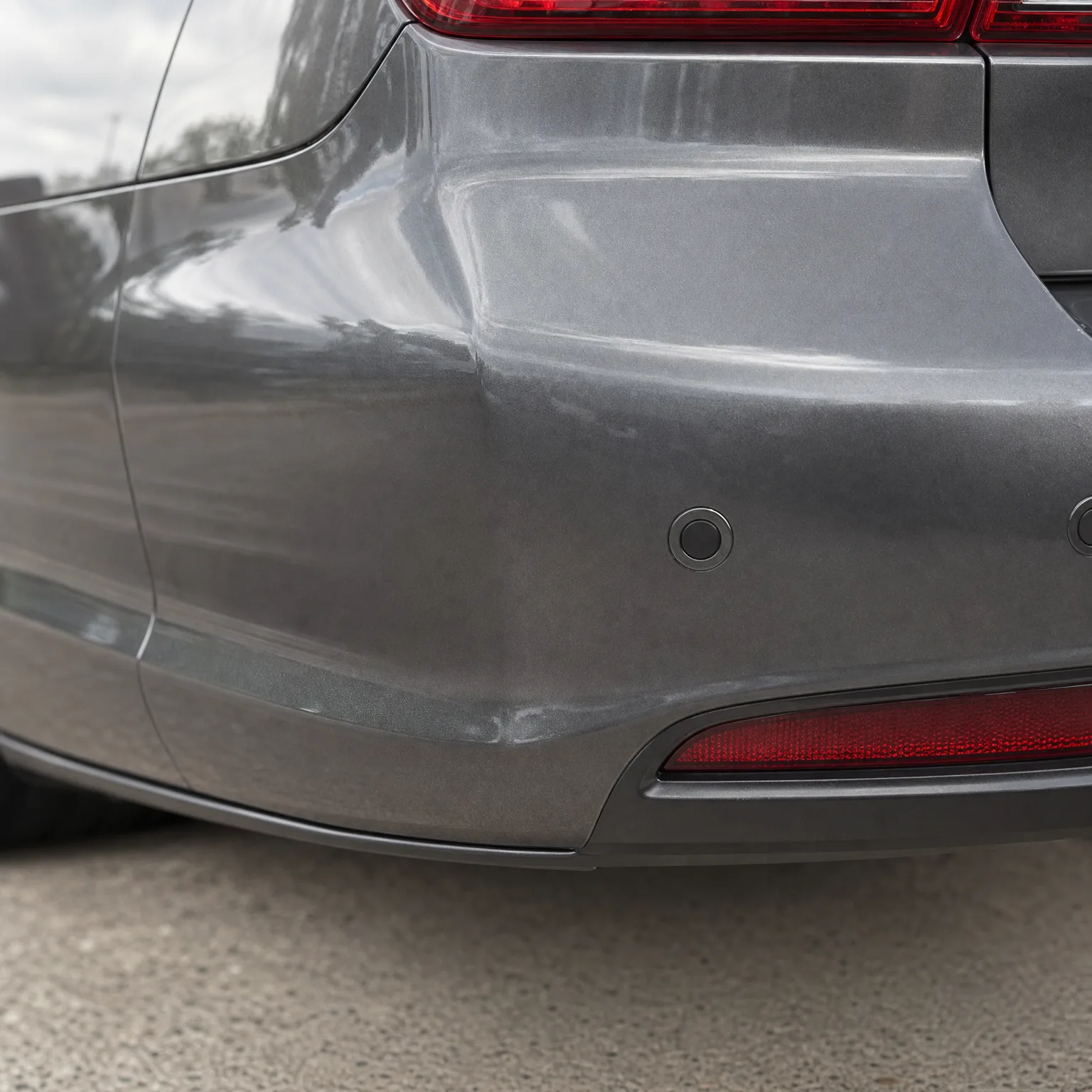
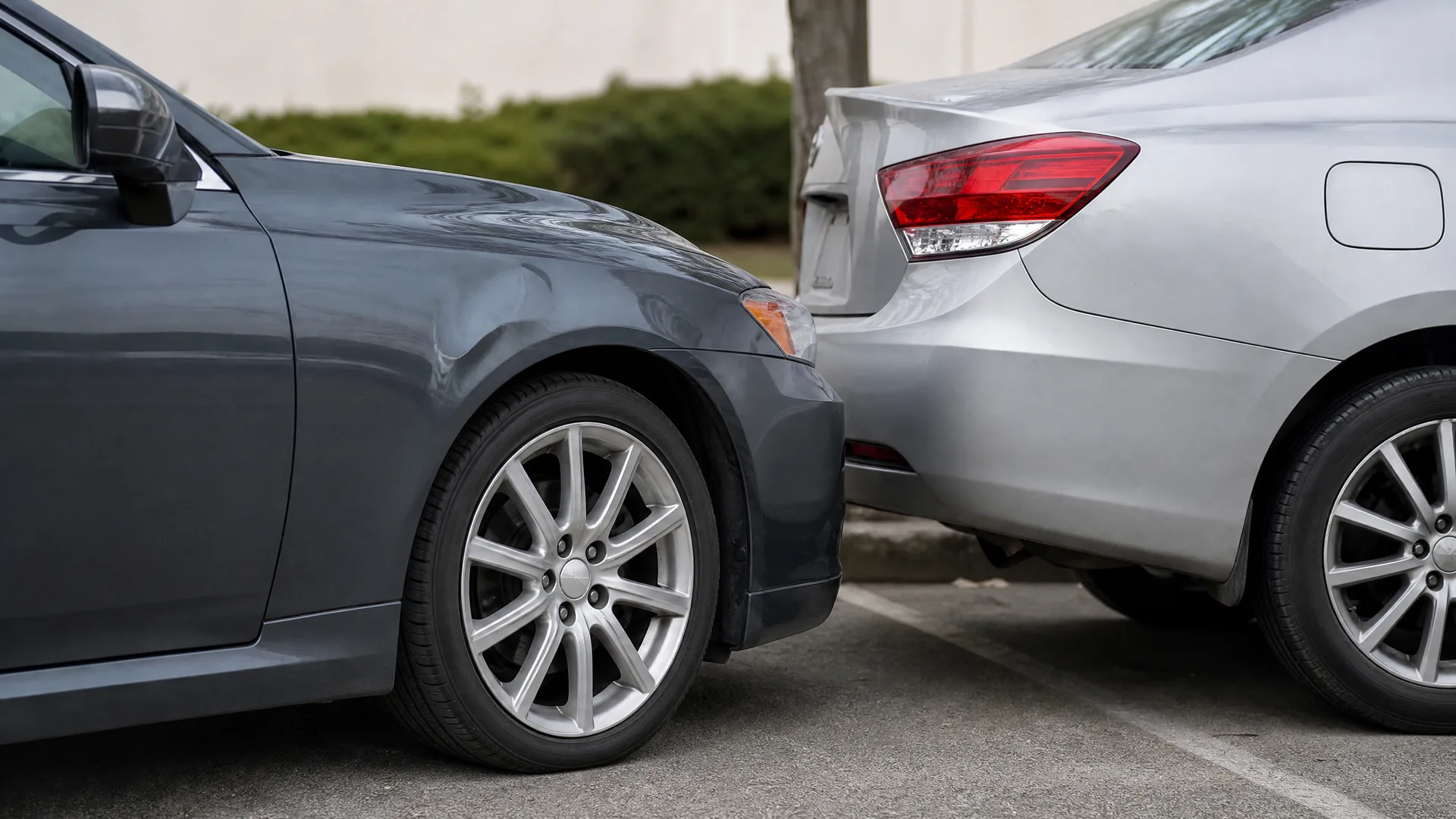
You're stopped at a light and another driver rear-ends you, then admits on the scene that they let their insurance lapse months ago.
This pays for your injuries, since the at-fault driver has no coverage to draw on.
A driver runs a stop sign on a rural road near dusk, clips your car, and keeps going before you can get a plate number.
This can pay as a hit and run claim, since the driver is effectively uninsured and unidentified.
Hail damages your parked car outside church on a Sunday morning while no one else is involved.
This doesn't pay, since no driver is at fault. Comprehensive coverage is what applies here.
Once you've decided how much uninsured motorist coverage makes sense for you, compare quotes with that figure already in mind.
Questions people ask about this
Do I need uninsured motorist coverage if I have health insurance?
Yes, because health insurance and this coverage pay for different things. Health insurance covers your medical treatment regardless of fault, but it doesn't cover lost wages, pain and suffering, or gaps your health plan leaves behind. This coverage can fill those gaps and sometimes reimburse your health insurer later.
What happens if the uninsured driver is never found?
Your claim can still move forward as a hit and run under this coverage, as long as you report the crash and document it properly. You'll typically need a police report filed close to the time of the crash. Check your policy for how it defines a qualifying hit and run.
Can my own insurance rates go up after an uninsured motorist claim?
It depends on your insurer and state, since some treat this type of claim differently from an at-fault claim. Because the crash wasn't your fault, many companies don't penalize you the same way. Ask your agent directly how this type of claim is handled on your policy.
Does uninsured motorist coverage follow me or the car?
It generally follows you as a named driver on the policy, which means it can apply even in a car you don't own, like a rental or a borrowed vehicle. The details depend on your policy's language. Read the section on who's covered to see exactly how it's written.
Is uninsured motorist coverage required by law?
It varies by state, and in some places it's required while in others it's optional or must be declined in writing if you don't want it. Check your own policy or declarations page to see how it's set up for you. An agent can confirm what your state requires.