Hit by an Uninsured Driver in Nebraska
Uninsured motorist coverage pays for your injuries and sometimes your car when the other driver has no insurance at all.
What this coverage pays for
Covers
- Your medical bills If the at-fault driver has no insurance, this picks up your treatment, the same way their liability coverage would have.
- Lost income from the crash If you can't work while you recover, this can replace wages you would have earned, up to your policy's limit.
- Pain and suffering It covers the harder-to-price parts of an injury claim, not just the medical bills themselves.
- A hit-and-run that leaves you hurt If the other driver takes off and is never identified, this coverage treats it like they were uninsured.
- Passengers riding with you Anyone in your car when it happens is generally covered under the same claim, not just the driver.
- Damage to your car, if you added that part Some policies split this into a bodily injury piece and a property damage piece, and only the second pays for the vehicle.
Doesn't cover
- Your own car repairs by default In a lot of states this coverage only pays for injuries unless you specifically added the property damage version.
- A driver who has some insurance but not enough That situation falls under underinsured motorist coverage, a close cousin that works a little differently.
- Damage from a pothole or a deer Those go through collision or comprehensive coverage, since there's no other driver at fault.
- Your deductible on a collision claim If you use collision coverage instead for your car, that deductible still applies regardless of who caused it.
- Anything beyond your own policy limit This coverage only pays up to the limit you chose, not whatever the full cost of the injury turns out to be.
For most drivers in their sixties, seventies or eighties, this is worth keeping
The core risk this coverage protects against has nothing to do with your own driving record or your own car. It protects against the other driver having no insurance, and that risk doesn't go down as you get older. If anything, a serious injury claim against someone with no coverage is exactly the kind of loss that's hard to absorb later in life, when recovery takes longer and income from work isn't there to fall back on.
How much you drive still matters. If the car mostly sits in the garage and only goes out for groceries and church, your exposure is lower than someone who commutes daily, but it's never zero. A single trip is enough for this to matter if the other driver happens to be uninsured.
What the car is worth factors in too, but only for the property damage version of this coverage, if your state offers it separately. An older car that's paid off and not worth much is a different calculation than a newer one you're still financing, where a bigger loss would actually hurt.
What tips it for most people this age is the medical side, not the car. A health plan may cover some of the treatment, but it won't cover lost income, pain and suffering, or gaps that come later. This coverage is usually inexpensive relative to what it protects, which is part of why so few people drop it even after decades of not thinking about it.
How a claim actually goes
You start by reporting the crash the same way you would any other, with a police report and details on the other driver. If they truly have no insurance, or they can't be identified in a hit-and-run, your own company steps in and handles the claim as if they were the insurer standing behind that driver.
A deductible may apply if you have the property damage version of this coverage, and it works the same way a collision deductible would, subtracted from whatever the repair or payout comes to. The bodily injury side usually doesn't have a deductible, since it's paying for medical costs and lost income rather than repairing a vehicle.
Have your medical records, income documentation if you missed work, and the police report ready, since those are what the claim gets built around. The payment is meant to cover what you actually lost, not a flat amount, so the more documented your losses are, the more accurately it gets settled.
What it won't cover is anything beyond your policy limit, so if the injury is serious and the limit is modest, you may still end up short. That's worth thinking about when you're choosing limits, separate from whether to carry the coverage at all.
Uninsured motorist coverage vs underinsured motorist coverage
Uninsured motorist coverage
This applies when the at-fault driver has no insurance whatsoever, or can't be found after a hit-and-run. Your own policy stands in for theirs entirely.
Underinsured motorist coverage
This applies when the at-fault driver does have insurance, but their limit isn't enough to cover what you actually lost. Your policy pays the difference, up to your own limit.
Most people carry both, since you rarely know ahead of time whether the other driver will have no insurance or just not enough.
Real situations
You're stopped at a light and a driver rear-ends you, then you find out they let their insurance lapse months ago.
This pays, since the driver is confirmed to have no insurance at the time of the crash.
A hailstorm damages your car while it's parked at church on a Sunday morning.
This doesn't pay, since there's no other driver involved, that's a comprehensive claim instead.
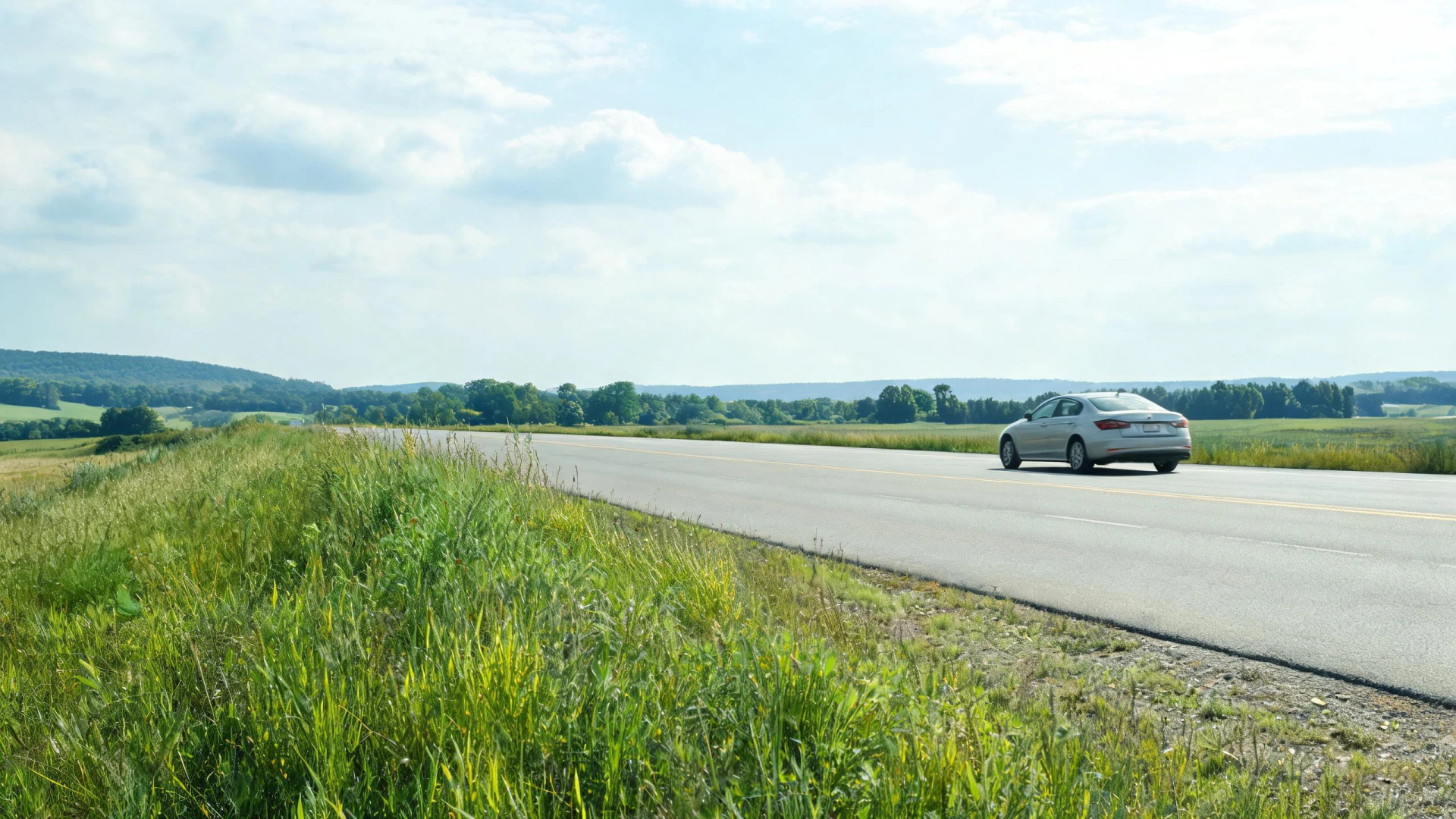
A driver sideswipes you on a county road at dusk and drives off before you get a license plate.
This pays for your injuries, since an unidentified hit-and-run driver is treated as uninsured.
Once you know whether you're keeping this coverage, adjusting it, or dropping it, you're ready to compare quotes with that decision already made.
Questions people ask about this
Do I still need uninsured motorist coverage if I rarely drive anymore?
Yes, most people in this situation keep it, since even occasional trips carry the same risk of meeting an uninsured driver. The cost is usually modest relative to what a serious injury claim would cost without it. If you've cut back to very short local trips only, it's worth checking your policy to see how the premium reflects that lower use.
What happens if the uninsured driver who hit me has no money either?
It doesn't matter whether they have money, since your claim goes through your own insurer rather than against the other driver directly. That's the entire point of carrying this coverage, so you're not depending on an uninsured person to pay you back. You still may need their information and a police report to confirm they were in fact uninsured.
Can my insurance rates go up after an uninsured motorist claim?
This varies by state and by insurer, since some treat these claims differently from an at-fault claim because you weren't responsible for the crash. It's worth asking directly when you're comparing quotes, since the answer affects how freely you'd use this coverage. Check your current policy or ask an agent how your specific company handles it.
Does uninsured motorist coverage cover my passengers or just me?
It generally covers your passengers too, as long as they were riding in your car at the time of the crash. Each passenger's medical costs and lost income would typically be handled as part of the same claim. Limits may apply per person, so check your declarations page for how that's structured.
Is uninsured motorist coverage required or just optional where I live?
This varies by state, since some require it and others simply offer it as an option you can add or decline. Check your own policy's declarations page to see whether you already have it and at what limit. If you're unsure, asking an agent directly is the fastest way to confirm what's required where you live.