Hit by an Uninsured Driver in Illinois
Uninsured motorist coverage pays for your injuries and, depending on how your policy is set up, your car damage when the other driver has no insurance at all.
What this coverage pays for
Covers
- Your medical bills If an uninsured driver hits you, this picks up treatment costs that their nonexistent insurance would have paid.
- Lost income If you can't work for a while because of the crash, this coverage can replace some of that income.
- Pain and suffering Unlike most car insurance, this can pay for the physical and emotional toll, not just bills and repairs.
- A hit and run driver If the other car never stops, it's treated the same as if that driver had no insurance, since you can't collect from someone you can't identify.
- Passengers in your car Anyone riding with you when an uninsured driver hits you is covered the same way you are.
- Car damage, if you added that option In Illinois this coverage can include your vehicle's damage, but only if you specifically carry that version of it.
Doesn't cover
- Damage from a tree or storm That's weather and falling objects, which comprehensive coverage handles, not this one.
- Your own at-fault accident If you caused the crash, your liability coverage and collision coverage are what respond, not this.
- An underinsured driver with low limits That situation is usually handled by a related coverage with a similar name, so check which version your policy has.
- Mechanical breakdown A blown engine or transmission has nothing to do with another driver, so it falls outside this coverage entirely.
- Damage to the other driver's car This coverage protects you, not them, and an uninsured driver's own vehicle isn't your responsibility anyway.
- Theft of your vehicle A stolen car is a comprehensive claim, since no driver was involved in causing you harm.
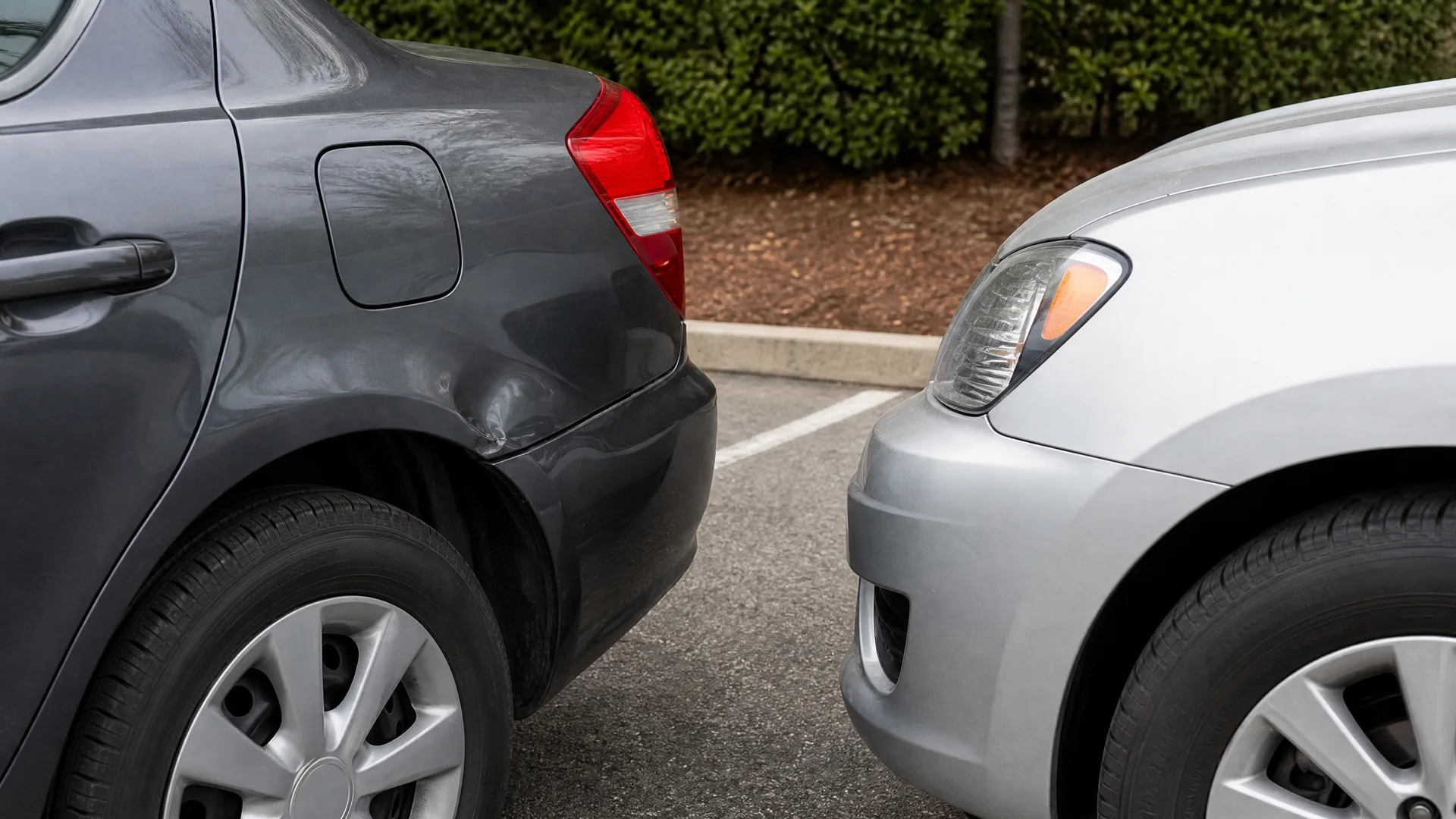
Worth keeping for almost anyone who drives in Illinois
This isn't one of the coverages people outgrow with age. The risk it protects against, getting hit by someone with no insurance, doesn't go down because you're careful or experienced. It depends entirely on who else is on the road, and that's out of your hands no matter how long you've been driving.
What matters more is what you drive and where you'd be if it happened. If your car is older and nearly paid off, you may already be comfortable handling body damage yourself, so the medical and injury part of this coverage matters more than the vehicle part. If you're still driving a newer car you'd hate to pay to fix out of pocket, keeping the vehicle damage option makes more sense.
Think about how much you could absorb from savings if you were seriously hurt and the other driver had nothing to offer. Medical costs and missed income add up fast, and at an age when recovery can take longer, that gap matters more, not less.
If you drive rarely and mostly on familiar, quiet roads, your exposure is lower, but it never reaches zero. Even a short trip to a doctor's appointment or a grandchild's game puts you on the same roads as everyone else, including the drivers who skipped their insurance.
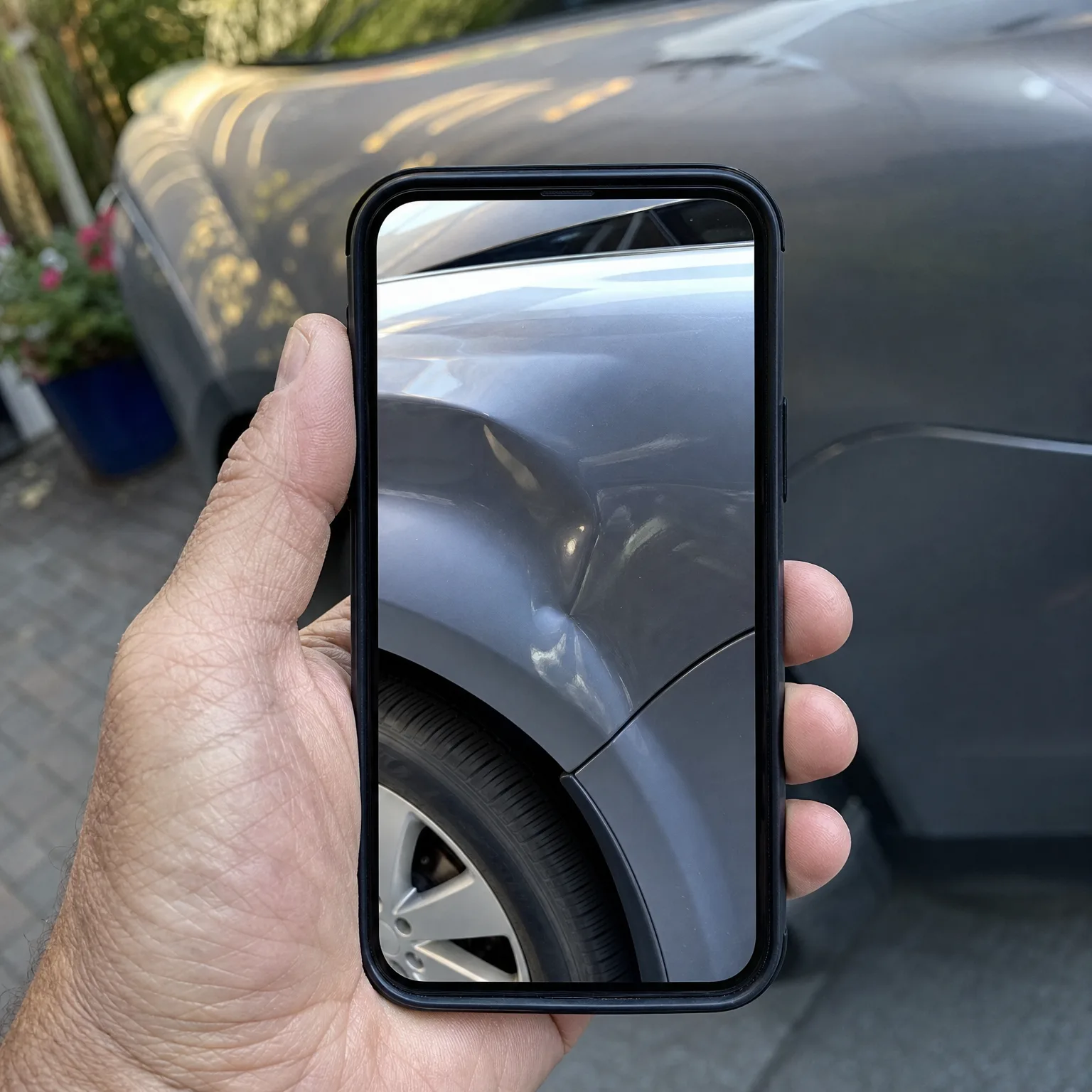
How a claim actually goes
You report the crash to your own insurer, even though you didn't cause it and the other driver is at fault. That can feel backwards the first time you do it, but it's how this coverage works, since there's no other insurer to call.
If you added the deductible option for vehicle damage, that amount comes off the repair payment the same way it would with collision coverage. The injury portion usually doesn't have a deductible, though your policy will say for certain.
Your insurer will want a police report, details on the other driver if you have any, and your medical records if you were hurt. If the other driver can be identified, your insurer may pursue them afterward to recover what it paid you, but that happens behind the scenes and doesn't change your payment.
Have your policy number, the other vehicle's description, and any witness information ready when you call. The clearer the picture you can give, the faster the claim moves.
Uninsured motorist vs. underinsured motorist coverage
Uninsured motorist coverage
This applies when the at-fault driver carries no insurance whatsoever, or flees the scene entirely. It steps in as if that driver's policy existed and simply pays what they can't.
Underinsured motorist coverage
This applies when the at-fault driver has insurance, but their limits are too low to cover what you're owed. It fills the gap between what their policy pays and what your losses actually are.
Most drivers carry both together, since you can't know in advance which situation you'll face, but it's worth checking your policy to see if you actually have both.
Real situations
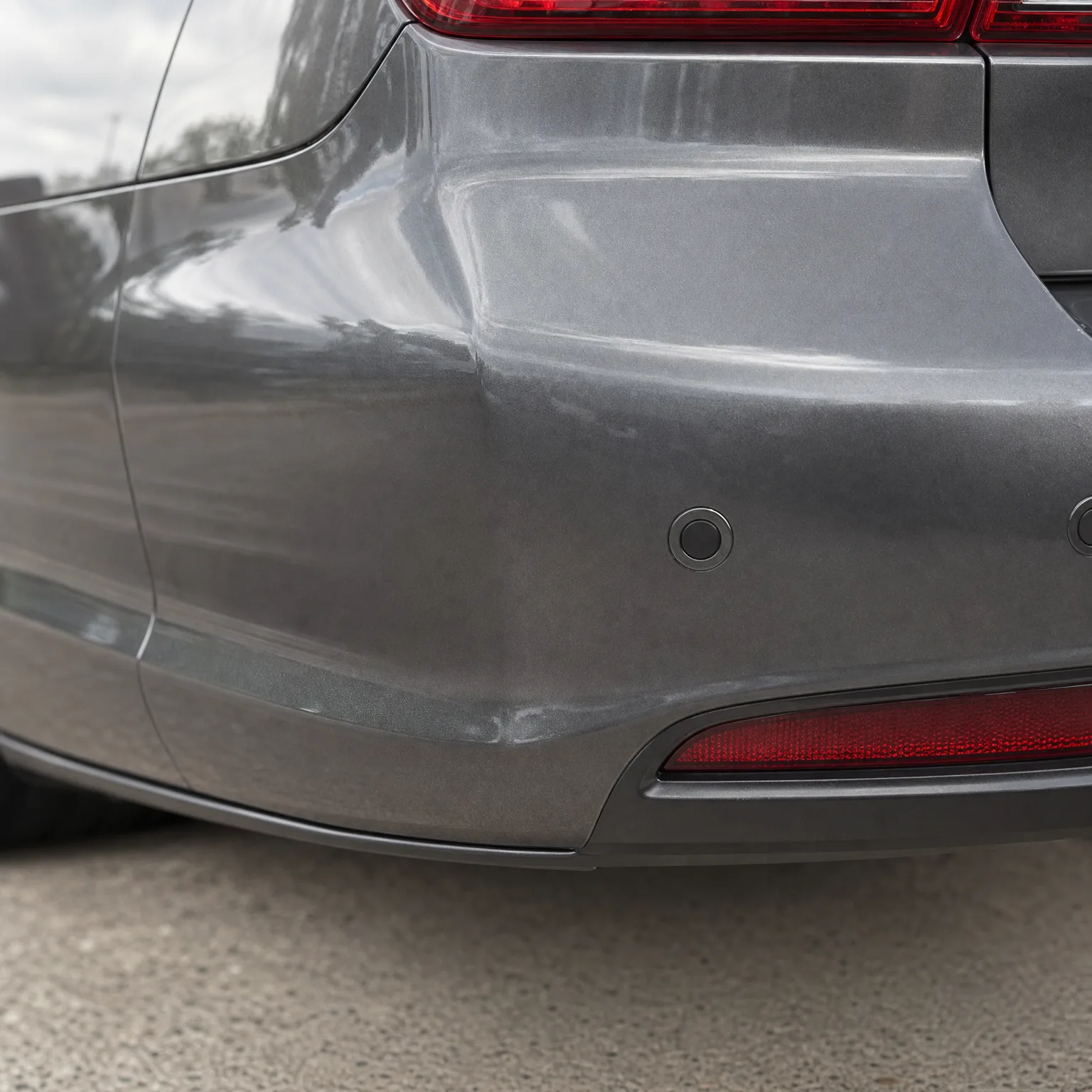
You're stopped at a light on a quiet road and a car without insurance rear-ends you, causing a sore neck and a cracked bumper.
This coverage pays for your injury and, if you added that option, your vehicle damage too.
A storm drops hail on your car while it's parked at church on a Sunday morning.
This coverage doesn't pay here, since no other driver was involved, that's a comprehensive claim.
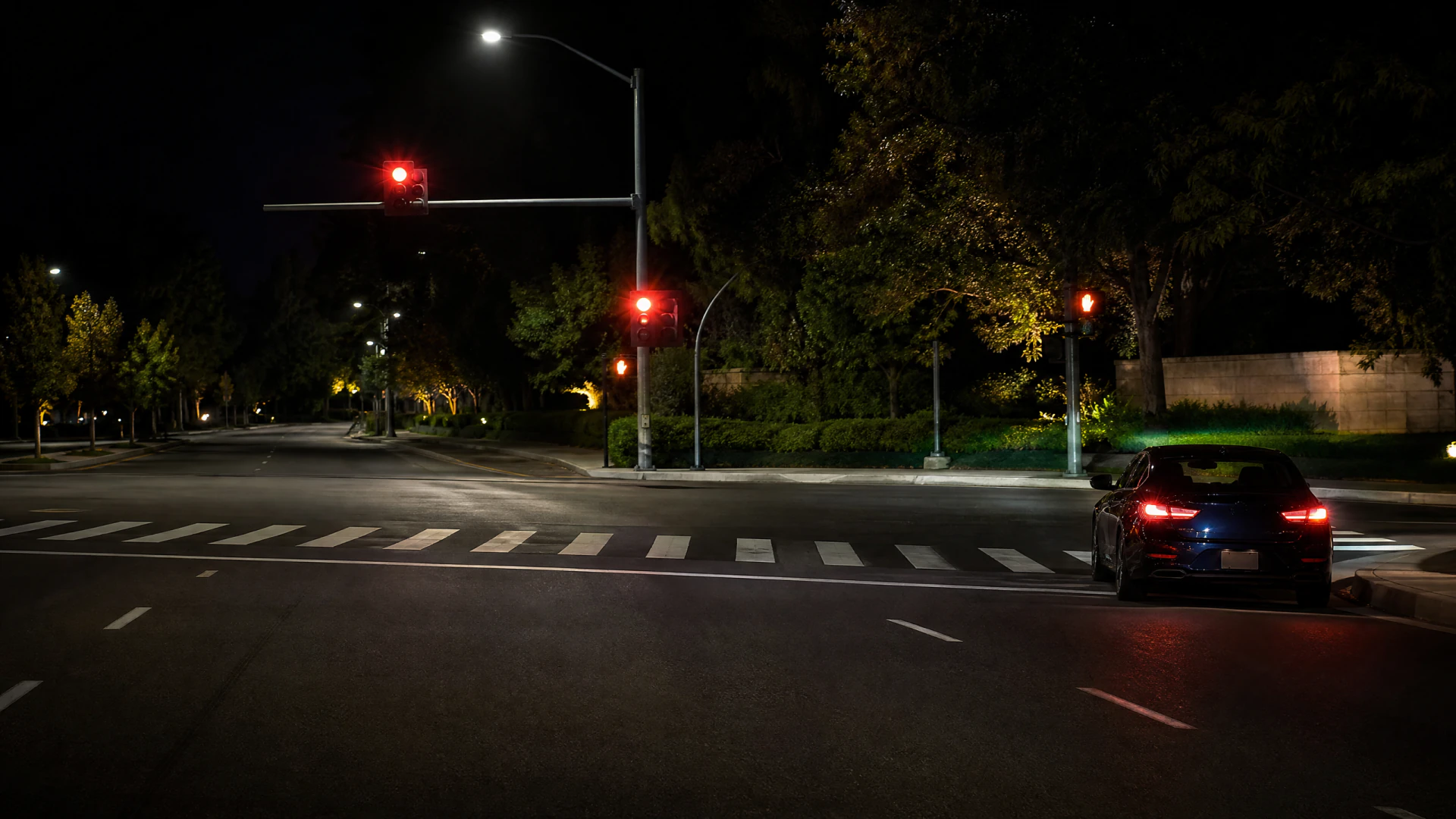
A driver runs a stop sign at dusk on a county road, hits you, and takes off before you get a plate number.
This coverage pays, since a driver who flees is treated the same as one with no insurance at all.
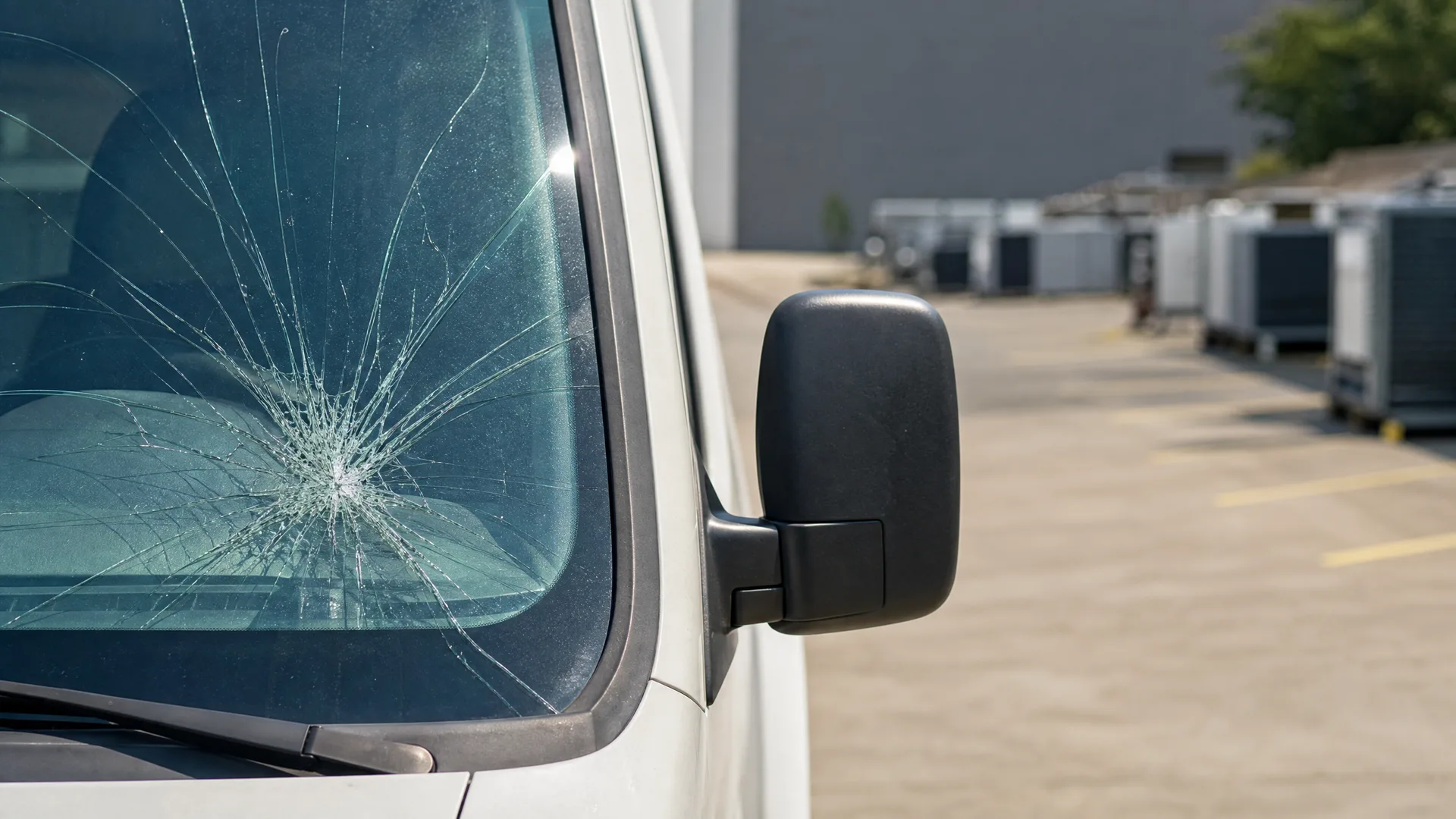
Once you know whether you want this coverage to include your vehicle or just your injuries, you can compare quotes with that decision already settled.
Questions people ask about this
Does uninsured motorist coverage cover my passengers?
Yes, anyone riding in your car is covered the same way you are. Each passenger's medical costs and lost income would be handled under your policy if the at-fault driver has no insurance. Check your policy for any limit on how many people can be covered in a single crash.
What happens if the uninsured driver is found later?
Your insurer may try to recover what it paid you from that driver directly. This doesn't usually affect your payment or your premium, since the claim is already settled by the time that happens. It's handled between your insurer and the other driver, not something you need to manage.
Do I need a police report to file this claim?
Yes, nearly every insurer requires one for an uninsured motorist claim. It's the main evidence that the crash happened and that another driver was involved. Call the police at the scene whenever possible, even for a minor collision.
Can my own insurance rate go up after this kind of claim?
It depends on your insurer, since you didn't cause the crash. Many companies treat this differently from an at-fault claim, but it isn't guaranteed everywhere. Ask your agent directly how your policy handles it.
Is uninsured motorist coverage required in Illinois?
Whether it's required or offered automatically varies by state, so check your own policy or declarations page to see how it's set up. Some states require insurers to offer it and let you decline in writing, while others handle it differently. Your policy documents will show exactly what you're carrying.