Hit by an Uninsured Driver in Alabama
Uninsured motorist coverage pays for your injuries and, depending on your policy, your car damage when the driver who hit you has no insurance at all.
What this coverage pays for
Covers
- Your medical bills It covers treatment for injuries you suffered in the crash when the at-fault driver has no insurance to pay for them.
- Lost income If your injuries keep you from working, this can replace wages you missed because of the crash.
- Pain and suffering Unlike basic medical payments coverage, this can compensate you for the injury itself, not just the bills.
- Hit-and-run crashes If the driver who hit you takes off and is never identified, this coverage treats the loss the same as if they had no insurance.
- A pedestrian or passenger claim If you're walking or riding as a passenger and an uninsured driver hits you, your own policy can still respond.
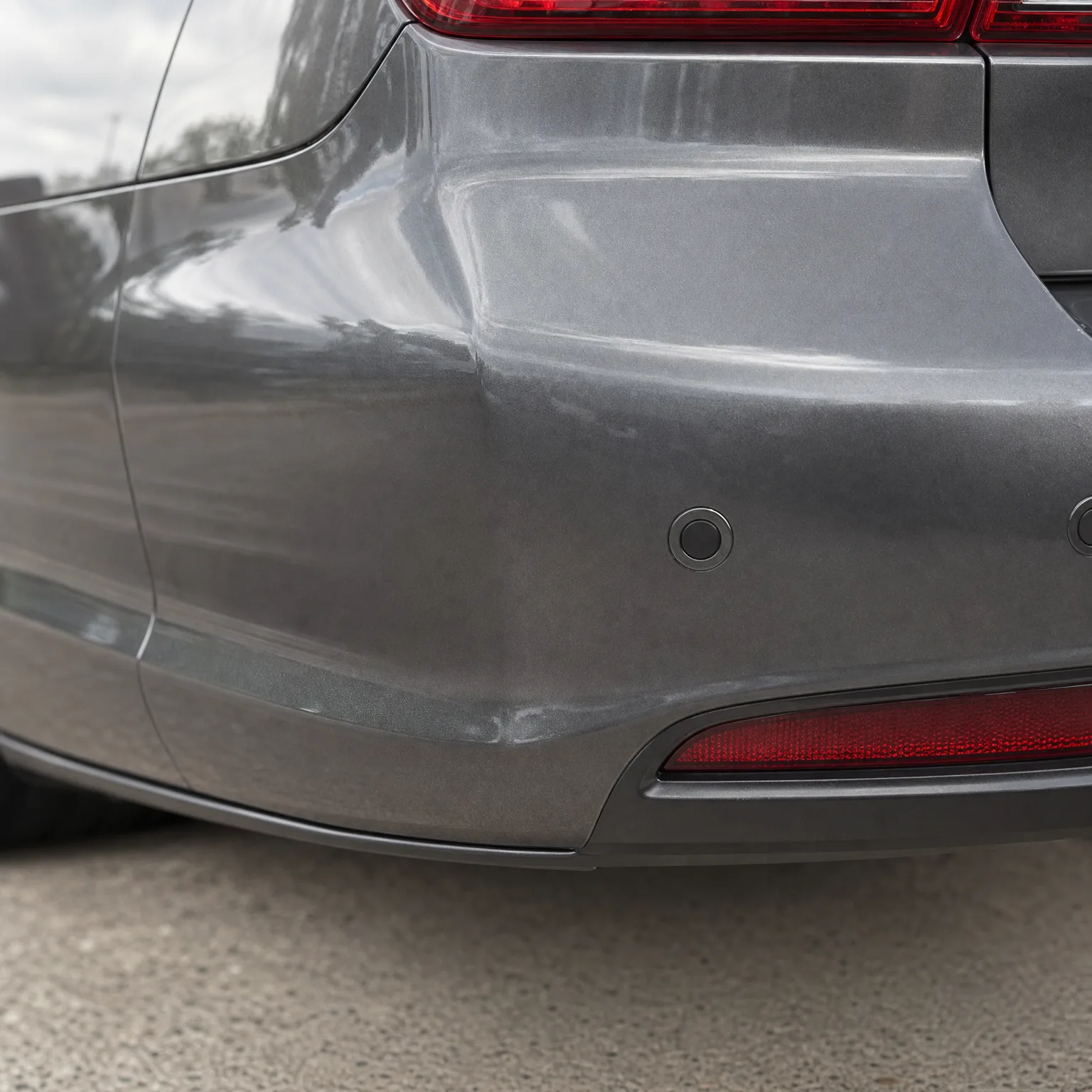
- Car damage, if you added it Some policies include a separate property damage portion that pays to repair your car when the other driver has no insurance.
Doesn't cover
- Damage from an insured driver If the other driver carries their own insurance, their liability coverage handles the claim instead.
- Your car damage, by default In many policies the uninsured motorist portion only covers injuries, and the car damage falls to your collision coverage if you have it.
- Your own driving mistakes This coverage only applies when someone else is at fault and lacks insurance, not when you cause the crash yourself.
- Damage to things other than your car A fence, mailbox, or garage damaged by an uninsured driver is usually handled under other parts of a policy, not this one.
- Mechanical breakdowns This has nothing to do with wear and tear or parts failing, only with being hit by someone without insurance.
For most drivers in their sixties and beyond, this is worth keeping
This coverage protects you from someone else's bad decision, not your own, which is part of why it tends to be inexpensive for what it does. You can drive carefully for fifty years and still get hit by someone with no insurance at a four-way stop.
What matters most is what you'd be able to absorb without it. If you're on a fixed income and don't have much set aside for a sudden medical bill or a totaled car, this coverage fills a gap that would otherwise land squarely on you. Medical costs from even a moderate crash can add up fast, and an uninsured driver has nothing you can collect from.
How much you drive and where the car spends its time also plays a role. If you're still on the road regularly, running errands, visiting grandchildren, driving to appointments, the odds of encountering an uninsured driver stay real. If the car mostly sits in the garage and gets driven rarely, the exposure is lower, though it never disappears entirely since a crash can happen on any single trip.
The one case where it's worth a harder look is if your car is older, already paid off, and worth very little. The injury portion of this coverage still matters no matter what your car is worth, but if you only added the property damage portion to protect the car itself, that part may be less important now than it was when the car was new.
What happens when you use it
If you're hit by a driver with no insurance, you file the claim with your own insurer rather than going after the other driver directly, since there's no insurance on their end to collect from. Your policy may have a deductible that applies to the property damage portion, which gets subtracted from the payout, while the injury portion typically doesn't work the same way.
The claims process usually involves documenting the crash, getting a police report, and in some cases having your insurer confirm that the other driver was in fact uninsured. This can take some back and forth, since your own company is the one paying and will want to verify the facts before settling.
The payment is meant to cover medical treatment, lost income, and in some cases pain and suffering, up to the limits you chose when you bought the policy. It won't cover costs that go beyond those limits, so if your injuries are serious, it helps to know ahead of time what limits you're carrying.
Have your police report, medical records, and any bills ready when you file, along with a clear account of what happened. The more documented the crash is, the smoother the claim tends to go.
Uninsured motorist coverage vs. collision coverage
Uninsured motorist coverage
This responds specifically when the driver at fault has no insurance, covering your injuries and sometimes your car. It exists to stand in for the other driver's missing liability coverage.
Collision coverage
This pays to repair or replace your car after a crash no matter who caused it, including if you were at fault yourself. It doesn't care whether the other driver had insurance or not.
If you want your car repaired regardless of who's to blame, lean on collision; if you want protection specifically from drivers who carry no insurance, that's what this coverage is for.
Real situations
You're stopped at a red light downtown and a driver rear-ends you, then tells the officer on scene that his insurance lapsed last month.
This pays, since the at-fault driver has no valid insurance to cover your injuries or car.
A hailstorm moves through while your car is parked at church on a Sunday morning and dents the hood and roof.
This doesn't pay, since no other driver is involved; that kind of damage falls under comprehensive coverage instead.
A driver runs a stop sign on a county road at dusk, clips your car, and speeds off before you can get a plate number.
This pays, since an unidentified hit-and-run driver is treated the same as an uninsured one.
Once you know whether you want this coverage, and at what limits, you're ready to compare quotes that actually match what you need.
Questions people ask about this
How do I find out if a driver who hit me actually has insurance?
You can ask the responding officer for the crash report, which usually lists the other driver's insurance information if any was provided at the scene. Sometimes a driver claims coverage they don't actually have, so your insurer will verify it directly with the other company. If there's no insurance on file at all, your own uninsured motorist coverage takes over from there.
What if the uninsured driver has no money to pay me directly?
That's exactly the situation this coverage is built for, since suing someone with no assets rarely results in actual payment. Your own insurer pays you directly instead of you having to collect from the other driver. This is why the coverage exists as part of your policy rather than relying on the other person's ability to pay.
Can I be sued by the uninsured driver after a crash?
It's possible, though uncommon, since the other driver could still claim you were partly at fault even without insurance of their own. If that happens, your liability coverage would respond to defend you, not your uninsured motorist coverage. Keeping both parts of your policy in good shape protects you from both directions of a crash like this.
What limits should I choose for this coverage?
There's no single right number, but many people choose limits that match their liability coverage so they're protected at least as well as they protect others. It helps to think about what a serious injury would actually cost to treat over time. Since this varies by state and by policy, it's worth checking what your current limits are set to and asking your insurer directly.
Does this coverage follow me if I'm driving someone else's car?
Often yes, since uninsured motorist coverage can extend to you as a driver and not just to a specific vehicle, but this depends on the policy. If you regularly drive a car that isn't yours, it's worth confirming with your insurer whether your coverage travels with you. The details can vary, so checking your own policy is the only way to know for certain.