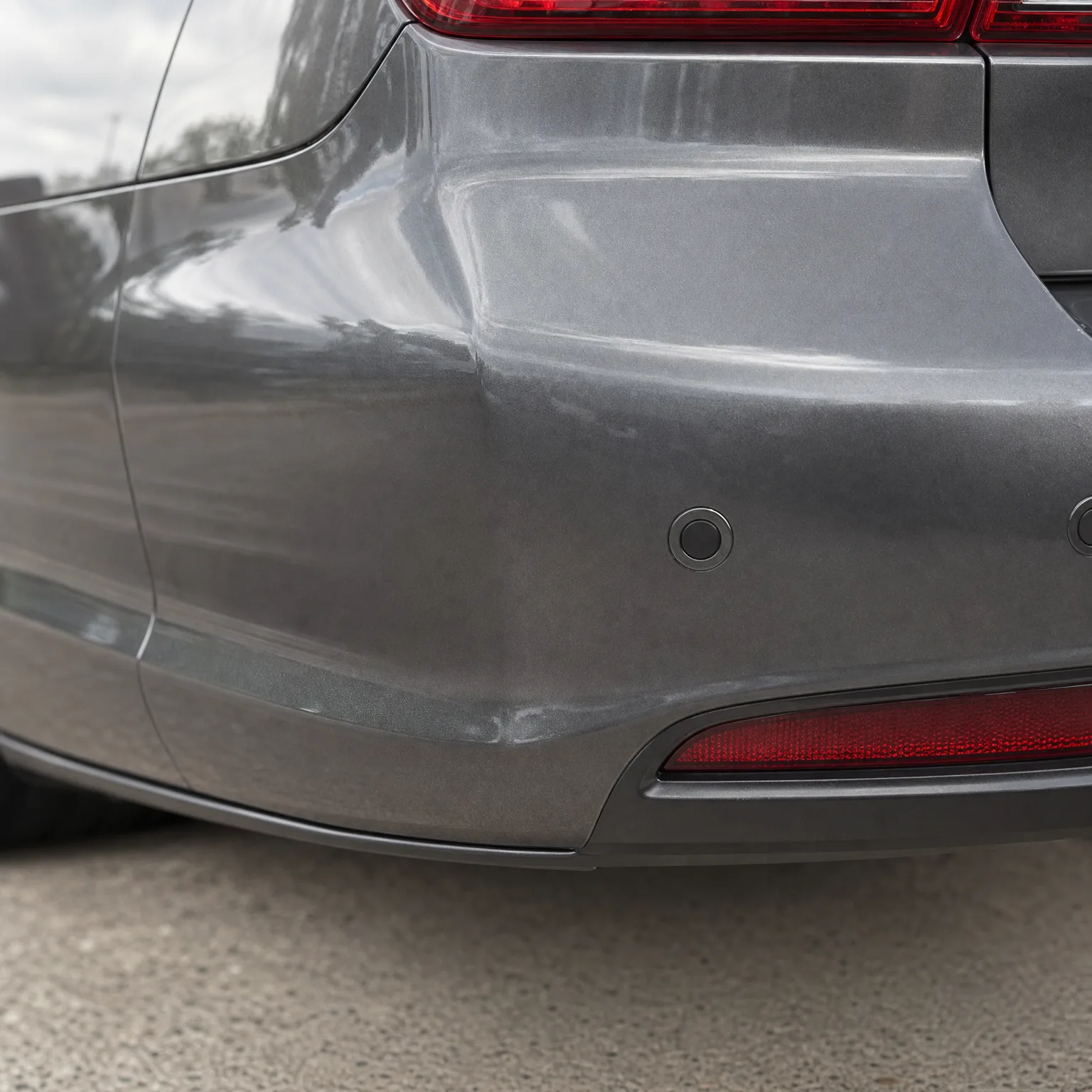
Can I Have Uninsured Motorist Coverage Without Full Coverage
In most states you can add uninsured motorist coverage to a liability-only policy, since it protects you, not your car.
Yes, in most states you can buy it on its own
Uninsured motorist coverage pays for your injuries, and in some states your car's damage, when the other driver has no insurance or not enough of it. Full coverage means you've added collision and comprehensive on top of liability, usually because a lender requires it. Those are separate decisions, so you don't need full coverage to qualify for uninsured motorist coverage.
What decides it is your state. Some states require insurers to offer uninsured motorist coverage to every driver who buys liability insurance, and a few require you to carry it unless you sign a waiver. Ask your insurer whether it's available on a liability-only policy and whether your state requires you to be offered it.
Your state sets the rule, and it varies
Some states make uninsured motorist coverage mandatory alongside liability insurance. Others make insurers offer it but let you decline it in writing. A few leave it fully optional with no offer requirement at all.
This matters because if your state requires it, you can't drop full coverage and lose uninsured motorist coverage at the same time without a separate decision to waive it. If your state just requires insurers to offer it, you'll likely see it listed as a line item you can accept or decline when you buy liability-only insurance.
Check your state's department of insurance website or ask your agent directly which category your state falls into. The answer changes what paperwork you'll see and whether declining it takes an extra signature.
Bodily injury and property damage are usually separate choices
Uninsured motorist coverage often splits into two parts, one for injuries to you and your passengers, and one for damage to your car. Some states only require or offer the injury portion. The property damage portion, where it exists, usually only pays out if the uninsured driver is identified, since otherwise there's no one to prove was at fault.
If you're dropping full coverage because your car is older or paid off, uninsured motorist property damage coverage might still be worth keeping, since it's a different kind of protection than collision coverage. Ask your insurer to show you the two parts separately rather than as one bundled line.
Also ask how the coverage interacts with underinsured motorist coverage, which is a related but separate addition that pays when the other driver has insurance that isn't enough to cover your costs.
Questions people ask about this
Does uninsured motorist coverage cover my car or just me?
It depends on which part you buy. The bodily injury portion covers medical costs for you and your passengers. The property damage portion, where your state offers it, covers damage to your car, but usually only when the uninsured driver can be identified.
Can I drop uninsured motorist coverage to lower my premium?
In some states you can decline it in writing, but in states where it's mandatory you can't drop it entirely. Ask your insurer what signing a waiver involves and whether it's reversible later.
Will dropping full coverage affect my uninsured motorist rates?
The two coverages are usually priced separately, so dropping collision and comprehensive coverage shouldn't change what uninsured motorist coverage costs. Ask your insurer for a breakdown so you can see each line rather than one combined premium.
Do I still need uninsured motorist coverage if I have health insurance?
Health insurance can cover your own medical bills, but it won't cover lost wages, pain and suffering, or a passenger's injuries the way uninsured motorist coverage can. Ask your agent how the two would work together after an accident.
What happens if an uninsured driver hits my parked car?
Whether that's covered depends on whether you have the property damage portion of uninsured motorist coverage and whether your state allows claims when the other driver can't be identified. Ask your insurer how a hit-and-run to a parked car would be handled under your policy.
If you're deciding what to keep and what to drop, it helps to see these coverages priced side by side.
Pull up your current policy and find the line for uninsured motorist coverage, separate from liability and from collision or comprehensive. Call your agent or insurer and ask directly whether this coverage is mandatory in your state or something you can decline, and whether declining requires a signed waiver. If you're comparing new quotes, ask each insurer to break out the price for uninsured motorist bodily injury and property damage separately from the rest of the policy. Have your current declarations page in hand so you can compare the same coverage limits across quotes. If your state requires an offer or a waiver, ask to see that paperwork before you make a final decision.