Can I Drop Uninsured Motorist Coverage
In some states you can decline it in writing, in others it's required by law no matter your age or driving record.
It depends on where you live
Whether you can drop uninsured motorist coverage comes down to your state. A number of states require it as part of every auto policy, and your insurer can't remove it even if you ask. Other states make it optional and let you decline it, usually by signing a waiver that says you understand what you're giving up.
Your age doesn't factor into this rule either way. What matters is the state you're insured in and, in a few cases, whether you're also carrying collision or comprehensive coverage, since some insurers tie the two together. Call your insurer or check your state's department of insurance site to find out which rule applies to you.

What your state requires
Start by finding out if your state mandates uninsured motorist coverage. Some states require it outright. Others require insurers to offer it but let you refuse it in writing. A few leave it entirely up to you and your insurer.
If your state requires it, there's no form or request that removes it. Your agent can confirm this in a few minutes, and it's worth asking directly rather than assuming based on what a friend in another state told you.
If your state allows you to decline it, you'll likely need to sign something specific. Insurers don't drop this coverage on a verbal request, because it protects you if you're hit by a driver who has no insurance or not enough of it. They want a written record that you understood the tradeoff.
What people get wrong about it
The most common mistake is assuming that if you carry full coverage, uninsured motorist protection comes with it automatically and can't be touched. That's not how it works. It's a separate coverage with its own rules, and whether you can drop it has nothing to do with whether you also carry collision or comprehensive.
Another mistake is confusing uninsured motorist coverage with liability coverage. Liability covers damage you cause to someone else. Uninsured motorist coverage protects you when the other driver is at fault but can't pay. States that let you decline one don't necessarily let you decline the other.
People also assume a clean driving record or years of experience gives them more flexibility to drop this coverage. It doesn't. The rule is set by the state, not by your history behind the wheel.
Questions people ask about this
What happens if I get hit by an uninsured driver without this coverage?
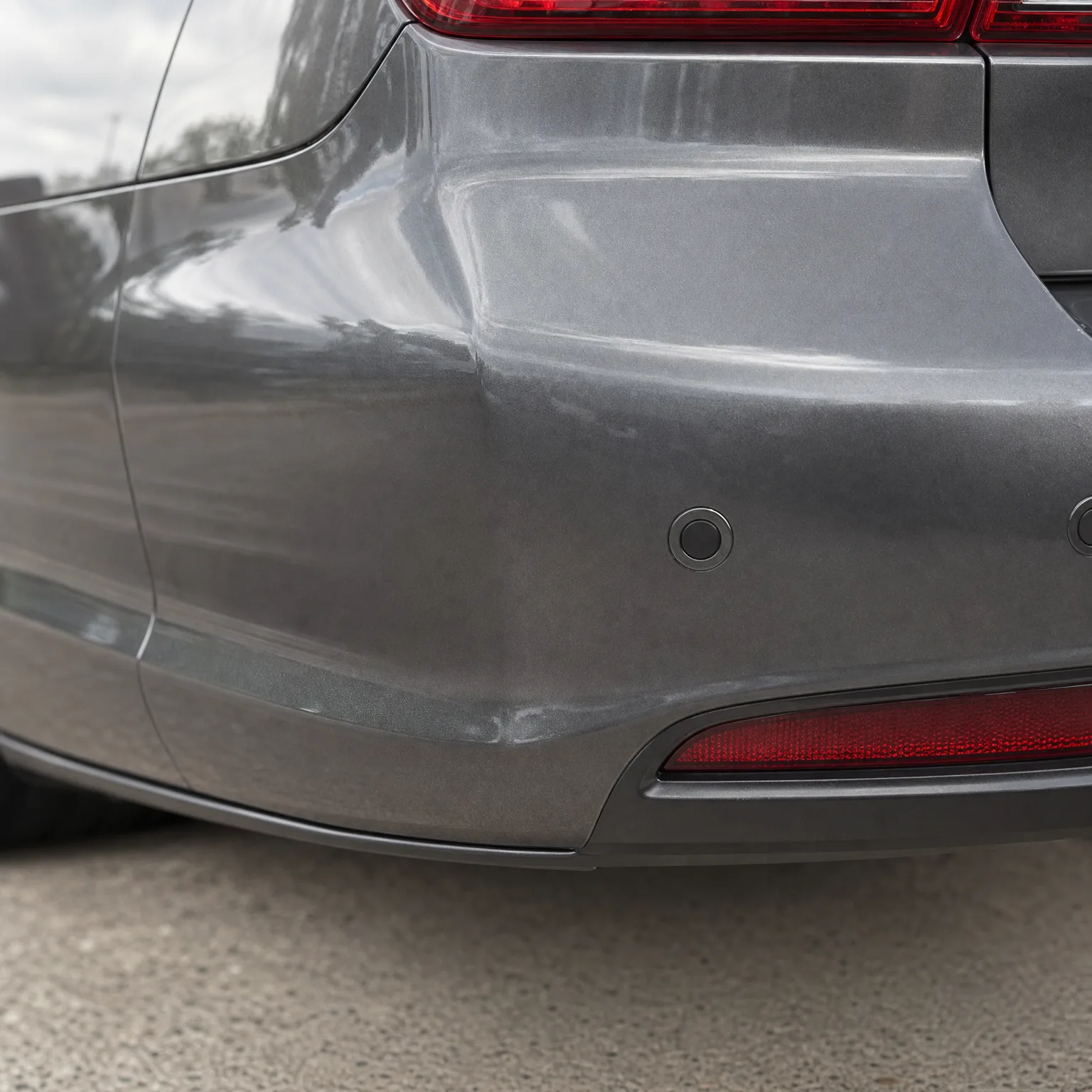
You would need to cover your own medical bills and vehicle repairs through health insurance, savings, or by suing the other driver directly. Suing often doesn't recover much if the driver has no insurance and no assets. This is the risk you're weighing when you consider dropping the coverage.
Does uninsured motorist coverage cover hit and run accidents?
In most states, yes, a hit and run is treated the same as being hit by an unidentified uninsured driver. Check your policy wording or ask your insurer to confirm how your state and your policy define it, since the details can vary.
Is underinsured motorist coverage the same as uninsured motorist coverage?
They're related but not identical. Uninsured motorist coverage applies when the other driver has no insurance at all. Underinsured motorist coverage applies when they have insurance but not enough to cover your costs. Some states bundle these into one coverage, others sell them separately.
Can I lower my premium by dropping uninsured motorist coverage?
If your state allows you to decline it, removing it will likely lower your premium somewhat, since you're carrying less coverage. Ask your insurer for a quote with and without it so you can see the actual difference for your policy.
Do I need uninsured motorist coverage if I have health insurance?
Health insurance can cover your medical bills but won't cover lost wages, pain and suffering, or damage to your car the way uninsured motorist coverage can. Whether that gap matters to you depends on what your health plan covers and what you're comfortable risking.
If you're weighing this tradeoff, it helps to see what dropping or keeping this coverage actually does to your premium.
Call your insurer or check your state department of insurance website to find out whether uninsured motorist coverage is required where you live. If it's optional, ask your agent what a waiver involves and get a quote showing the price difference with and without it. Have your current policy in hand so you can see exactly how the coverage is structured today. If you're helping a parent with this decision, ask the same questions on their behalf, since the answer depends on their state, not yours.