What Is the Best Protection Against Uninsured Drivers
The real protection against an uninsured driver is coverage you buy for yourself, since you can't control what the other driver has.
Uninsured motorist coverage on your own policy
If another driver hits you and has no insurance, the only coverage that reliably pays is the uninsured motorist coverage on your own policy. It pays for your injuries, and in many states your vehicle damage, as if the other driver had insurance that didn't exist. Liability insurance, even a large amount of it, only pays when the other driver is the one who carries it. You can't make another driver buy insurance or buy more of it.
For a driver your age, this matters because recovery from an injury often takes longer and costs more to treat, and because an older driver is less likely to want to carry the financial risk of an uninsured crash alone. Some states require uninsured motorist coverage, others let you decline it in writing. Check your policy or ask your insurer what you currently have before assuming it's included.
Your state decides how much this covers and whether you can get it
Whether uninsured motorist coverage pays for your car, your medical bills, or both depends on your state. Some states only offer it for bodily injury and leave vehicle damage to your collision coverage instead. Others bundle underinsured motorist coverage in with it automatically, which matters if the other driver has some insurance but not enough to cover what happened.
A few states let you decline uninsured motorist coverage entirely, usually by signing a waiver. If you or a parent signed one years ago without remembering it, it's worth asking the insurer to check, since that waiver carries forward at renewal unless you ask to add the coverage back.
The amount of uninsured motorist coverage you can buy is also tied to your liability limits in most states. You generally can't buy more uninsured motorist coverage than the liability coverage you carry, so raising your liability limits can be a way to raise this protection too.
Ask your insurer directly what your state requires, what you currently carry, and what the maximum available limit is. This is not something to guess at from a neighboring state's rules.
What people get wrong about relying on the other driver
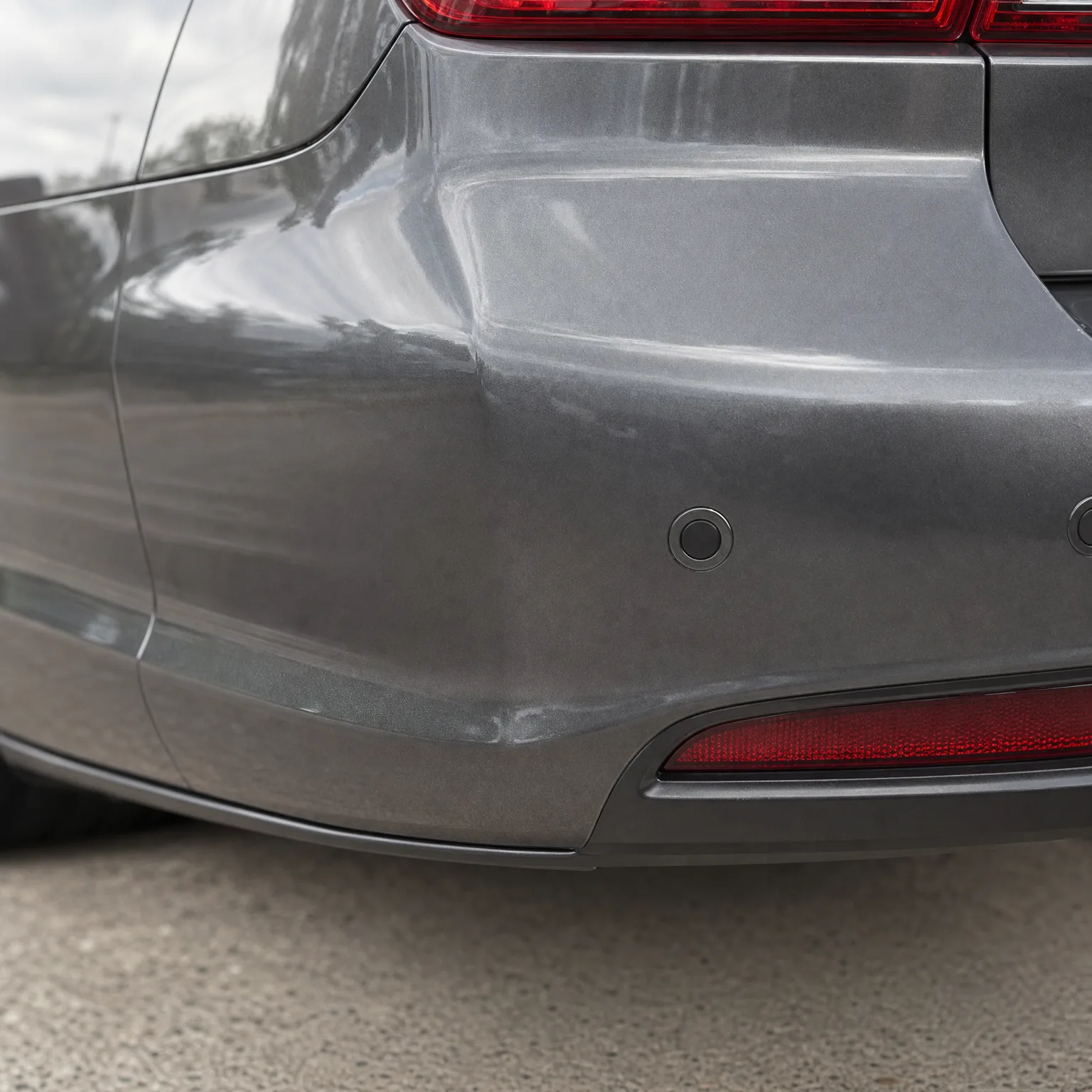
Many drivers assume that if someone hits them, that driver's insurance will pay. That's true when the other driver is insured and at fault. It falls apart the moment the other driver has no policy, or has let one lapse, which happens more often than most people expect.
It also falls apart in hit and run cases, where there's no driver to identify at all. Uninsured motorist coverage is often the only thing that pays in a hit and run, since there's no insurer on the other side to file a claim against.
Some drivers think health insurance will cover the medical costs if there's no auto claim to pay. Health insurance can help, but it doesn't cover vehicle damage, lost income, or everything an auto injury claim would, and it may come with its own deductibles and limits on treatment.
The mistake isn't carrying too little liability coverage. It's assuming the other driver's coverage is something you can count on at all.
Questions people ask about this
Does uninsured motorist coverage cover a hit and run?
In most states, yes, because a hit and run driver is treated the same as an uninsured driver once they can't be identified. You'll usually need to report the crash to the police soon after it happens for the claim to be valid. Check with your insurer about their specific reporting window, since this is set by your policy and sometimes by state law.
Is underinsured motorist coverage different from uninsured motorist coverage?
Yes, underinsured motorist coverage applies when the other driver has insurance but not enough to cover your damages, while uninsured motorist coverage applies when they have none at all. Many policies combine both into a single coverage option. Ask your insurer whether your policy separates the two or bundles them together.
Can my insurer raise my rate if I use uninsured motorist coverage?
This depends on your insurer and your state, since some states limit or prohibit rate increases for claims that weren't your fault. Being hit by an uninsured driver is not something you caused, so ask your insurer directly how a claim like this is treated before assuming it will affect your premium.
Do I need uninsured motorist coverage if I have full coverage already?
Full coverage usually refers to liability, collision, and comprehensive, which is a different set of protections than uninsured motorist coverage. Collision coverage can pay for your car regardless of fault, but it won't cover injuries the way uninsured motorist bodily injury coverage does. Ask your insurer to walk through what's included under your current policy by name.
How do I find out if my state requires uninsured motorist coverage?
Your state's department of insurance publishes the minimum coverage requirements for every driver, including whether uninsured motorist coverage is mandatory or optional. Your insurer can also tell you what your state requires and what you currently carry. This varies enough by state that it's worth confirming directly rather than assuming your state matches a neighboring one.
If you want to know whether your coverage would actually protect you against an uninsured driver, compare how different policies handle it.
Pull out your current policy or call your insurer this week and ask two things: what your uninsured motorist limits are, and whether your state allows you to raise them. If you're not sure whether you have this coverage at all, ask directly, since some older policies were written before it was common and may have been declined by a waiver you don't remember signing. Bring your current liability limits with you, since in most states they set the ceiling on how much uninsured motorist coverage you can buy. If your coverage turns out to be low or missing, ask what it would cost to raise it before your next renewal rather than after a crash. This is also a good time to ask whether your policy treats uninsured motorist bodily injury and property damage as separate coverages, since some states split them.