What If the Driver Who Hit Me Has Too Little Insurance
Your own policy, not theirs, is usually what pays the rest.
Your underinsured motorist coverage is what pays the difference
If the driver who hit you doesn't carry enough insurance to cover your medical bills, lost wages or vehicle damage, their policy pays out what it has and stops there. What happens after that depends on whether you carry underinsured motorist coverage on your own policy.
Where you have it, your insurer pays the gap between what the other driver's policy covered and what your claim is actually worth, up to your own policy's limit. Where you don't have it, you're left to cover the rest yourself or pursue the other driver directly, which is often difficult if they didn't have much insurance to begin with.

Whether you bought underinsured motorist coverage changes everything
This coverage isn't automatic everywhere. In some states insurers have to offer it and you have to decline it in writing if you don't want it. In other states it's optional and plenty of drivers don't have it, often without realizing that until they need it.
Check your own policy or call your insurer before you assume you're covered. Ask specifically about underinsured motorist coverage, since it's a separate line from uninsured motorist coverage and from your liability coverage, and the limits on each can be different.
If you don't have it, this is the moment that makes the case for adding it going forward. You can't add it retroactively for a crash that already happened, but you can make sure the next one doesn't leave you in the same position.
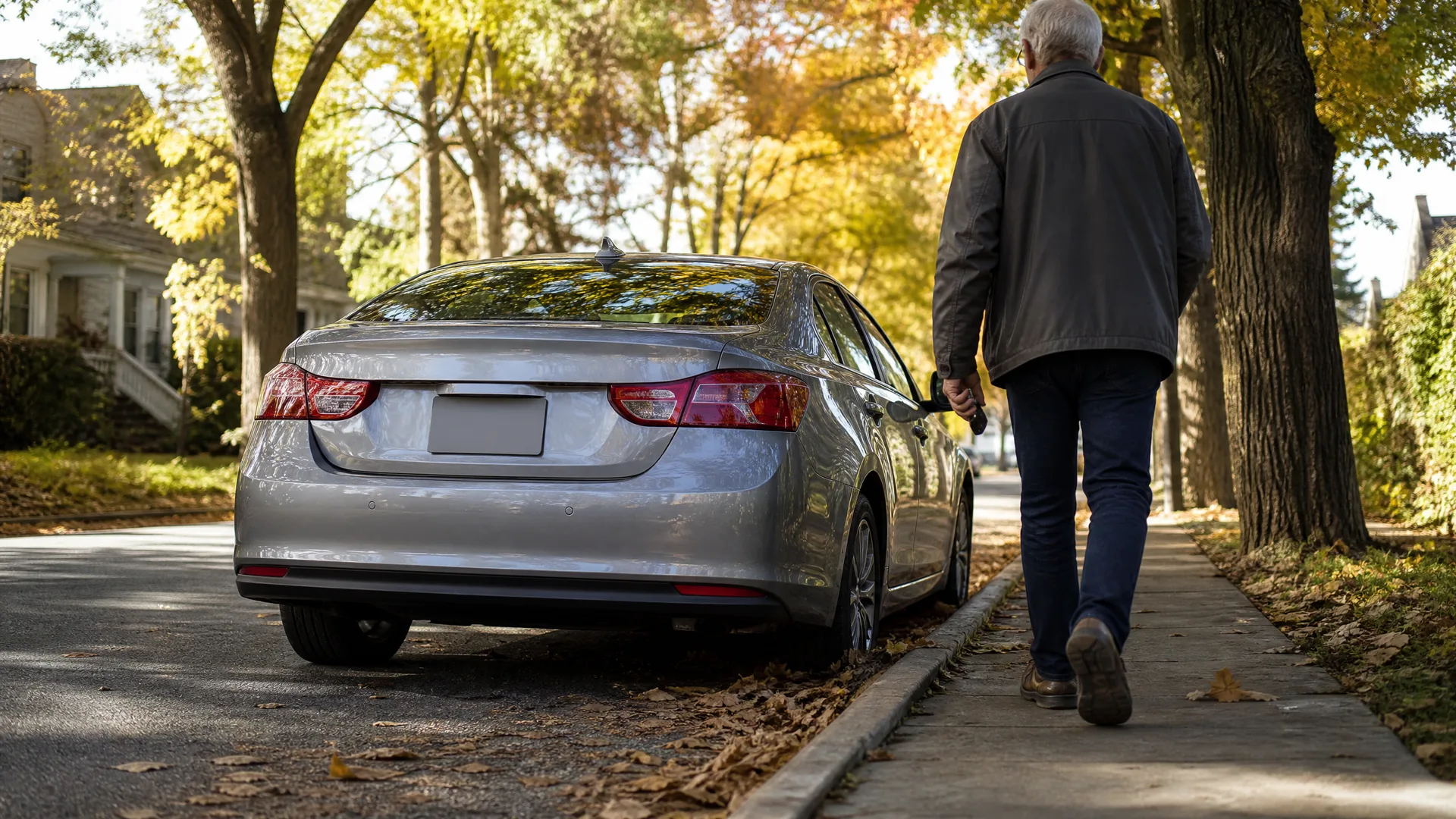
How much you can recover depends on your own limit, not just theirs
Even with underinsured motorist coverage, your insurer only pays up to the limit you chose when you bought the policy. If your limit is low, you can still end up short on a serious claim, even though you did everything right.
The math insurers use typically works like this: your underinsured motorist limit, minus what the at-fault driver's insurer already paid, is the most your own insurer will add. If your limit is close to theirs, there may be little or nothing left to collect.
This is worth checking now, not after a crash. Ask your insurer what your current limit is and whether raising it is possible, since a higher limit only protects you if it's in place before something happens.
Questions people ask about this
How do I find out if the other driver has enough insurance?
You usually find this out from the police report or when their insurer responds to your claim and tells you their policy limits. Your own insurer can also help confirm this once you file a claim, since they often investigate the other driver's coverage as part of handling your underinsured motorist claim.
Do I have to sue the other driver before my insurer will pay?
Not usually. Underinsured motorist coverage is designed so you file a claim with your own insurer once the at-fault driver's insurer has paid out their limit. Your insurer may ask for proof of what the other policy paid, but you typically don't need to sue anyone first. Ask your insurer directly what they require to open this kind of claim.
Will filing an underinsured motorist claim raise my own rates?
This depends on your insurer and your state, since some states limit or prohibit raising rates for claims where you weren't at fault. Ask your insurer directly how they handle underinsured motorist claims before you file, so you know what to expect.
What's the difference between uninsured and underinsured motorist coverage?
Uninsured motorist coverage applies when the other driver has no insurance at all. Underinsured motorist coverage applies when they have insurance but not enough to cover your claim. Many policies bundle both, but the limits for each can still be set separately, so it's worth checking both numbers on your policy.
Can I still collect from the at-fault driver directly for the rest?
You can try, but it depends on whether they have other assets beyond their insurance policy. Many drivers who carry low insurance limits also don't have much else to collect from, which is exactly why underinsured motorist coverage on your own policy matters.
If this crash has you rethinking your own coverage, see what higher limits would actually cost.
Pull out your current policy or call your insurer this week and ask two things: whether you carry underinsured motorist coverage, and what your limit is. If you're already dealing with a claim, ask your insurer what documentation they need from the other driver's insurer to open your own underinsured motorist claim. If you find your limit is low, ask what raising it would mean for your premium before you decide. Keep a copy of the police report and any letter from the other insurer stating their policy limits, since you'll likely need both either way.