Hit by an Uninsured Driver in Rhode Island
Uninsured motorist coverage pays for your injuries and, depending on how it's set up, your car's damage when the at-fault driver has no insurance at all.
What this coverage pays for
Covers
- Your medical bills If the other driver has no insurance, this picks up what their liability coverage would have paid toward your treatment.
- Lost income from the crash If injuries keep you from working, this can cover wages you missed because of the accident.
- Pain and suffering Unlike many coverages, this can include compensation for the injury itself, not just the bills it caused.
- A hit-and-run driver If the driver flees and is never identified, this treats the loss the same as if they'd been caught and had no insurance.
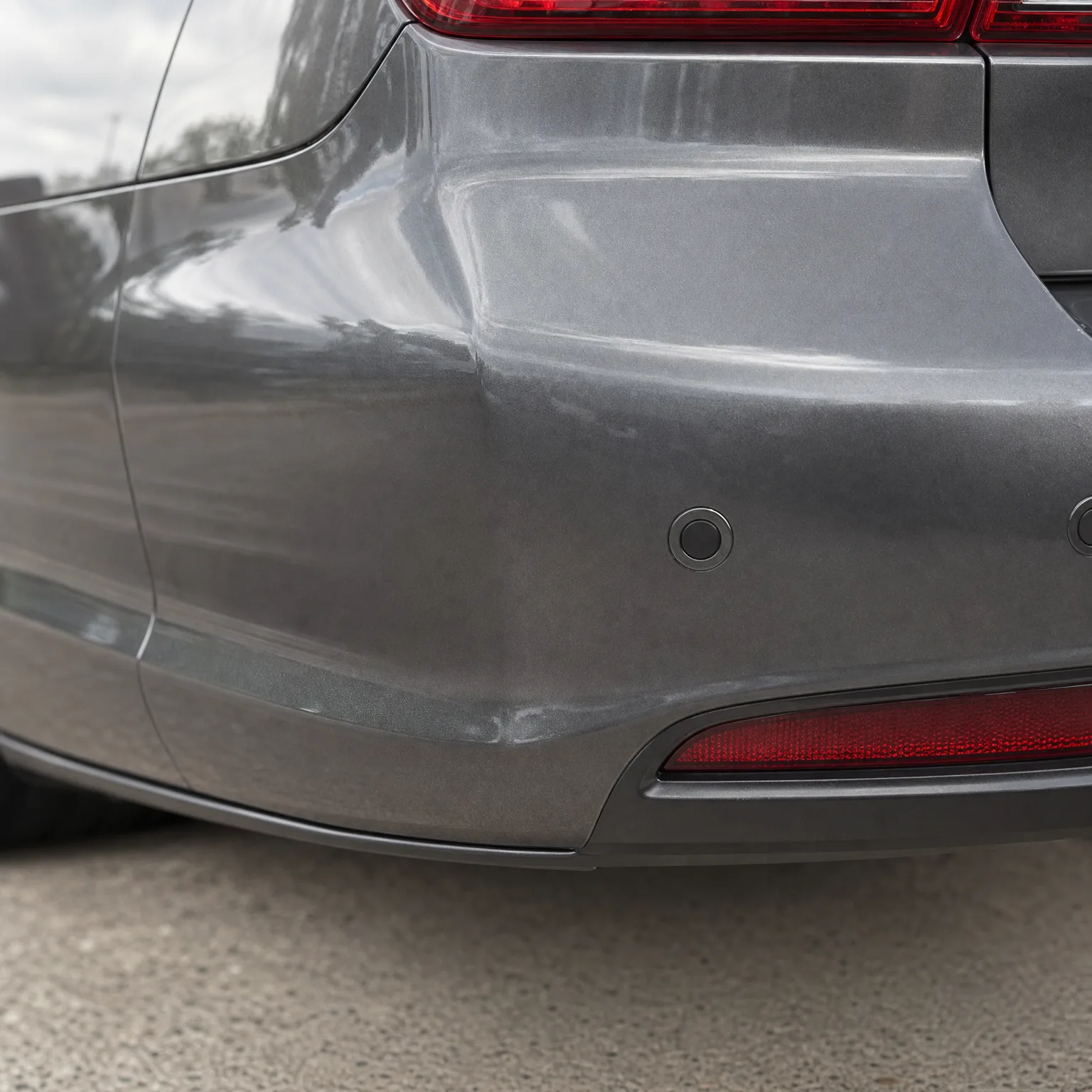
- Your car's damage, if added Many policies sell this as a separate add-on for property damage, so check whether yours includes it or only covers injuries.
- A passenger in your car Someone riding with you who gets hurt by an uninsured driver can typically claim against this coverage too.
Doesn't cover
- Damage from a driver who has insurance If the other driver carries any liability coverage, their policy handles it first, even if their limits are low.
- Your own car in a single-vehicle crash Hitting a tree or sliding off the road on your own involves no other driver, so this doesn't apply.
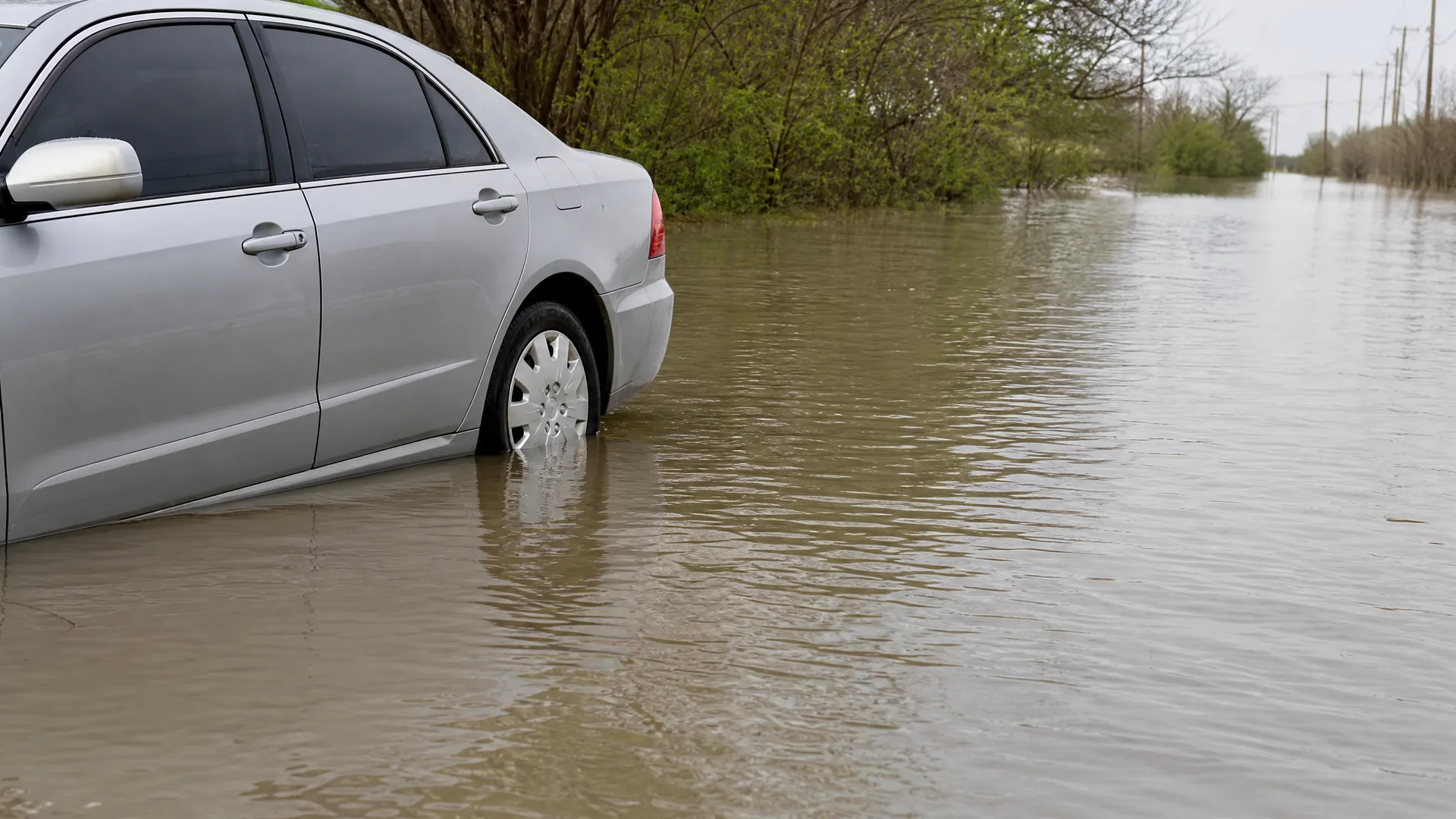
- Weather and animal damage Hail, flooding, or hitting a deer are handled by comprehensive coverage, not this one.
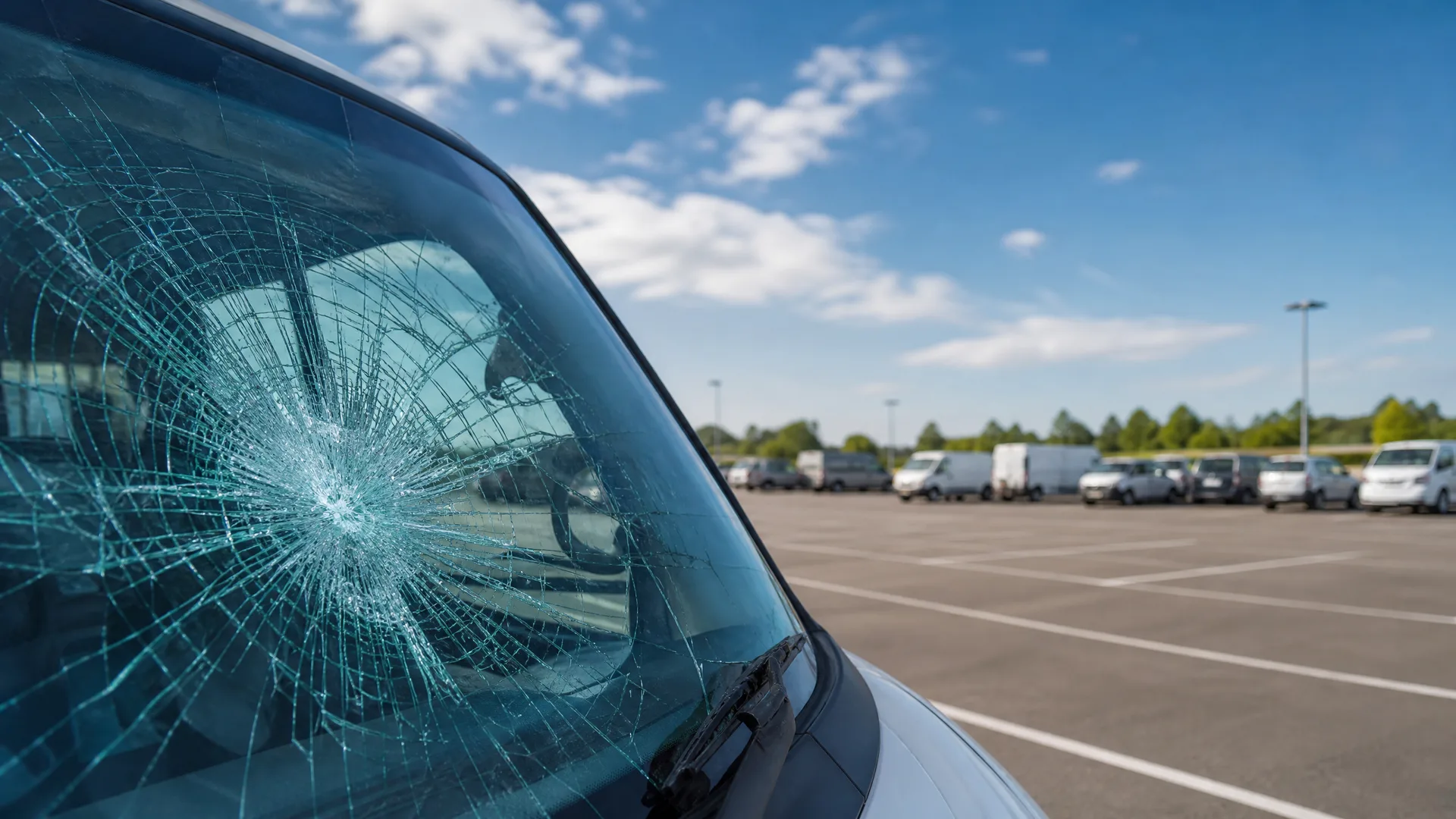
- Vandalism in a parking lot Someone keying your car or breaking a window with no driver involved falls under comprehensive, not uninsured motorist.
- Mechanical failure A blown tire or engine trouble isn't a collision with another driver, so it isn't covered here.
Worth keeping for almost anyone who drives regularly
This isn't a coverage most people outgrow with age. What matters is what you're protecting and what you could absorb yourself if something happened. If your car is older and nearly worthless, the property piece of this matters less, but the medical piece still matters a great deal regardless of the car's value. A serious injury from an uninsured driver can cost far more than most people could comfortably pay out of pocket, and that risk doesn't shrink as you get older. If anything, recovery takes longer and costs more at this age, which makes the injury portion of this coverage worth keeping even on a car you'd happily drop other coverage on. How much you drive matters too. Someone who still drives daily to work, church, or to see grandchildren is exposed every time they're on the road, while someone who drives rarely and keeps the car garaged most of the time carries less risk simply by being out there less. Where you live factors in as well, since a car parked on a street in a busier area faces different odds than one tucked into a garage every night. The property damage portion is the part worth reconsidering, not the whole coverage. If your car is paid off and worth little, it may not make sense to pay extra to protect its value. But the medical side protects you, not the car, and that's the piece almost everyone this age should keep.
How a claim actually works
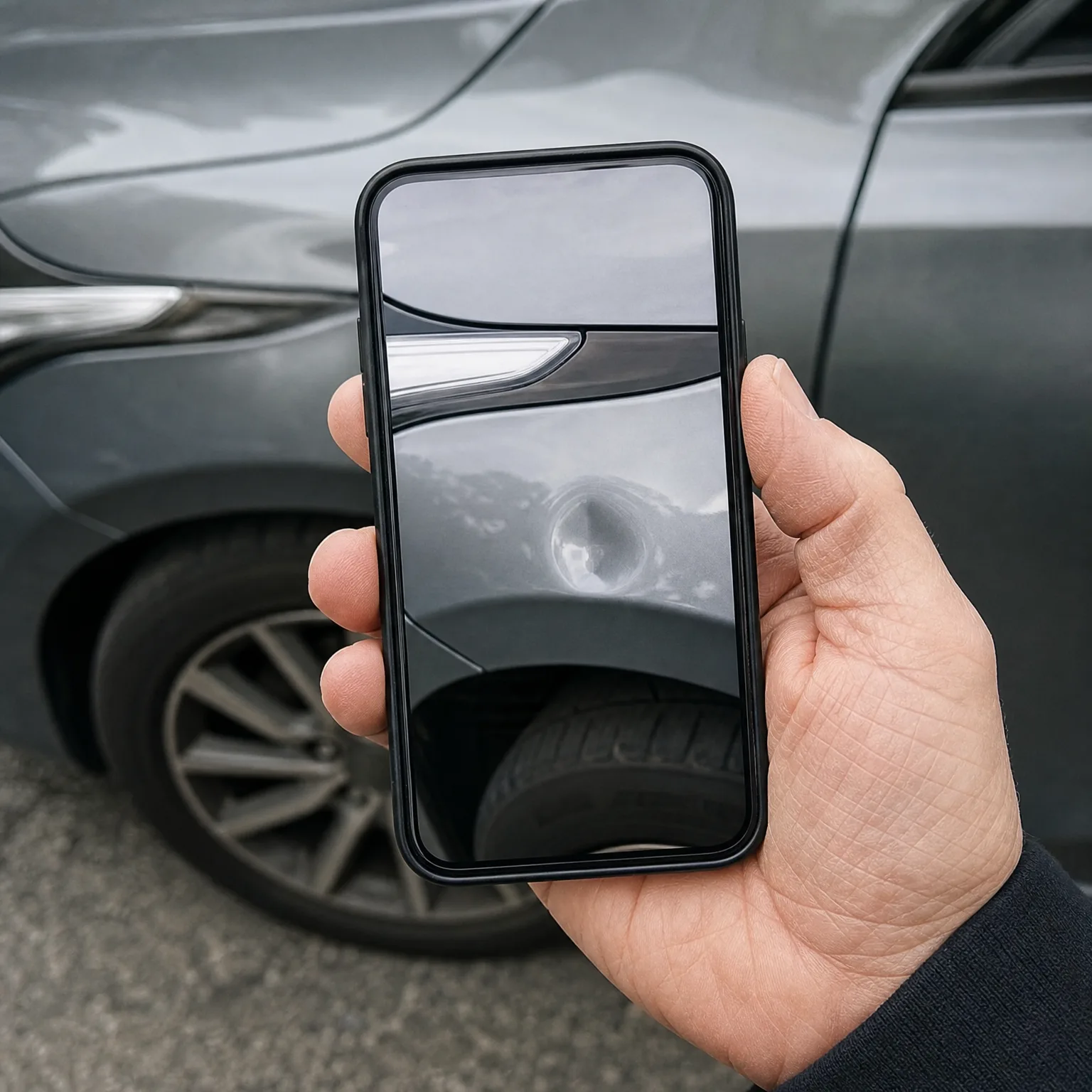
When you use this coverage, you first have to show the other driver had no insurance, usually by a police report and information exchanged at the scene, or by showing a hit-and-run driver was never found. There's typically a deductible on the property damage portion if you have it, though the medical portion often doesn't carry one. Once that's settled, your own insurer pays the claim directly, since there's no other insurer involved to negotiate with. The payment covers medical treatment, lost income, and in some cases pain and suffering, up to whatever limits you chose when you set up the policy. It won't cover damage beyond those limits, and it won't replace a car that's worth more than what you're owed. Keep the police report, photos from the scene, and records of any medical treatment, since your insurer will ask for documentation showing the crash happened and that the other driver truly had no coverage. The process can take some back and forth, especially if liability is unclear, so it helps to respond promptly when your insurer asks for more information.
Uninsured motorist coverage vs. underinsured motorist coverage
Uninsured motorist coverage
This applies when the at-fault driver has no insurance at all, or fled the scene and was never found. It steps in completely, as if the other driver had no policy to pay anything.
Underinsured motorist coverage
This applies when the at-fault driver does have insurance, but their limits aren't enough to cover what you're owed. It pays the difference between what their policy covers and what you actually need.
Most people carry both, since you can't know in advance whether the other driver will have no insurance or simply not enough of it.
Real situations
You're stopped at a light and a driver rear-ends you. At the scene, you find out they let their insurance lapse months ago.
This pays, since the other driver has no insurance to cover your injuries or damage.
You're driving at dusk on a county road and a deer runs into your path, causing real damage to the front of your car.
This doesn't pay, since no other driver is involved and comprehensive coverage handles animal strikes.
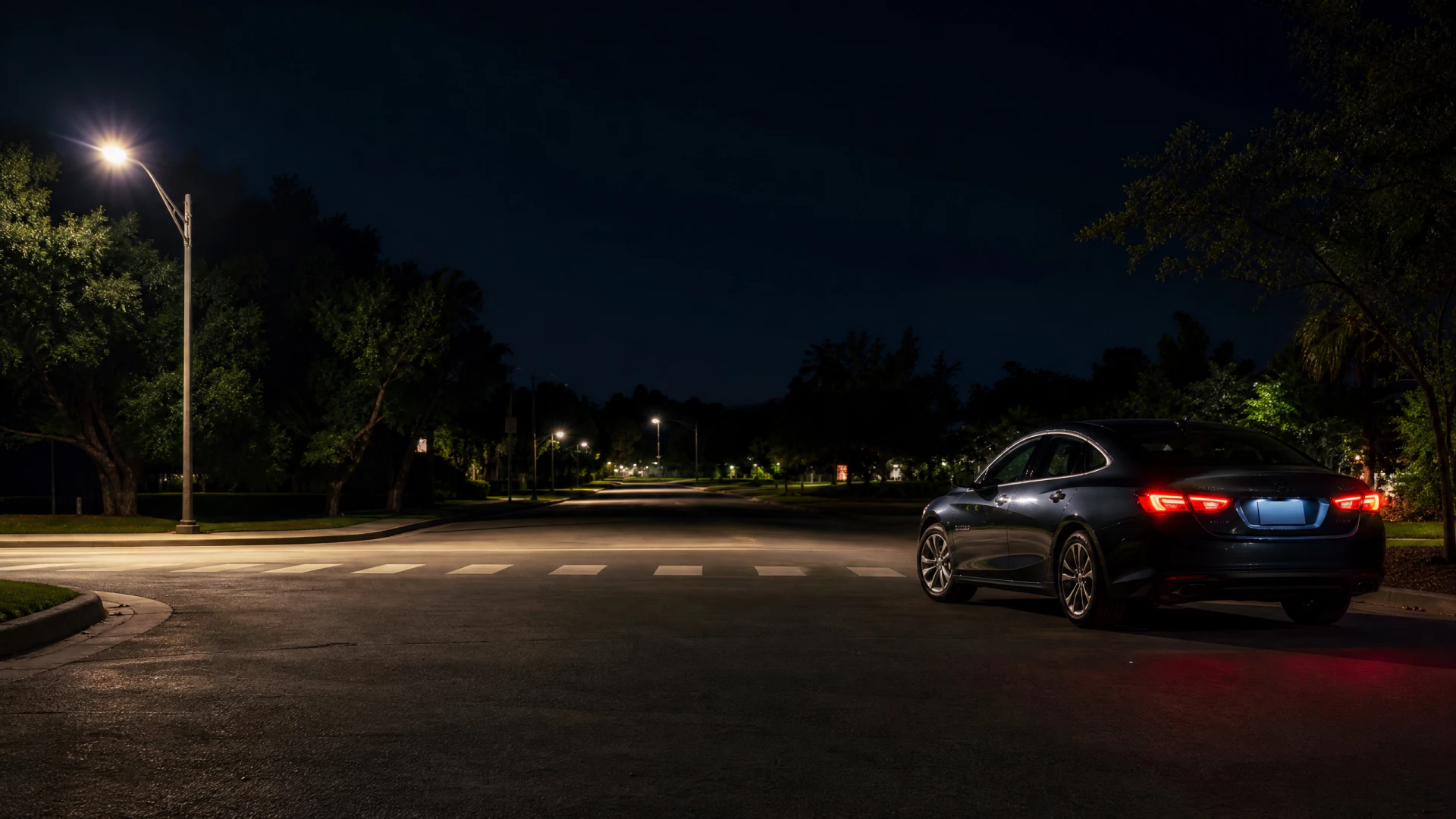
Someone sideswipes your car in a parking lot and drives off before you can get a license plate number.
This pays, since an unidentified hit-and-run driver is treated the same as one with no insurance.
Once you've decided whether to keep, adjust, or add this coverage, you can compare quotes with that choice already settled.
Questions people ask about this
Is uninsured motorist coverage required in Rhode Island?
That depends on your state's rules, since requirements vary by state. Check your own policy or declarations page to see whether it's required or simply offered, and at what level.
Does uninsured motorist coverage raise my rates if I use it?
It can, since filing any claim may affect your rate at renewal, but it depends on your insurer and your overall history. Ask your agent how a claim like this is treated before you decide whether to file.
Can I be sued by the uninsured driver after a crash?
It's possible if they believe you were at fault, though it's uncommon when they're the one without insurance. If a crash leads to a lawsuit, your liability coverage, not this one, is what would respond.
What happens if the uninsured driver has no assets to go after?
This is exactly the situation this coverage exists for, so you wouldn't need to pursue the other driver personally. Your insurer pays your claim directly and doesn't require you to collect from them.
Do I need a police report to file this kind of claim?
Usually yes, since insurers rely on it to confirm the crash happened and that the other driver lacked insurance. Call the police at the scene whenever possible, even for a minor-seeming crash, so you have that documentation later.