Hit by an Uninsured Driver in Connecticut
Uninsured motorist coverage pays for your injuries and, in some cases, your car, when the driver at fault has no insurance or can't be identified.
What this coverage pays for
Covers
- Your medical bills If the other driver has no insurance, this picks up what their liability coverage would have paid toward your injuries.
- Hit and run crashes When the driver who hit you takes off and can't be found, this coverage steps in as if they'd been identified and insured.
- A pedestrian or cyclist claim If you're walking or riding a bike and an uninsured driver hits you, this coverage can still apply.
- Lost income from your injuries If you can't work because of the crash, this can help cover what you would have earned.
- Pain and suffering Unlike many coverages, this can include compensation for the injury itself, not just the bills it caused.
- Damage to your car, if you added it Some policies let you add a version of this coverage specifically for vehicle damage, separate from the injury portion.
Doesn't cover
- Damage to your car by default In many policies this coverage is written for injuries only, so repairing your car falls to collision coverage instead.
- A crash you caused This only applies when the other driver is at fault and uninsured, not when you're the one responsible.
- Damage from weather or animals Hail, flooding or hitting a deer are handled by comprehensive coverage, since there's no other driver involved.
- An insured driver who simply underpaid If the other driver has some insurance but not enough, that's a separate coverage called underinsured motorist.
- Your own medical bills if you caused the crash That's what medical payments coverage or your health insurance is for, not this coverage.

For most older drivers, this coverage is worth keeping
The math behind this one is simple. A serious injury from a crash can cost far more than most people have sitting in savings, and if the other driver has nothing, there's no one else to collect from. That gap is exactly what this coverage closes, and it tends to matter more as you get older, since recovery from an injury takes longer and often costs more.
How much you drive matters less here than it does for other coverages. Even someone who only drives a few times a week to church, the store or a grandchild's house is still exposed every time they're on the road, and uninsured drivers aren't limited to highways.
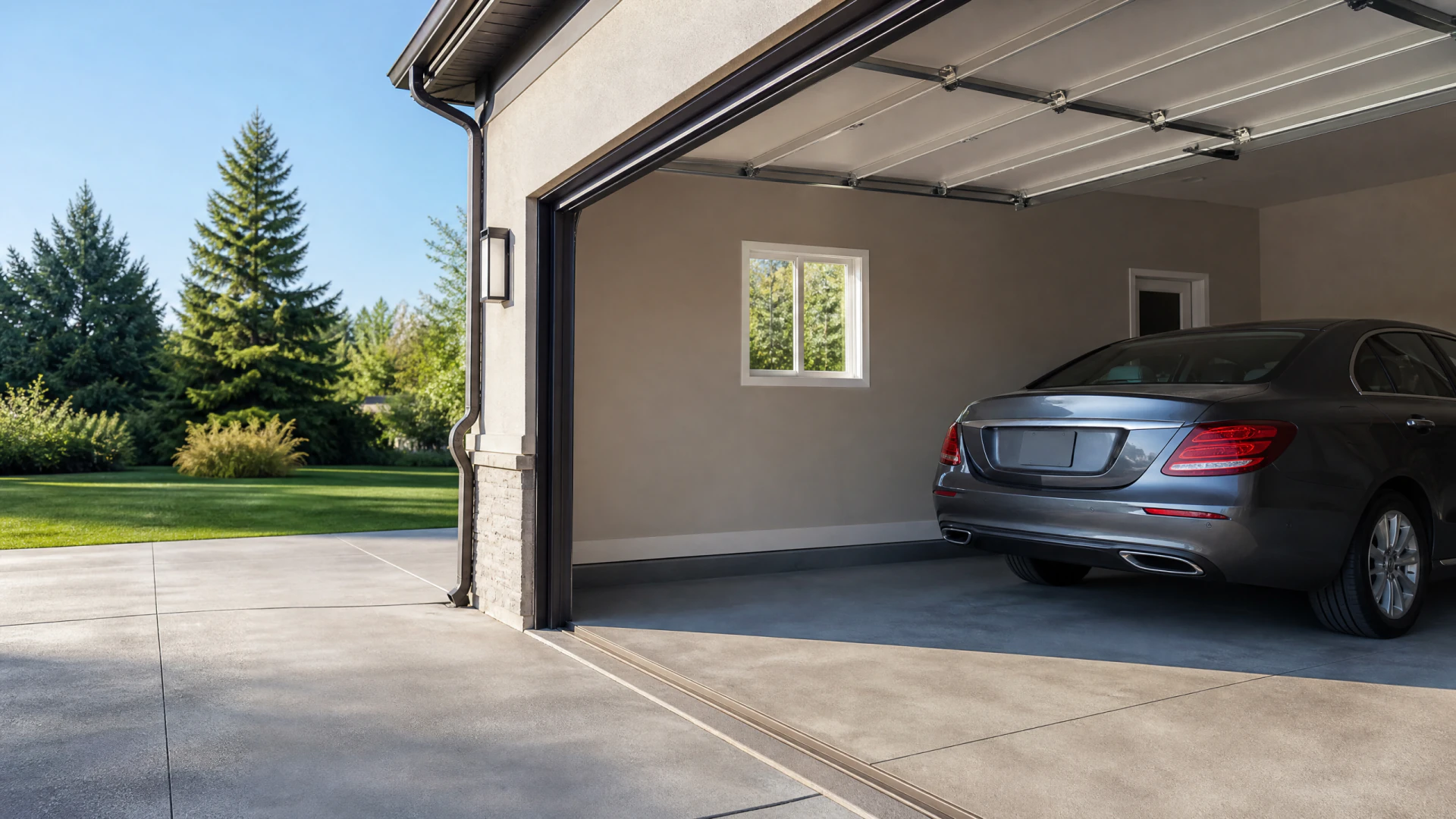
Where the car sits overnight and what it's worth matter far less for this coverage than they do for comprehensive or collision, since this is about people, not the vehicle. Whether your car is paid off is almost beside the point, because this coverage is protecting you, not the car.
The only drivers who sometimes reconsider this one are those who no longer drive much at all and carry strong separate health coverage that would absorb a major medical bill. Even then, the loss of income and pain and suffering portions are hard to replace any other way, so most people keep it.

How a claim actually works
You start by reporting the crash and naming the other driver as uninsured or unidentified, which usually means filing a police report if you haven't already. From there, your insurer investigates the crash the same way it would any claim, by looking at the police report, your medical records and sometimes a recorded statement from you.
If a deductible applies, it's usually on the property side only, not the injury side, so check your own policy to see how yours is set up. Once your claim is accepted, the payment covers your medical treatment, lost wages and pain and suffering up to your policy's limit, but it won't cover damage to your car unless you added that separately.
Have your medical bills, any lost wage documentation and the police report ready, since those are what your insurer will ask for first. If the at fault driver is later identified and turns out to have insurance, your claim may shift over to a liability claim against them instead.
Uninsured motorist vs. underinsured motorist
Uninsured motorist coverage
This applies when the other driver has no insurance at all, or when they can't be found after a hit and run. It's the coverage that steps in when there's simply nothing to collect from.
Underinsured motorist coverage
This applies when the other driver does have insurance, but their limits aren't enough to cover what you're owed. It fills the gap between what they can pay and what your claim is actually worth.
Most people carry both together, since you rarely know in advance which situation you'll end up in.
Real situations
You're stopped at a light and a driver rear ends you, then admits on the scene they let their insurance lapse months ago.
This coverage pays, since the other driver has no insurance to cover your injuries.
A hailstorm rolls through while your car is parked in the lot during a church service.
This coverage doesn't pay, since there's no other driver involved; that's a comprehensive claim instead.
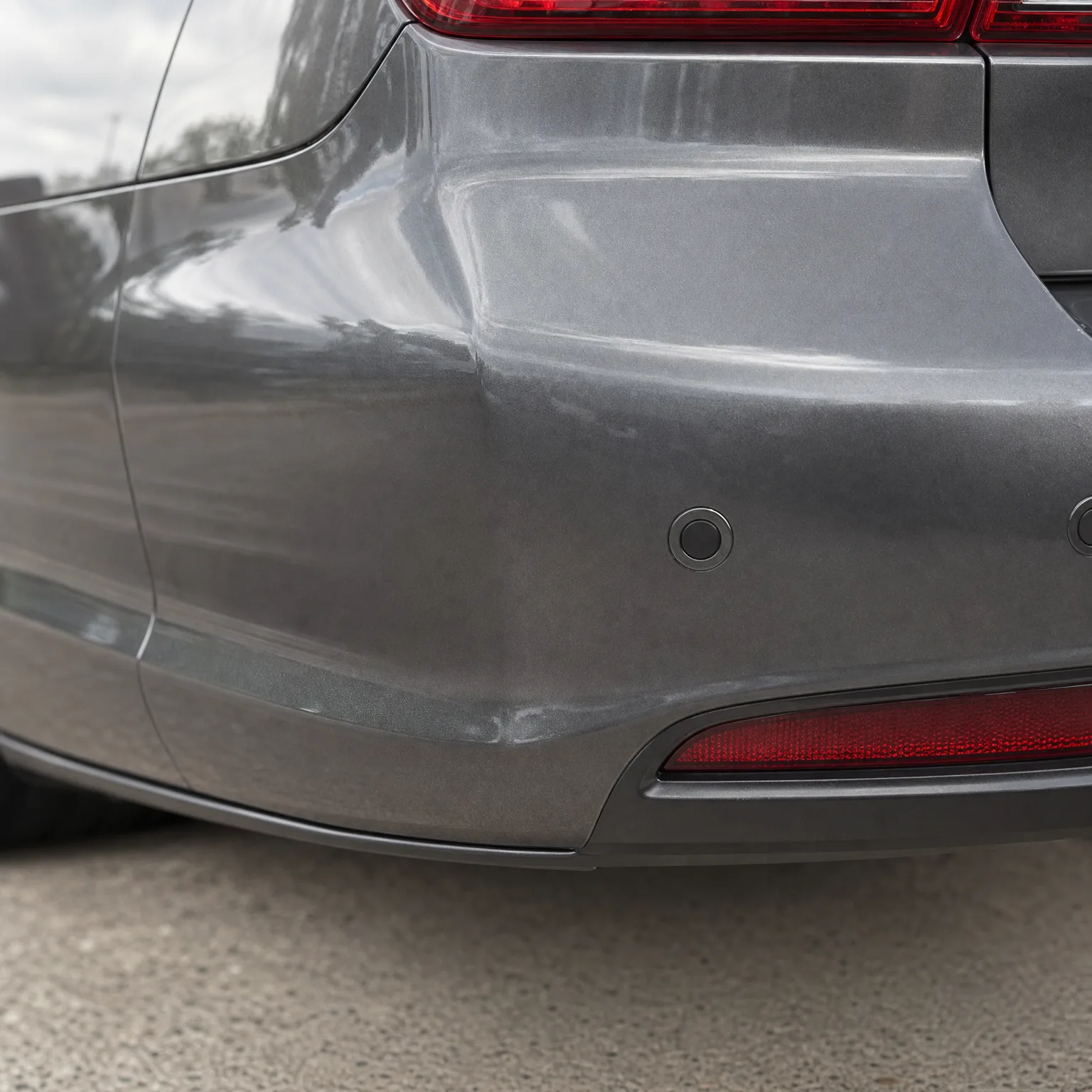
A car runs a stop sign on a county road, clips your bumper, and speeds off before you can get a plate number.
This coverage pays, since a hit and run by an unidentified driver is treated the same as an uninsured one.
Once you know whether you're keeping, adding or adjusting this coverage, you can compare quotes with that decision already settled.
Questions people ask about this
Does uninsured motorist coverage cover my passengers?
Yes, it typically extends to passengers riding in your car at the time of the crash. Check your policy to see whether passengers are listed by name or simply covered by virtue of being in the vehicle. This matters most if you regularly drive with a spouse or grandchildren.
What happens if the uninsured driver is never found?
Your claim can still move forward as a hit and run claim under this coverage. Your insurer will want the police report and any evidence from the scene, like photos or witness statements. Without an identified driver, your own insurer effectively stands in for them.
Can my insurance rates go up after an uninsured motorist claim?
It depends on your insurer and state rules, so this is worth checking directly with your agent. Since the crash wasn't your fault, many insurers treat it differently than an at fault claim. Ask specifically how this type of claim is rated before you assume either way.
Do I need a lawyer to file an uninsured motorist claim?
Not always, especially for a straightforward claim with clear fault and modest injuries. A lawyer becomes more useful if the injury is serious, if your insurer disputes the claim, or if the payout seems low compared to your bills. Many lawyers in this area work on contingency, so ask about cost before committing.
Is uninsured motorist coverage required by law?
This varies by state, so check your own policy or declarations page to see how it's listed for you. Some states require it, others simply require insurers to offer it and let you decline in writing. If you're unsure, your agent can tell you exactly how your policy currently handles it.