Hit by an Uninsured Driver in Iowa
Uninsured motorist coverage pays for your injuries and sometimes your car when the driver who hit you has no insurance at all, or fled the scene.
What this coverage pays for
Covers
- Injuries from an uninsured driver It covers your medical costs and related losses when the at-fault driver has no liability insurance to pay you.
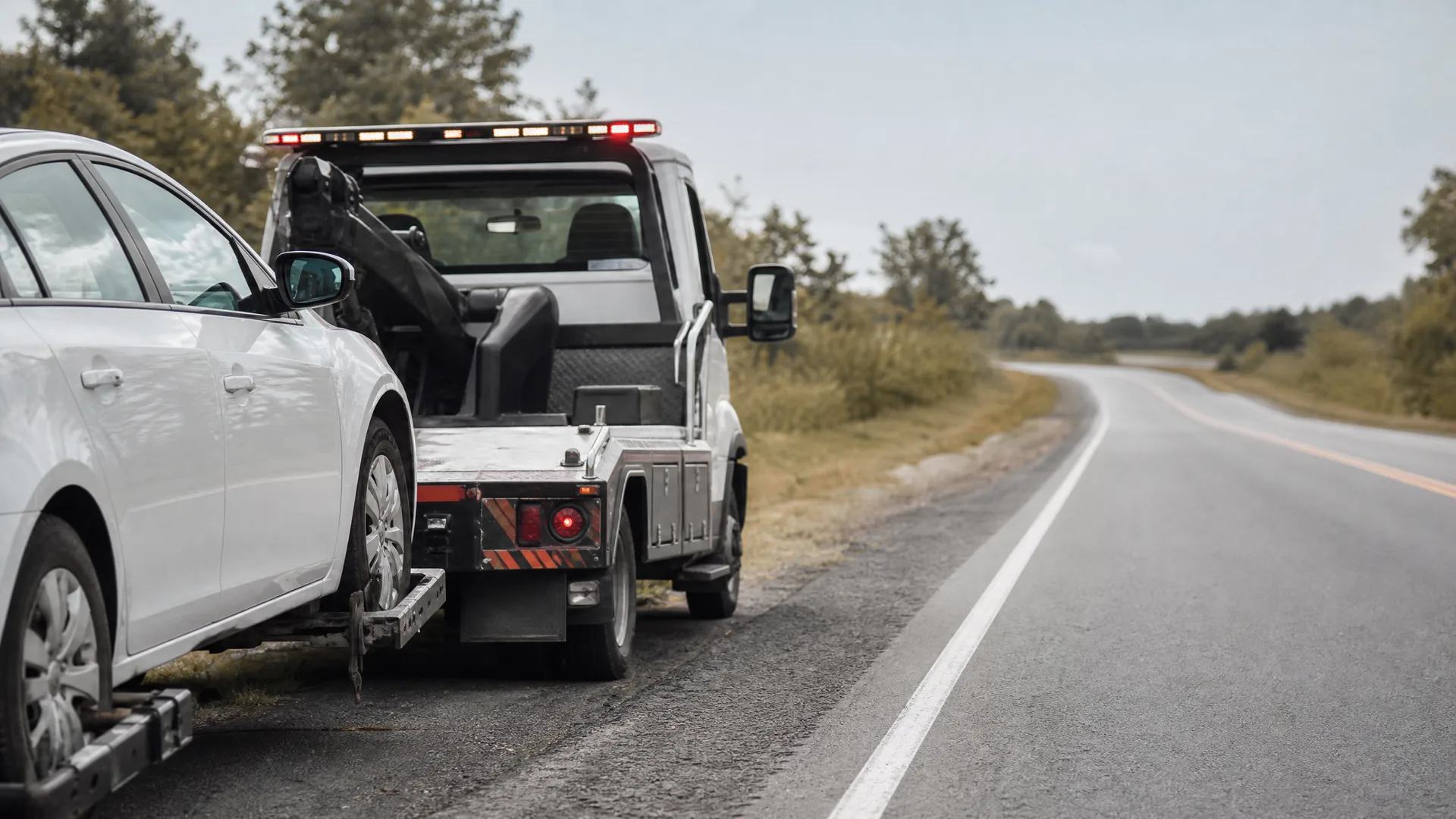
- Hit-and-run crashes If a driver flees the scene and can't be identified, this coverage steps in as if they'd carried their own insurance.
- You as a pedestrian or cyclist If an uninsured driver hits you while you're walking or riding a bike, this coverage still applies.
- You as a passenger It follows you into other people's cars too, not just the one on your own policy.
- Lost income from the crash If your injuries keep you from working, this coverage can help replace what you'd have earned.
- Vehicle damage, where offered Some policies add a version of this coverage for car repairs, separate from the part that covers injuries.
Doesn't cover
- Damage to your own car In many setups, the injury version of this coverage doesn't touch car repairs at all, that's handled separately or not at all.
- Your own medical bills from a crash you caused This coverage only applies when someone else is at fault and uninsured, not to crashes you cause yourself.
- An underinsured driver's full gap A related but separate coverage handles the shortfall when the other driver has some insurance but not enough.
- Property damage beyond your car Fences, mailboxes, or other property aren't part of what this coverage is built to pay for.
- Mechanical breakdowns A car that simply quits running has nothing to do with this coverage, no crash means no claim.
- Intentional acts you commit This coverage responds to being a victim of someone else's driving, not to deliberate damage you cause.
Worth keeping for almost everyone, even if you rarely use it
The whole point of this coverage is that it protects you from someone else's bad decision to drive without insurance, and that risk doesn't go down just because you've gotten more careful behind the wheel. You can't control whether the other driver is covered, only whether you are if they're not.
What matters more at this age is what you're driving and how you'd handle a bad outcome financially. If your car is older and nearly worthless, the injury side of this coverage still matters far more than any property piece, since medical costs don't shrink just because the car is old.
How much you drive and where the car spends its time also plays in. A car that mostly sits in a garage and takes short trips to church or the store carries less exposure than one logging daily highway miles, but even low mileage doesn't get you to zero risk on rural roads or in town.
The honest case for dropping it only shows up if you've stopped driving altogether and the policy exists just to keep the car legally insured in storage. Short of that, this is one of the few coverages built specifically to protect you, not the other driver, and that's worth something at any age.
How a claim actually plays out
You open a claim with your own insurer, not the other driver's, since they often have none. Depending on your policy, a deductible may apply to the property piece, and your insurer will walk you through what, if anything, you owe out of pocket before payment starts.
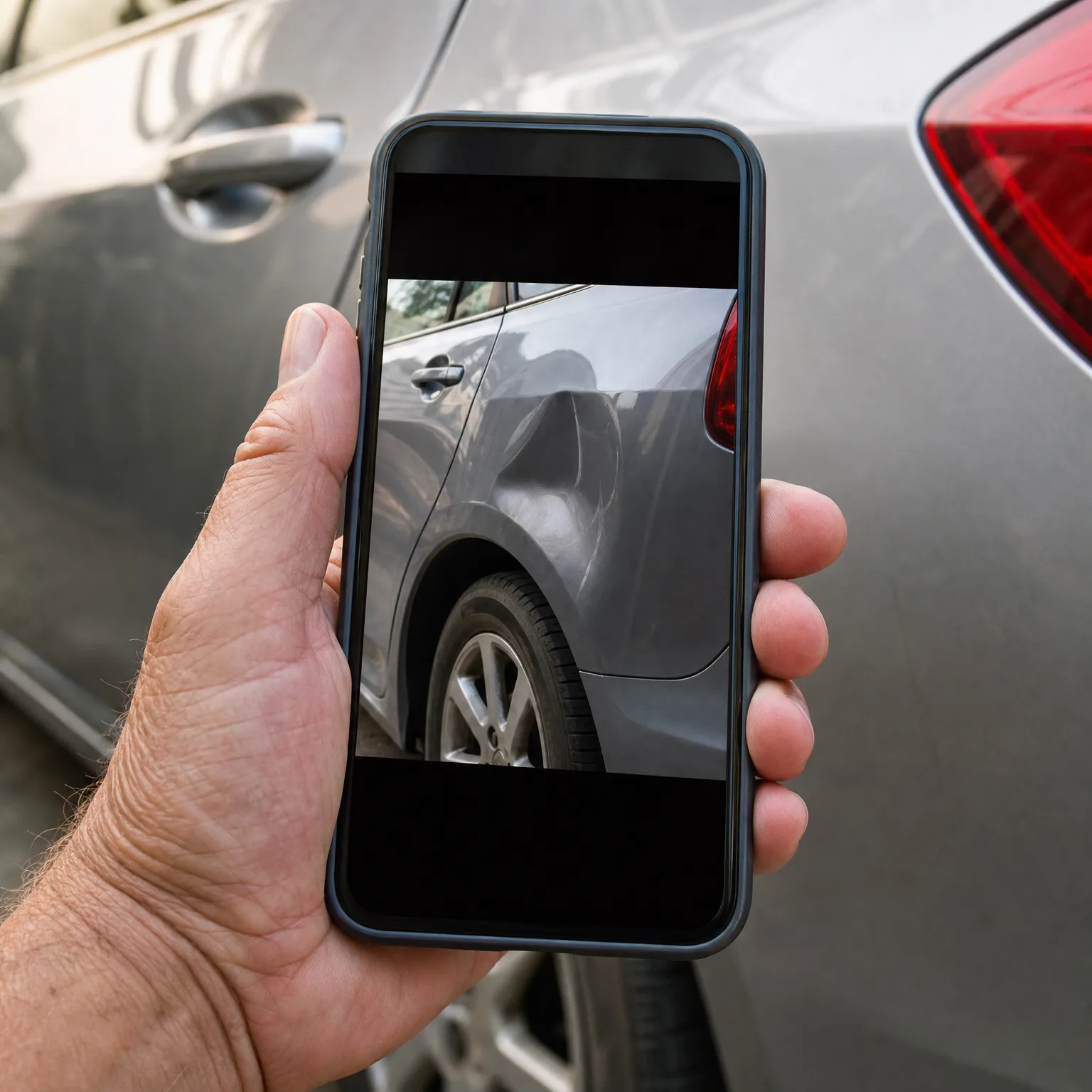
The insurer will want to confirm the other driver really was uninsured or unidentifiable, so a police report matters here more than in an ordinary claim. Keep the report, photos from the scene, and any contact information you gathered, even from witnesses.
Once the claim is accepted, the payment covers your medical bills, lost income, and related losses up to your policy's limits, and a separate property claim, if you carry it, covers repair or replacement of your car. The two pieces are evaluated and paid separately, so don't expect one number to cover everything.
Have your policy details, the police report, medical records, and a description of how the crash happened ready when you call. The more complete that picture is up front, the faster the claim tends to move.
Often confused with underinsured motorist coverage
Uninsured motorist coverage
This applies when the at-fault driver has no insurance at all, or can't be identified after fleeing. It's an all-or-nothing situation, since there's no other policy to even partially pay you.
Underinsured motorist coverage
This applies when the other driver has insurance, but not enough to cover your full losses. It fills the gap between what their policy pays and what you actually need.
Most drivers benefit from carrying both, since you have no way of knowing in advance which kind of driver will hit you.
Real situations
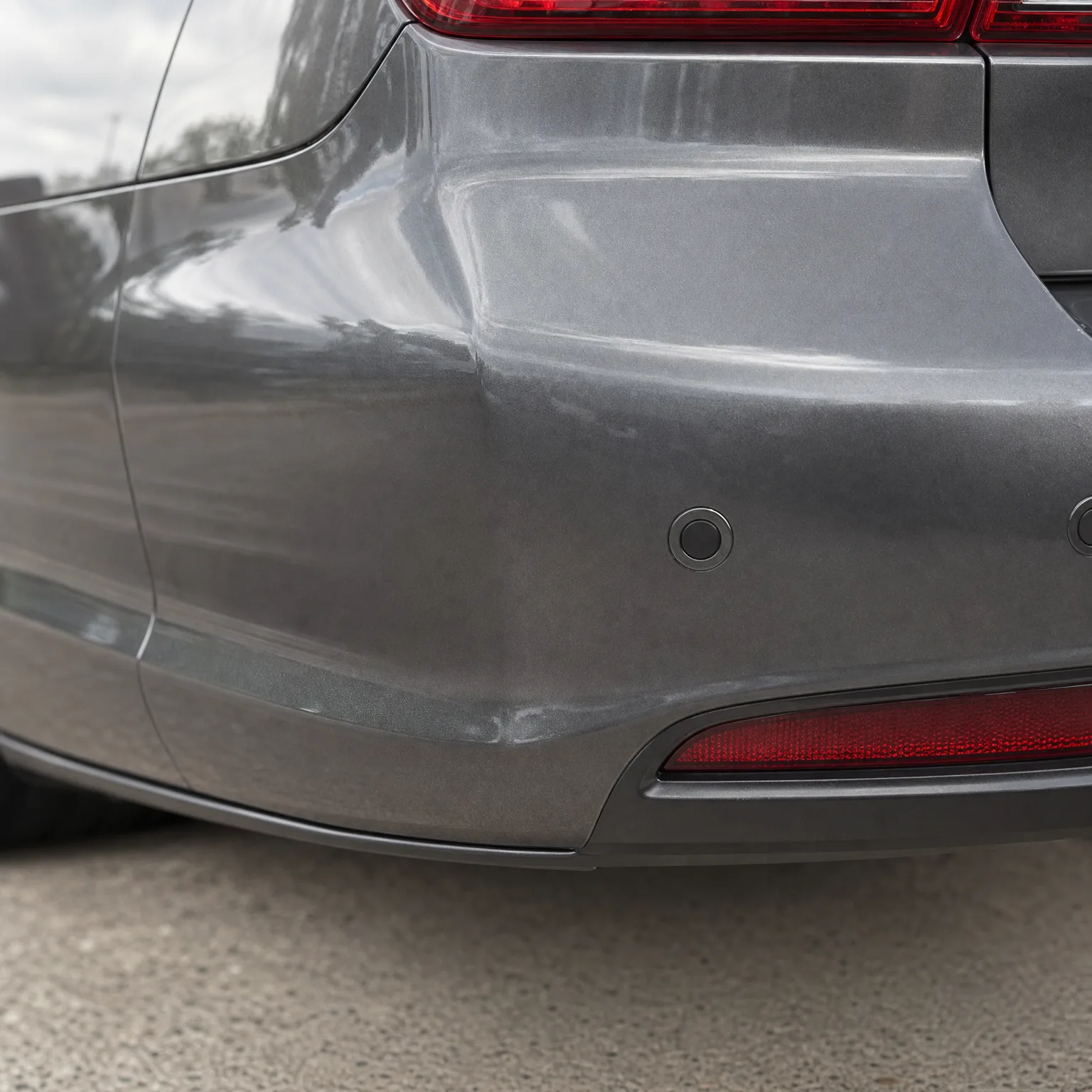
You're stopped at a light downtown and a driver rear-ends you, then drives off before you can get a plate number.
This coverage applies here, since a hit-and-run with no identified driver is treated as an uninsured motorist situation.
A driver runs a stop sign on a county road and hits your car, and it turns out they let their insurance lapse months ago.
This coverage pays for your injuries and losses, since the other driver had no insurance in force at the time.
A storm drops hail on your car while it's parked in a church lot and no other driver is involved.
This coverage doesn't pay here, since there's no at-fault driver at all, that's a comprehensive claim instead.
Once you know whether you're keeping this coverage as is or adjusting it, you're in a good position to compare quotes and see how different insurers price it.
Questions people ask about this
Do I have to carry uninsured motorist coverage in Iowa?
That depends on your state's rules and what your policy already includes, so check your declarations page or ask your agent directly. Some states require it, others only require it be offered and let you decline it in writing. Your renewal notice will usually show whether you're currently carrying it.
How do I find out if the other driver is actually uninsured?
Your insurer verifies this during the claims process, often through the police report and follow-up with the other driver's insurer, if any. You don't need to prove it yourself before filing. If the other driver can't be identified, a police report of the hit-and-run serves a similar purpose.
Will my rates go up if I use this coverage?
That depends on your insurer's rules, since you weren't at fault in these claims. Many insurers treat claims under this coverage differently from at-fault claims precisely because the crash wasn't your doing. Ask your agent how your specific policy handles it before you assume the worst.
Can I use this coverage if the other driver has a suspended license but some insurance?
Possibly, since a suspended license and an active or lapsed policy are two separate things. What matters is whether their liability insurance was actually in force at the time of the crash. Your insurer will sort out the details once you file.
What happens if I'm partly at fault in a crash with an uninsured driver?
Your state's fault rules determine how this plays out, and that varies by state, so it's worth asking your agent how shared fault affects payment. Some states reduce what you can collect based on your share of fault. Others handle it differently, so don't assume one rule applies everywhere.