Will My Insurance Go Up if I Get Hit by an Uninsured Driver
A crash that wasn't your fault doesn't usually raise your rate, but how your claim gets paid can change that.
In most cases, no
Insurers set rates based on fault, and if the other driver caused the crash, it goes on their record, not yours. Your insurer has no reason to treat you as a higher risk because of something another driver did.
Where it gets more complicated is how your claim gets paid. If the other driver has no insurance at all, you may end up filing through your own uninsured motorist coverage. Some insurers treat that differently than a claim against someone else's policy, even when you weren't at fault. Ask your insurer directly how a claim like this is recorded on your policy.
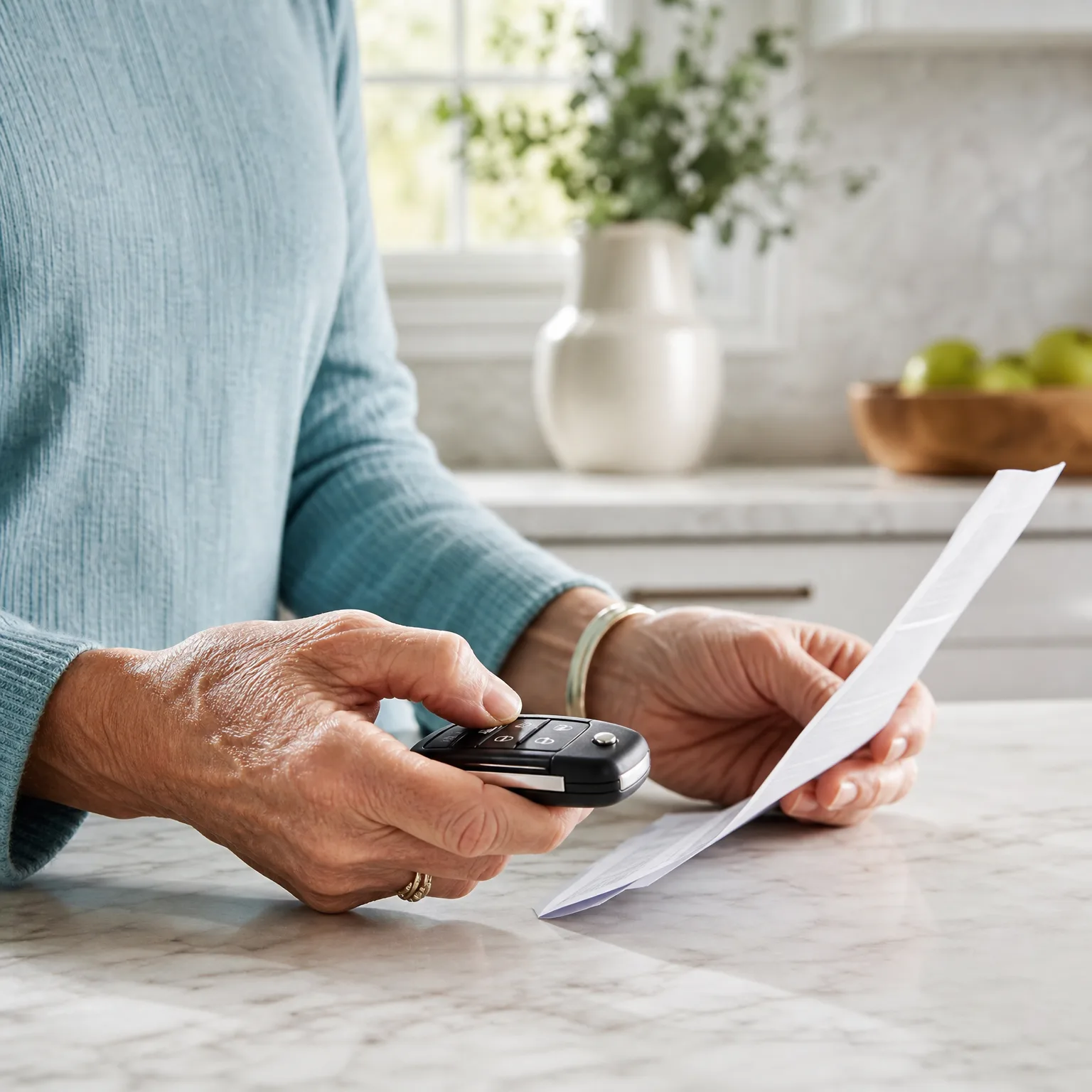
How your claim gets paid matters more than who caused it
When another driver is insured, their insurer usually pays for your damage, and the claim shows up as theirs, not yours. When the other driver is uninsured, you typically file with your own insurer under your uninsured motorist coverage instead. The money comes from your policy even though you did nothing wrong.
Some insurers note this as a claim on your record regardless of fault, simply because a payment came out of your policy. Others code it clearly as not-at-fault and leave your rate alone. This varies by company, so it's worth asking your insurer how they classify uninsured motorist claims before you decide whether to file one.
If the damage is minor, some drivers choose to pay out of pocket rather than file, specifically to avoid any chance of it showing up as a claim. That's a judgment call, and it depends on the cost of the repair versus your deductible and your comfort with filing at all.
What your police report and documentation show
A clear police report that places fault on the other driver is the strongest protection you have. It gives your insurer, and any other insurer involved, a record that shows you weren't responsible for the crash.
Photos of the scene, witness information, and the other driver's details all support that same record. If the crash is disputed or there's no clear report, your insurer may have a harder time confirming you weren't at fault, which can affect how the claim is handled.
If you're not sure whether the other driver had insurance at the time of the crash, your insurer can usually check this when you file. It's worth asking them directly rather than assuming either way.
Questions people ask about this
Does filing an uninsured motorist claim count against me?
It depends on your insurer. Some record it as a no-fault claim and don't factor it into your rate, others log it simply because a payment was made. Ask your insurer how they classify these claims before you file.
What happens if the uninsured driver is found later?
If the other driver is identified or found to have insurance after you've already filed, your insurer may be able to recover the cost through them. Ask your insurer whether this changes how the claim appears on your record.
Should I still report the accident if there's no damage to my car?
Reporting it protects you even if the damage looks minor, since some injuries or issues show up later. Check with your insurer about their requirements for reporting, since some policies require it regardless of damage.
Can my insurer raise my rate for a claim that wasn't my fault?
It depends on how the claim is coded and on your insurer's own rules. Ask your insurer directly whether a not-at-fault claim, including one paid through your uninsured motorist coverage, affects your rate.
Do I need a police report to file an uninsured motorist claim?
Most insurers ask for one, since it documents what happened and who was at fault. Check with your insurer about what they require, since this can vary by company and by state.
If a rate increase is what worries you most, compare quotes now so you know where you stand either way.
Call your insurer and ask specifically how they classify uninsured motorist claims on your policy, since this varies by company. Have your police report, photos, and any witness information ready before you file. If the damage is small, weigh the repair cost against your deductible before deciding whether to file at all. Ask whether your rate is affected by claims where you weren't at fault, in writing if possible. Once you know how your current policy would treat this, compare quotes from other insurers to see whether their policies handle it differently.