Will Insurance Cover Hit and Run Without a Police Report
Most insurers want a police report for a hit and run claim, but some will still pay without one if you can show what happened.
It depends on your coverage and your insurer
If you have collision coverage, your insurer can pay for hit and run damage even without a police report, though most will ask why one wasn't filed and may want other proof instead, like photos, witness statements, or a repair estimate.
Without collision coverage, there's usually nothing to claim against for a hit and run, since the other driver can't be identified or billed. A police report mainly matters because it's often the easiest way to prove the damage happened the way you say it did, not because insurers require it by law.

What kind of coverage you carry
Collision coverage is what responds to hit and run damage, since there's no other driver's insurance to file against. If you only carry liability coverage, a police report won't change anything, because there's no coverage on your policy to pay the claim.
Some states also require uninsured motorist property damage coverage, and that coverage sometimes does require a police report as a condition of paying out. Check your policy or ask your insurer which coverage would apply to a hit and run, since the report requirement can come from the coverage itself, not just company practice.
If you're not sure which coverages you have, your declarations page will list them by name. That's worth pulling before you call your insurer, so you know what you're actually asking about.
How much proof you can offer instead
Insurers ask for a police report because it's a neutral record of what happened, made close to the time it happened. Without one, you're asking them to take your word for it, so the more you can document on your own, the better your chances.
Photos of the damage, the location, and anything left behind by the other vehicle all help. A witness who saw the collision, even if they didn't get the other driver's information, can support your account.
Timing matters too. An insurer is more willing to work with a late or missing report if you can show you tried to report it and reasonably, than if weeks passed before anyone heard about the damage.
Ask your insurer directly what they'd need to proceed without a report. Some will still open a claim and investigate, others will deny it outright, and that answer depends on the company, not on any rule that applies everywhere.
Questions people ask about this
Do I have to report a hit and run to the police right away?
Many states require you to report a hit and run within a set time, separate from anything your insurer asks for. Check your state's reporting rules, since failing to report can carry its own consequences unrelated to your insurance claim.
Will my rates go up after a hit and run claim?
That depends on your insurer and whether the claim is treated as at-fault. Since you didn't cause the collision, ask your insurer directly how a hit and run claim is classified on your policy.
Can I still file a claim if I didn't see who hit me?
Yes, you can still file as long as you have collision coverage or applicable uninsured motorist coverage. You'll need to describe the damage and circumstances as best you can, even without identifying the other driver.
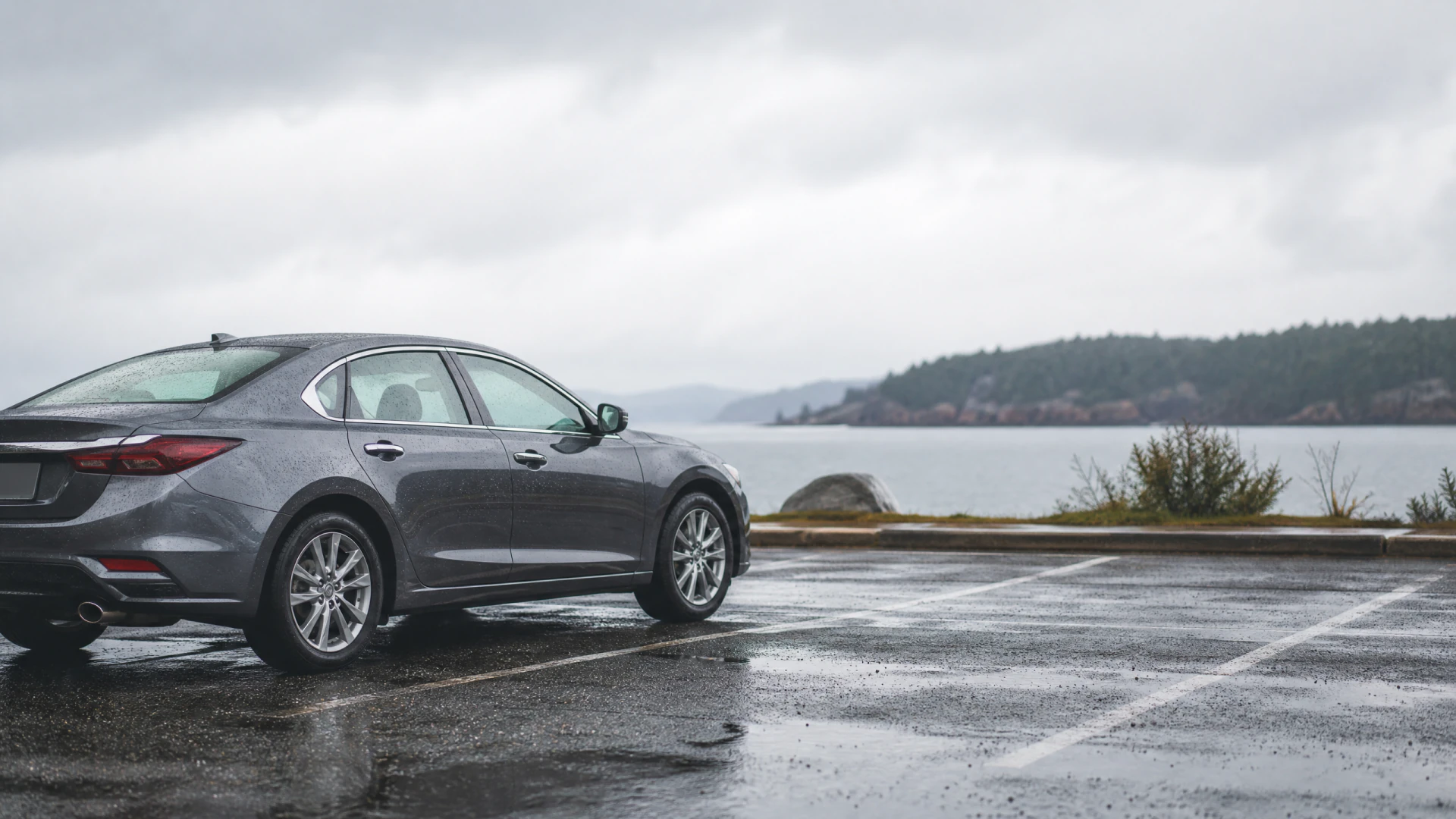
What if the hit and run happened while my car was parked?
The same coverage questions apply whether you were driving or parked. Collision coverage typically responds either way, but check with your insurer since some policies handle parked car damage differently.
Does a hit and run count against my claims-free discount?
That depends on how your insurer defines a claims-free record and whether a not-at-fault claim affects it. Ask your insurer directly, since this varies by company and isn't standard across policies.
See what other drivers in your situation are paying before you decide what to do next.
Pull your declarations page and check whether you have collision coverage or uninsured motorist property damage coverage, since one of those is what would actually pay a hit and run claim. Gather anything you have, photos, witness names, a repair estimate, before you call your insurer. Ask them directly what they need to process a claim without a police report, and whether your state's reporting deadline still applies to you. If your insurer won't move forward without a report, you can usually still file one with local police after the fact, even if time has passed. Once you know how this claim is likely to be handled, it's worth comparing what other insurers would do with the same situation.