What Proof Do I Need for an Uninsured Motorist Claim
You need to show there was an accident, who caused it, and what it cost you, since the other driver's insurer isn't there to confirm any of it.
You need a police report, your own records of the damage, and proof the other driver had no insurance or fled the scene
Start with the police report. Without it, your insurer has only your word that another car was involved at all. Call the police at the scene if you possibly can, even for a minor collision, and get the report number before you leave.
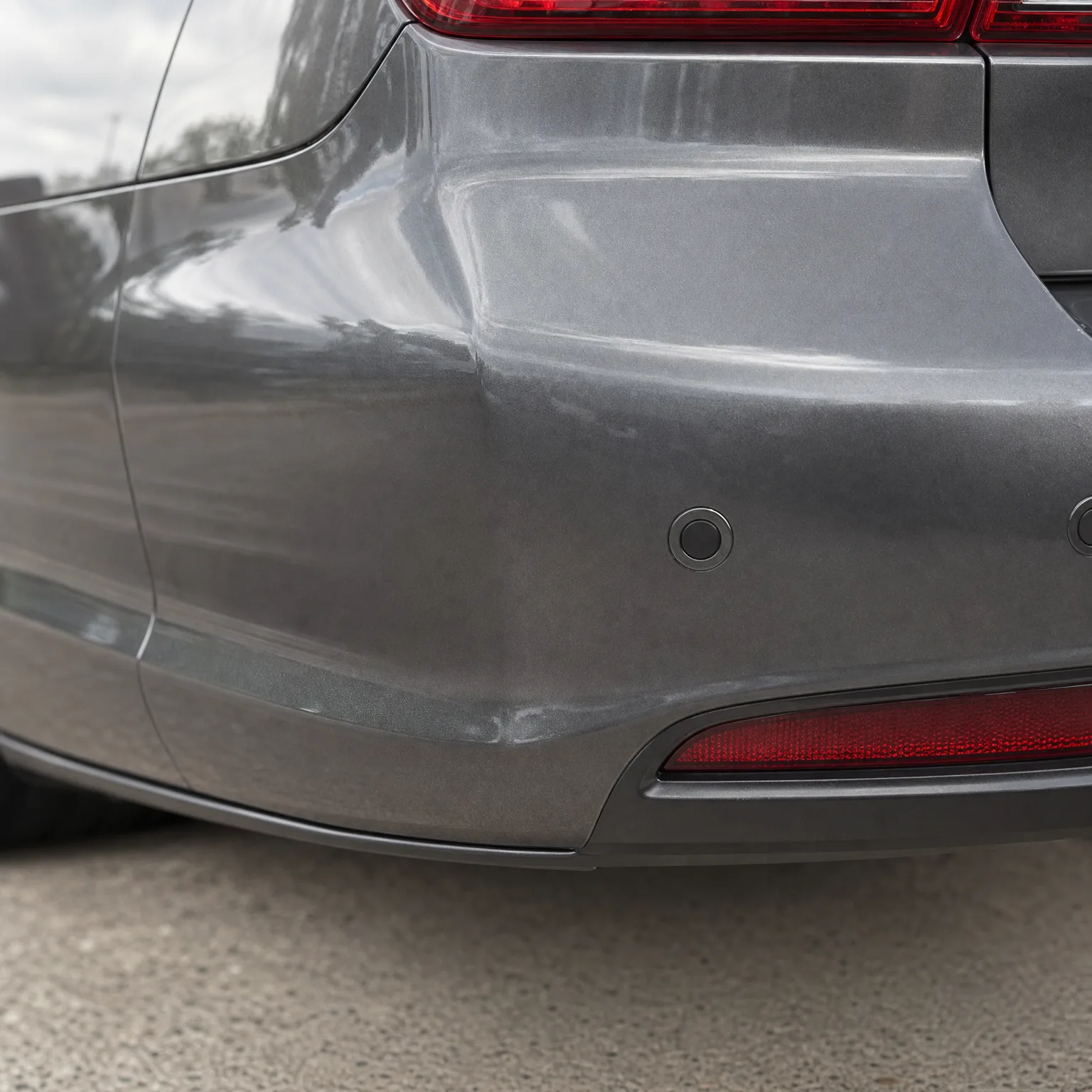
Beyond the report, you need your own documentation. Photos of both cars, the road, and your injuries. Names and numbers of any witnesses. Medical records if you were hurt. Repair estimates. Your insurer builds the claim from what you hand them, so the more you collect at the time, the less you're arguing about later.
Whether the other driver fled changes what you can prove
A hit-and-run is harder to document because you may never get the other driver's insurance information, or even their identity. In that case, the police report becomes more important, not less. It's often the only independent record that a second vehicle was involved.
If you got a plate number, a partial plate, or a description of the car, write it down immediately and give it to the police. Your insurer will ask what evidence exists that another vehicle caused the damage, since without that, it can look like a single-car accident.
If there's a witness who saw the other car leave, get their contact information before they walk away. A witness statement can carry a lot of weight when the other driver can't be found.
Check your policy for how it defines a hit-and-run claim specifically. Some insurers ask for the report to be filed within a set window, and your agent can tell you what yours requires.
How you confirm the other driver was uninsured matters as much as the accident itself
If the other driver stayed at the scene, get their insurance card and write down the policy number yourself rather than trusting their word for it. Drivers without insurance sometimes don't realize their policy lapsed, or claim coverage they don't have.
Your insurer will usually try to verify coverage with the other driver's insurer directly. If that insurer confirms there was no active policy at the time of the accident, that confirmation becomes part of your claim file.
If the other driver admits they're uninsured, or the police report notes it, keep a copy of that report. It's often the clearest proof you'll have.
Ask your own agent early what their process is for confirming the other driver's status. Some insurers move faster than others, and knowing what to expect helps you avoid calling repeatedly for updates.
Questions people ask about this
How long do I have to file an uninsured motorist claim?
This is set by your policy and sometimes by your state, so there's no single answer that applies to everyone. Check your policy documents or ask your agent directly what the deadline is, and file as soon as you can rather than waiting to see how things develop.
Will my rates go up after an uninsured motorist claim?
This depends on your insurer and your state's rules, since some treat these claims differently from at-fault accidents because you didn't cause the crash. Ask your agent directly how this type of claim is rated before you assume either way.
Do I need a lawyer for an uninsured motorist claim?
Not always, but it depends on the severity of the accident and how your insurer responds. If you were seriously injured or your insurer is disputing the claim, it's worth asking a lawyer what your options are before you sign anything.
What if the police won't come to the scene?
You can usually still file a report afterward at a police station or online, depending on your local department's policy. Ask what their process is for filing a report after the fact, and do it as soon as possible while details are fresh.
Does my own insurance cover damage from an uninsured driver?
This depends on whether you carry uninsured motorist coverage, which is separate from liability coverage and not required in every state. Check your policy or ask your agent whether you have it, since without it you may have no coverage for this situation at all.
If this is pushing your renewal higher, it's worth seeing what other insurers would charge for the same coverage.
Pull together everything you have now: the police report, photos, witness contact information, and any note of the other driver's insurance status. Call your agent this week and ask exactly what they still need from you and by when. If the other driver fled, ask what happens to your claim if they're never identified. If your policy doesn't include uninsured motorist coverage, ask what it would take to add it before you need it again.