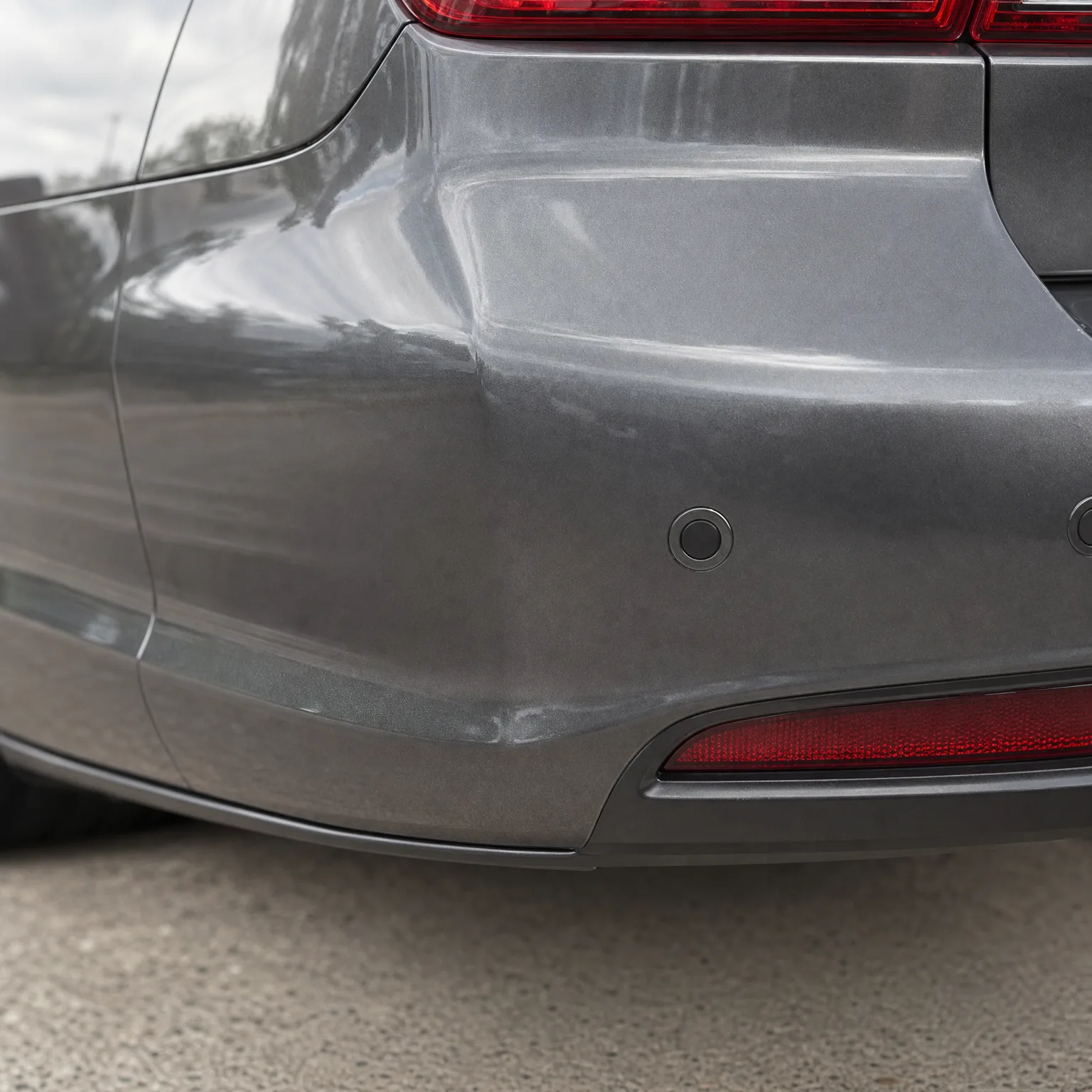
What Is Uninsured Motorist Coverage
It covers you when the other driver is at fault and carries no insurance, or not enough to pay for what happened.
It stands in for the other driver's insurance when they don't have any
Uninsured motorist coverage pays you when another driver causes an accident and has no liability insurance to cover it. A related version, underinsured motorist coverage, pays the gap when the other driver has insurance but not enough to cover your injuries or damage. Many policies combine the two under one heading.
You're buying this coverage to protect yourself from someone else's decision not to carry insurance. Your own driving record and your own insurance history don't change whether you need it. What changes is whether your state requires it and how much protection you already have without it.
Whether your state requires it changes what you're choosing between
Some states require insurers to offer uninsured motorist coverage on every policy, and a few require drivers to carry it unless they sign a form rejecting it. Other states leave it entirely optional. This is set state by state, so check your state's rule rather than assume it works the way a friend in another state describes it.
If your state requires insurers to offer it, you'll likely see a line for it on your renewal even if you never asked for it. Read that line. It tells you what you're currently paying for and what limit you'd be covered up to.
If it's optional where you live, the decision comes down to what happens if an uninsured driver hits you. Without this coverage, you'd have to sue the other driver directly to recover anything, and collecting from someone who couldn't afford insurance in the first place is often difficult.
Ask your insurer to show you the cost difference between carrying this coverage and dropping it. For most drivers the gap is small next to what it protects against.
How much coverage you already have changes what this adds
If you carry health insurance, some of your medical costs after an accident would be covered regardless of who was at fault. Uninsured motorist coverage still matters because it can cover costs health insurance doesn't, like lost income or vehicle repairs, but it's worth knowing where the overlap is before you decide how much to carry.
Your state's minimum liability requirements say nothing about how many drivers around you actually carry insurance. Uninsured motorist coverage exists because some drivers don't, regardless of what the law requires of them.
If you're on a policy with a spouse or other household drivers, ask your insurer how the limit applies. Some policies cover each person up to the limit per accident, others split it across everyone involved. This is worth asking about directly rather than assuming.
Questions people ask about this
Does uninsured motorist coverage cover my car or just me?
It depends on how you set it up. Bodily injury uninsured motorist coverage pays for injuries to you and your passengers. Some states and insurers also offer a property damage version that pays for your vehicle. Ask your insurer which version your policy includes, since they aren't automatically the same thing.
Do I need uninsured motorist coverage if I already have full coverage?
Full coverage usually means you have collision and comprehensive coverage for your car, which is different from uninsured motorist coverage. Collision pays for your car regardless of fault, but it won't cover injuries to you the way uninsured motorist coverage does. Ask your insurer to walk through what each part of your policy actually covers.
What happens if a hit and run driver can't be identified?
Uninsured motorist coverage typically applies to hit and run accidents, since an unidentified driver can't be confirmed as having insurance. You'll usually need to report the accident to police and to your insurer within a set window, so check what your policy requires and do it promptly.
Can my insurer raise my rate if I use uninsured motorist coverage?
This depends on your state and your insurer, since the other driver was at fault and not you. Some states have rules against raising rates for claims where you weren't responsible. Ask your insurer directly how a claim like this would affect your renewal before you assume either way.
Is underinsured motorist coverage the same as uninsured motorist coverage?
They're related but not identical. Uninsured motorist coverage applies when the other driver has no insurance at all. Underinsured motorist coverage applies when they have insurance but not enough to cover your costs. Many insurers sell them together, but ask to see both limits listed separately on your policy.
See what carrying this coverage would actually cost you, and compare it against your state's rules.
Pull out your current policy and find the line for uninsured or underinsured motorist coverage, or confirm there isn't one. Check your state's insurance department website for whether this coverage is required or optional where you live. When you call your insurer, ask them to quote the policy both with and without it so you can see the actual difference in cost. If you share a policy with household members, ask how the limit is applied if more than one person is in the car. Have your current declarations page in hand before you call, since it answers most of what they'll ask you first.