Uninsured Motorist Coverage When You Rarely Drive
Uninsured motorist coverage pays for your injuries and sometimes your car when the other driver at fault has no insurance or not enough of it.
What this coverage pays for
Covers
- Your injuries from an uninsured driver If someone without insurance hits you, this steps in to pay your medical costs instead of leaving you to absorb them.
- Injuries from a hit and run When the other driver flees and can't be identified, this coverage treats it the same as if they had no insurance at all.
- Injuries from an underinsured driver If the at-fault driver has insurance but not enough to cover what you actually owe in medical bills, this covers the gap.
- Damage to your car, in some policies Depending on how your policy is written, this can also pay to repair or replace your car after a crash caused by an uninsured driver.
- A passenger riding with you Someone in your car at the time of the crash is generally covered under this same protection, not just you as the driver.
Doesn't cover
- Damage you cause to someone else This only responds when another driver is at fault and uninsured. If you cause the crash, your liability coverage is what applies.
- Your car breaking down or wearing out This has nothing to do with mechanical failure. It only applies after a crash involving an uninsured or underinsured driver.
- Hitting a deer or an object Those are handled by comprehensive coverage, since there's no other driver involved to be uninsured.
- A parked car getting hit with no driver found Without an identified driver or a witness confirming a hit and run, this coverage usually doesn't apply, and comprehensive may be what covers the damage instead.
- Your own medical bills regardless of fault That's the role of medical payments or personal injury protection, which pay no matter who caused the crash.
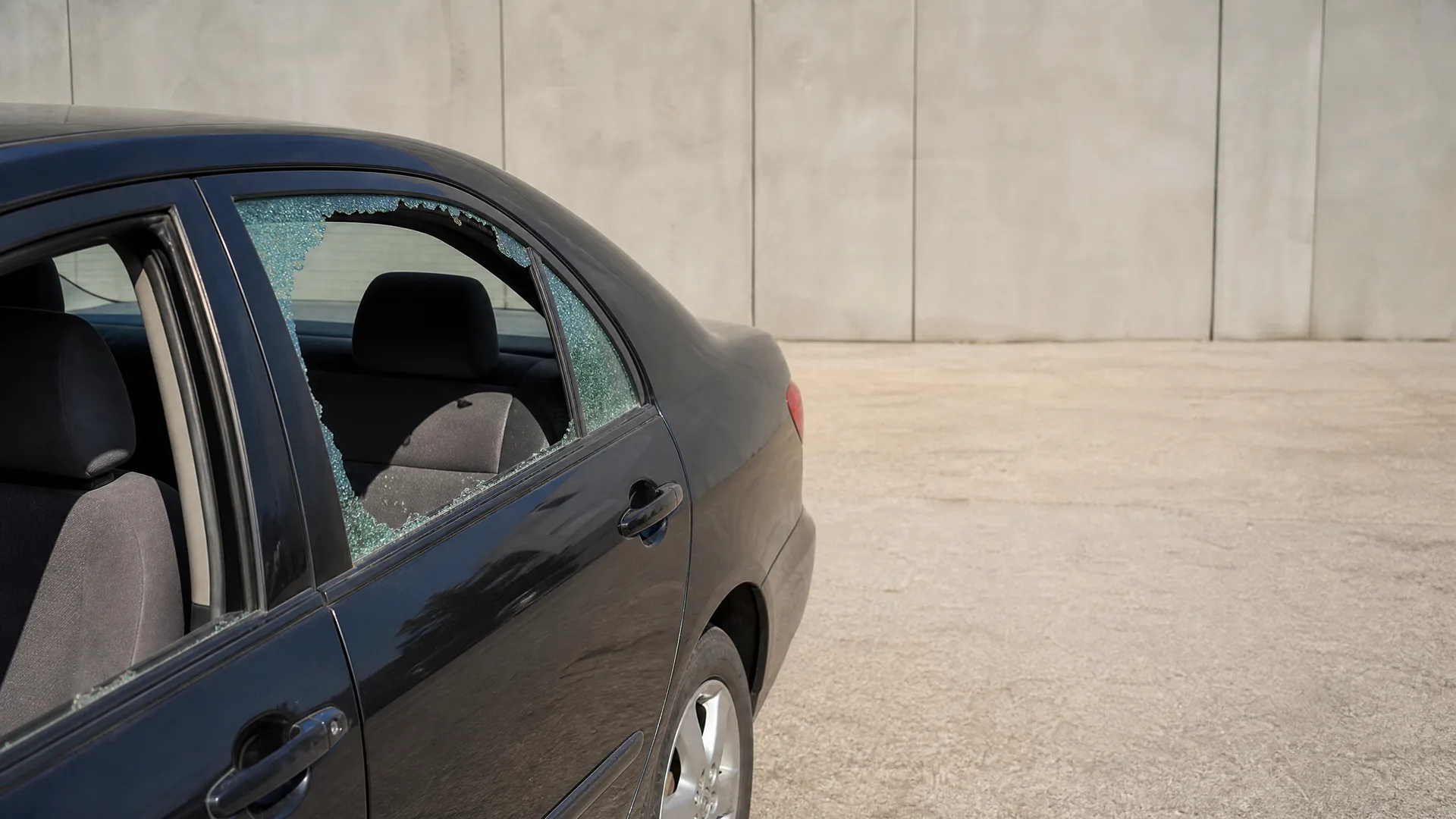
For most people who drive rarely, this is still worth keeping
Driving less doesn't make the risk of an uninsured driver disappear. The crash that matters here isn't one you cause by driving too much, it's one caused by someone else, and that can happen on a short trip to the pharmacy just as easily as on a long commute.
What matters more than how much you drive is what you'd be able to cover on your own if you were seriously hurt by someone with no insurance. Medical costs from a serious crash can run far beyond what most households carry in savings, and at this age recovery often takes longer and costs more. This coverage exists for exactly that gap.
The car itself matters less than the body in it. Even if your car is older, paid off, and wouldn't be expensive to replace, your medical costs from a crash aren't tied to the value of the car. That part of the decision is really about your health and your finances, not your vehicle.
Where it sits and how often it moves can still affect the price, since a car that's driven rarely and kept in a garage is statistically less likely to be in a crash. But rarely driving doesn't eliminate the risk that someone else, driving uninsured, causes the one crash you're in.
What happens when you actually use it
A deductible may apply to the property damage portion of this coverage, depending on how your policy is set up, though it typically doesn't apply to the medical or injury portion. Check your declarations page to see which parts carry one.
When you file a claim, your insurer investigates who was at fault and confirms the other driver had no insurance or not enough. This can take some back and forth, especially in a hit and run where there's no other insurer to coordinate with.
The payment covers your medical bills and, if it applies to your policy, your car repairs or replacement value, up to what your policy allows. It does not pay for the other driver's damage or injuries, and it won't replace lost income unless that's specifically part of your coverage.
Have your police report, medical records, and any repair estimates ready. If the other driver was never identified, documentation of the attempt to find them, like a report filed at the scene, matters a great deal to how smoothly the claim goes.
Uninsured motorist coverage vs. collision coverage
Uninsured motorist coverage
This pays when another driver is at fault and has no insurance or not enough of it. It focuses on compensating you for a situation you didn't cause and the other side can't pay for.
Collision coverage
This pays to repair or replace your car after a crash regardless of who caused it, including if you're at fault or if the damage happens with no other car involved. It doesn't address your medical bills at all.
If you want your car repaired no matter whose fault the crash was, collision is what does that. If you're worried about what happens when someone else's lack of insurance leaves you with no one to collect from, that's what uninsured motorist coverage is for.
Real situations
You're stopped at a light and a driver without insurance rear-ends you, leaving you with neck injuries and a totaled car.
This pays, since the other driver was at fault and uninsured.
A hailstorm damages your car while it's parked at church on a Sunday morning.
This doesn't pay, since there's no other driver involved. Comprehensive coverage would handle that instead.
A driver swerves to avoid a deer at dusk on a county road, loses control, and hits your car, and it turns out they let their insurance lapse months ago.
This pays, because the other driver was at fault and had no active insurance at the time.
Now that you know whether this coverage still fits how you drive, compare quotes to see what it costs to keep it, add it, or adjust it.
Questions people ask about this
Do I still need uninsured motorist coverage if I own my car outright?
Yes, because this coverage is mainly about your injuries, not your car's value. Owning the car outright affects whether you need collision coverage, but it doesn't change your exposure to a crash caused by an uninsured driver.
Can I be sued by an uninsured driver who hits me?
It's unlikely, since they were the one at fault. The more common problem is the opposite, you having no way to recover your own costs from them, which is exactly what this coverage addresses.
Does uninsured motorist coverage follow me or just my car?
It generally follows you as a named driver, which means it can apply even if you're a passenger in someone else's car or, in some policies, if you're hit as a pedestrian. Check your policy's definitions section, since wording varies.
Will my rates go up if I file an uninsured motorist claim?
It depends on your insurer and your state, since some treat these claims as not your fault and don't raise rates because of them. Ask your agent directly how your policy handles it before you file.
Is uninsured motorist coverage required where I live?
That depends on your state, since some require it and others only require insurers to offer it. Check your policy or ask your agent what applies where you live.