Underinsured Motorist Coverage for Seniors
Underinsured motorist coverage pays you when the other driver caused the crash but didn't carry enough insurance to cover what you lost.
What this coverage pays for
Covers
- Your medical bills If the at-fault driver's liability limit runs out before your bills do, this coverage picks up what's left.
- Lost income If the crash keeps you from working and the other driver's insurance can't cover the gap, this steps in.
- Pain and suffering This covers the harder-to-price part of a serious injury, not just the medical bills themselves.
- A passenger's injuries Someone riding with you who's hurt by an underinsured driver can be covered the same way you are.
- You as a pedestrian or cyclist If an underinsured driver hits you while you're walking or riding a bike, this coverage can still apply.
- A hit-and-run, in some policies Depending on how your policy is written, a driver who flees the scene may be treated as uninsured or underinsured.
Doesn't cover
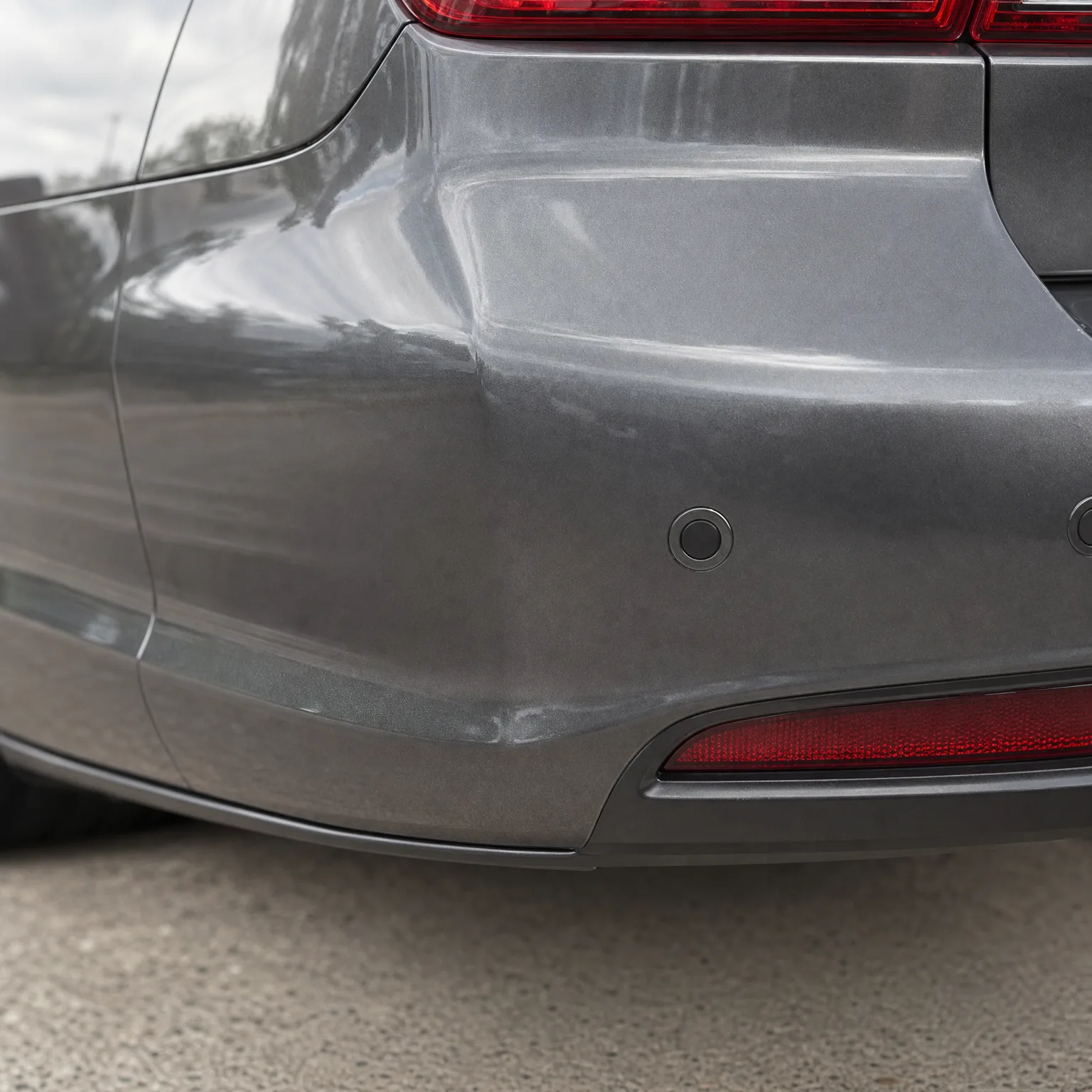
- Damage to your car That's handled by collision coverage, not this one. This coverage is about injuries, not vehicle repair.
- Your own driving mistakes This only applies when the other driver is at fault. If you caused the crash, your liability coverage is what responds.
- An accident with no other driver involved If you hit a tree or a guardrail alone, there's no at-fault driver to be underinsured, so this doesn't come into play.
- Full replacement of everything you lost The payout is capped by the limit you chose, so a severe injury can still cost you more than the policy pays.
- Punitive damages against the other driver This coverage is about making you whole, not punishing the other driver, so those amounts generally aren't part of it.
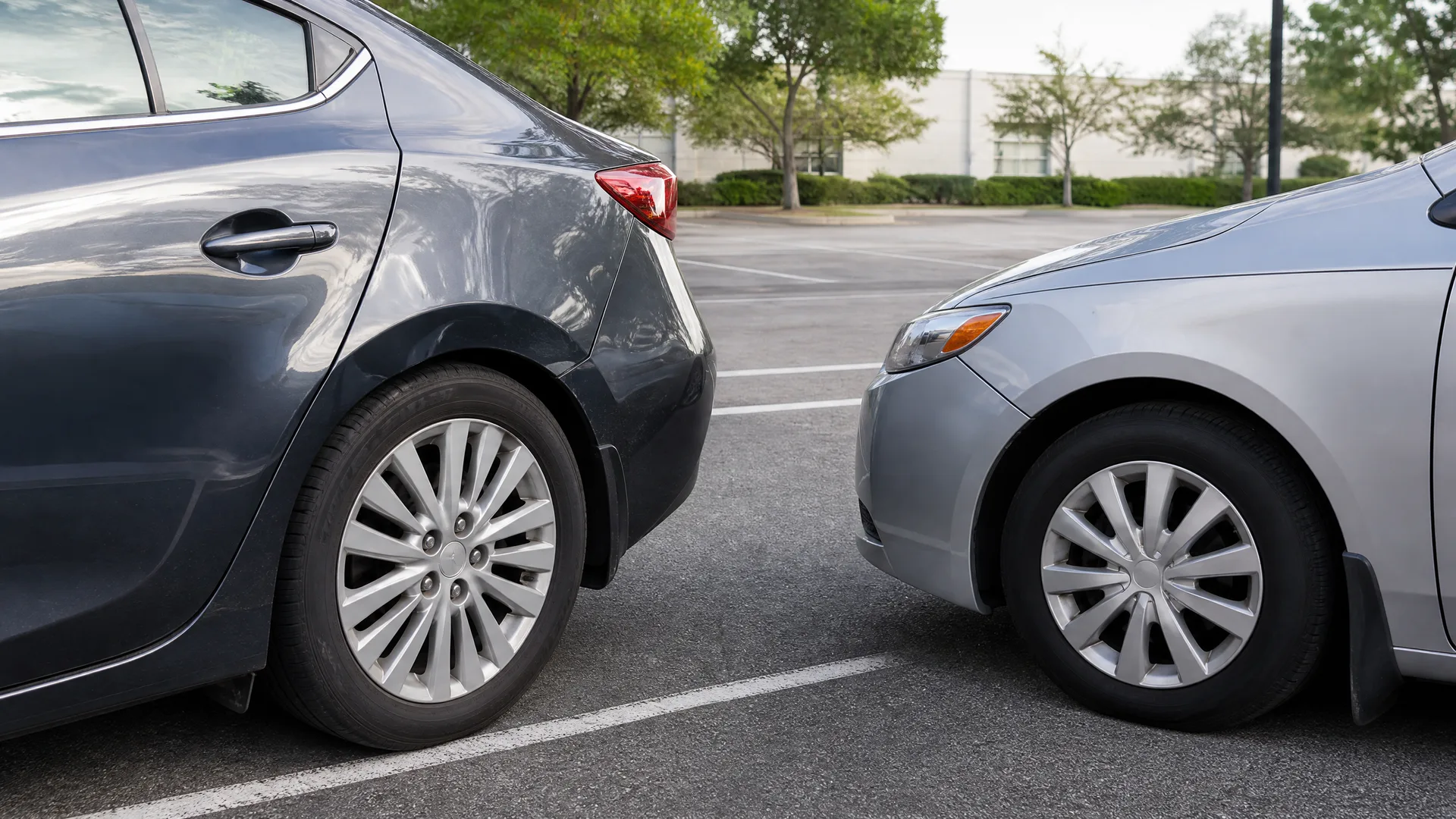
For most older drivers, this coverage is worth keeping and often worth raising
Start with what a serious injury would actually cost you. A broken hip or a long hospital stay at this age tends to run longer and cost more than it would for someone younger, and if the other driver doesn't carry enough insurance, that gap lands on you.
Look at what you could absorb from savings without changing how you live. If a shortfall of any size would mean selling something or leaning on your children, that's the clearest sign this coverage is doing real work for you.
How much you drive matters less than it used to, but it isn't nothing. Even someone who mostly drives to church, the store, and a grandchild's house is still exposed every time they're on the road with other drivers, and plenty of underinsured drivers are on quiet roads too.
Where the car sits overnight and who else drives it also plays in. A car parked on the street in a busy area or shared with an adult grandchild carries more exposure than one that sits in a garage and is driven mostly by you.
How a claim actually works
You first find out the at-fault driver's liability limit, usually after their insurer processes the claim or you ask directly. If their limit doesn't cover your medical costs and losses, you turn to your own underinsured motorist coverage for the difference, up to your own limit.
Your insurer will ask for documentation, medical records, bills, proof of lost income, and a clear account of the crash. Because you're filing against your own policy, you're dealing with your own insurer rather than the other driver's, which usually moves faster and involves less back and forth.
The payment covers injury-related costs, not the car itself. If you also have collision coverage, that's a separate claim and often a separate deductible, so expect two tracks running at once if your vehicle was damaged too.
Have your policy limits, the crash report, and your medical paperwork ready before you call. Knowing the other driver's limit, once it's available, helps you and your insurer settle the gap without guessing.
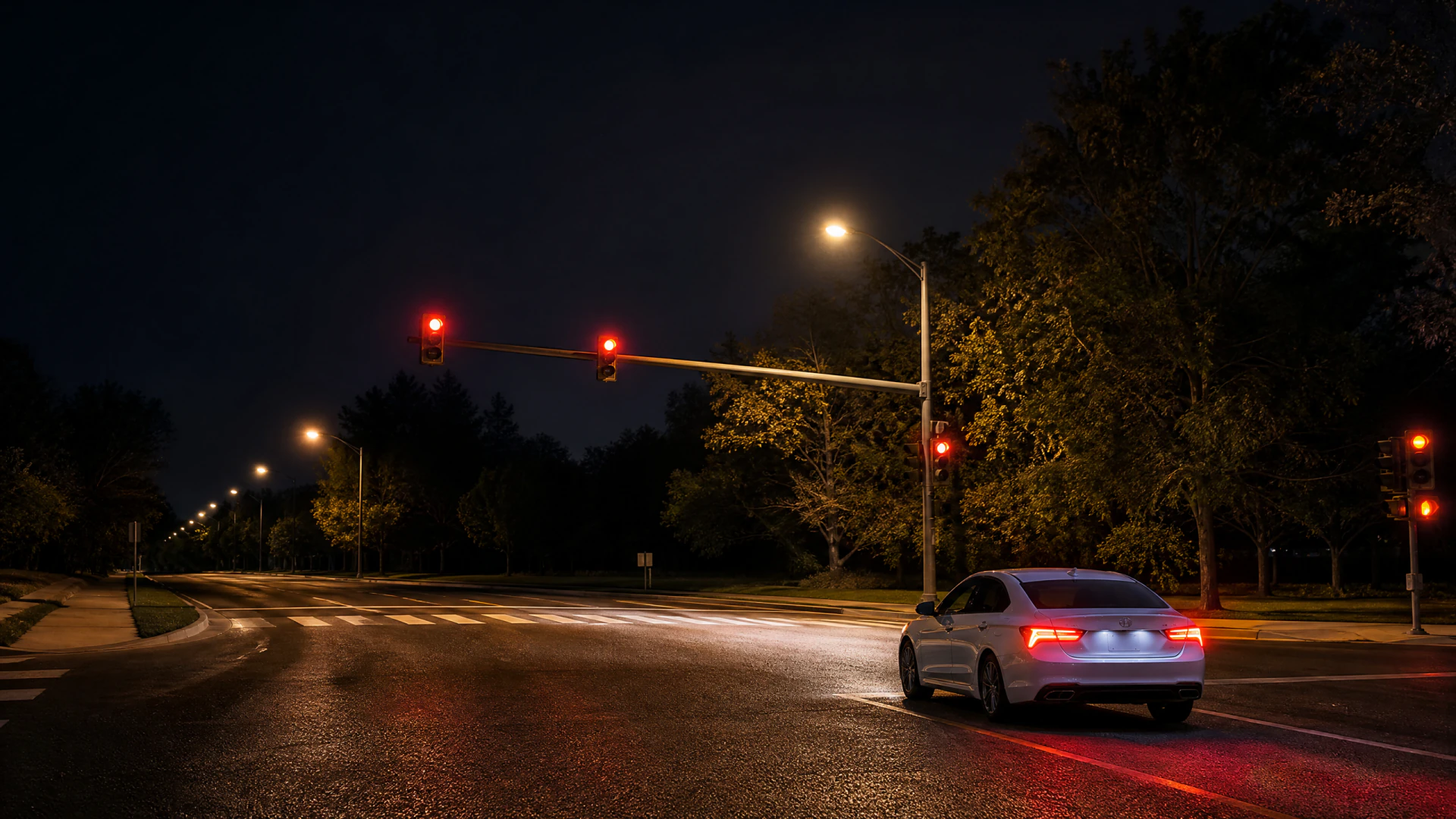
Underinsured motorist coverage versus uninsured motorist coverage
Underinsured motorist coverage
This applies when the other driver has insurance, but their limit isn't enough to cover what you lost. You're filing a claim against your own policy to make up the difference.
Uninsured motorist coverage
This applies when the other driver has no insurance at all. It works the same way otherwise, stepping in to cover your injuries and losses when there's nothing from the other side to draw on.
Most drivers carry both together since you can't know in advance which situation you'll end up in, and many states bundle them into one coverage anyway.
Real situations
You're stopped at a light and a driver in an old pickup rear-ends you hard enough that you need follow-up care for months. Their insurance has a low liability limit that gets used up fast.
This coverage pays the remaining medical costs once the other driver's limit is exhausted.
A deer runs into the road at dusk on a county highway and you swerve into a ditch with no other car involved.
This coverage doesn't pay here since there's no other driver at fault, this is a collision or comprehensive claim instead.
Hail hits your car while it's parked in a church lot during a Sunday service, denting the hood and cracking a mirror.
This coverage doesn't apply to weather damage, that falls under comprehensive coverage.
Once you know whether to keep, raise, or adjust this coverage, you can compare quotes with that limit already decided instead of guessing at it.
Questions people ask about this
How much underinsured motorist coverage should I carry?
Most people match it to their liability limit so there's no awkward gap between what you'd pay out and what you could collect. Beyond that, think about what you could cover from savings without strain, since that gap is exactly what this coverage is meant to close. Your agent can show you how the cost changes at different limits so you can weigh it yourself.
Does underinsured motorist coverage follow the car or the person?
It generally follows you as a named driver, not just the specific car. That means it can apply whether you're in your own car, a family member's car, or sometimes as a pedestrian, though the exact wording depends on your policy. Check your declarations page or ask your agent to confirm how your policy defines it.
Can I be denied underinsured motorist coverage because of my age?
No, this coverage isn't priced or denied based on age the way some health products are. What can change your cost is your driving record and how the coverage is structured, not how old you are. If you're seeing a steep price change, ask your agent to walk through exactly what's driving it.
Do I still need this coverage if I rarely drive anymore?
Most people still benefit from keeping it even with limited driving, since the risk comes from other drivers, not from your own mileage. You're still exposed any time you're on the road, visiting a doctor, or riding with someone else in some policy setups. If your driving has dropped a lot, it's worth asking whether other parts of your policy should change too, rather than dropping this one coverage alone.
What happens if the at-fault driver has no insurance instead of too little?
That situation falls under uninsured motorist coverage instead, which works much the same way but applies when there's no insurance to draw from at all rather than too little. Many policies bundle the two together, so check your declarations page to see if you already have both. If you only have one, ask your agent whether adding the other makes sense for you.