Stacked Uninsured Motorist Coverage
Stacked uninsured motorist coverage lets you combine the uninsured motorist limits from each vehicle on your policy into one larger pool for a single claim.
What stacking actually adds
Covers
- Combined limits across vehicles If you insure three cars, your uninsured motorist limit can multiply by three for a serious injury claim.
- Injuries from an uninsured driver Pays for your medical bills and related losses when the at-fault driver has no insurance at all.
- Injuries from a hit-and-run Treated the same as an uninsured driver claim since the other party can't be identified or billed.
- Underinsured gaps If the other driver has some insurance but not enough to cover what you're owed, the stacked amount can make up the difference.
- You as a passenger or pedestrian The coverage follows you, so it can apply even when you're not the one driving or not in a car at all.
Doesn't cover
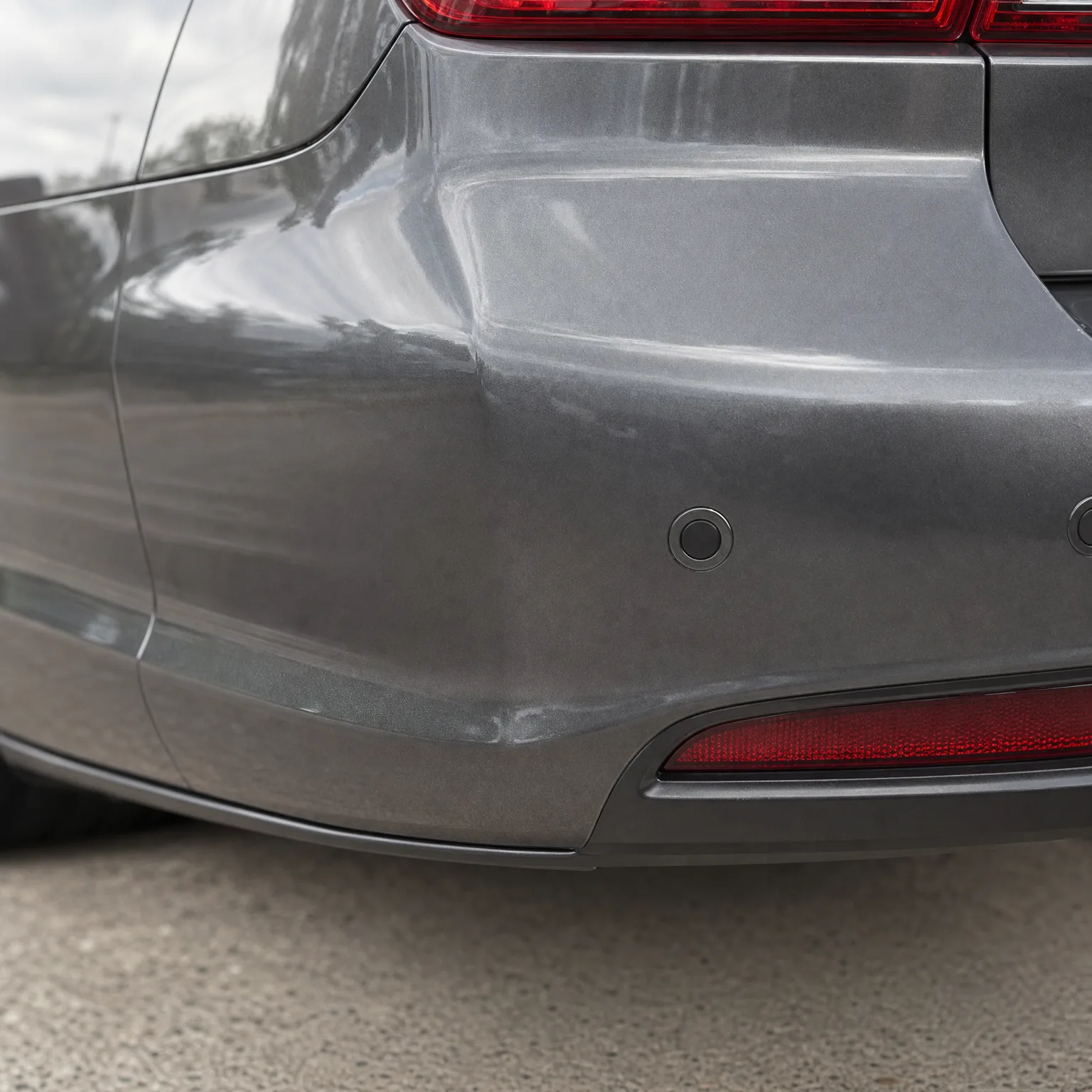
- Damage to your own car Vehicle damage from an uninsured driver is handled by collision coverage, not this one.
- Your own at-fault accidents This coverage only responds when the other driver is uninsured or underinsured, not when you caused the crash.
- Medical bills regardless of fault That's personal injury protection or medical payments coverage, which pays no matter who caused the accident.
- Property damage from an uninsured driver Some states offer a separate property damage version of this coverage, and it varies by state whether that's automatic or optional.
- Stacking across separate policies Stacking usually applies to vehicles on one policy, not across policies you or a household member hold separately.
For most drivers carrying more than one car, yes, it's worth keeping
Stacking costs you little extra for a real increase in protection, and that math gets better the older you get. A serious injury from an uninsured driver can run far higher than a single vehicle's unstacked limit would cover, and at an age when recovery takes longer and medical costs pile up faster, that gap matters more than it did at thirty.
What matters most is how many vehicles you actually insure on the policy. If you're down to one car because a spouse stopped driving or you sold a second vehicle, there's nothing left to stack, and the point is moot no matter what the policy still says.
How much you drive factors in too. Someone who still commutes or drives long distances to see grandchildren faces more exposure than someone who takes the car out twice a week. If your driving has shrunk to short local trips, the odds of a serious uninsured motorist claim shrink with it, even though they never hit zero.
Whether you could absorb a bad outcome from savings is the real question underneath all of this. If a serious injury with no payout behind it would strain your finances or your family's, stacking is cheap insurance against that. If you have enough set aside to self-insure that risk entirely, it still rarely costs enough to be worth dropping.
How a claim under this coverage actually goes
You first have to establish that the other driver had no insurance or not enough, which usually means a police report and sometimes a direct inquiry to their insurer. Your own insurer then steps in, and because this is your policy responding on your behalf rather than someone else paying you, it can feel different from a typical claim, sometimes closer to a negotiation with your own company.
A deductible may apply depending on how your policy is written, and it varies by state and by policy whether that deductible exists at all for this coverage. Check your own policy for that detail rather than assuming it matches collision.
The payout covers medical expenses, lost income, and related losses tied to the injury, up to the stacked limit. It doesn't cover your vehicle's damage, which needs collision coverage to be repaired or replaced.
Have the police report, medical records, and any correspondence with the other driver's insurer ready before you file. Keep your own notes on how the accident happened too, since details fade and the claim can take a while to settle.
Stacked versus unstacked uninsured motorist coverage
Stacked Uninsured Motorist Coverage
Combines the per-vehicle limit across all cars on your policy into one total available for a single claim. It costs a bit more but multiplies your protection if you insure more than one vehicle.
Unstacked Uninsured Motorist Coverage
Caps your payout at the limit for a single vehicle regardless of how many cars you insure. It's less expensive but leaves less room if the injury is serious.
If you insure two or more vehicles and want real protection for a severe injury, stacking is usually worth the small added cost, while a single-car household has nothing to gain from it.
Real situations
You're stopped at a light and a driver with no insurance rear-ends you hard enough that you need physical therapy for months afterward.
This coverage pays, since the stacked limit applies directly to an uninsured driver's injury claim.
A hailstorm hits while your car sits in the church parking lot during a service, denting the hood and cracking the windshield.
This coverage doesn't pay, since it only responds to injuries from uninsured drivers, not weather damage to the car.
A deer runs into the road at dusk on a county highway and you swerve into a ditch trying to avoid it, with no other driver involved.
This coverage doesn't pay, since no other driver was involved, and this kind of loss falls under comprehensive coverage instead.
Once you know whether stacking still fits how many cars you insure and how you drive them, you're ready to compare quotes with that figured out ahead of time.
Questions people ask about this
Does stacking cost a lot more than unstacked coverage?
It typically adds a modest amount rather than a large one, since you're combining limits you're already paying for on each vehicle rather than buying new coverage. The exact difference depends on your insurer and state, so ask for both versions quoted side by side. If you only insure one car, there's nothing to compare since stacking has no effect.
Can I stack coverage from my spouse's separate policy onto mine?
Usually not, since stacking generally applies to vehicles listed together on a single policy rather than across two separate policies, even within the same household. Some insurers allow limited exceptions, so check with your own company rather than assuming. This is one of the details that varies by state and by insurer.
Do I need stacked coverage if I already have health insurance?
Health insurance can cover medical treatment, but it won't cover lost income, pain and suffering, or other losses tied to an uninsured driver's negligence the way this coverage can. It also won't help if a passenger or family member in your car is hurt and isn't on your health plan. The two work differently even when there's some overlap in what gets paid.
What happens if the uninsured driver is partly at fault and partly not?
Your payout can be reduced based on how fault is divided, since this coverage generally pays in proportion to the other driver's share of responsibility. How that split gets determined depends on your state's fault rules and the specifics of the accident. A claims adjuster or police report typically settles the question of percentages.
Does filing a claim under this coverage raise my rates the way an at-fault accident would?
It can, though insurers vary widely in how they treat these claims since you weren't at fault for the accident itself. Some treat it more gently than a standard claim, others don't distinguish much. It's worth asking your insurer directly how they handle it before you assume either way.