Should I Chase a Hit and Run Driver
Don't follow the other driver. Note what you can from where you are and call the police.
No, let the driver go and call the police
Chasing a hit and run driver puts you at more risk than the damage already done. You don't know who they are, how they'll react to being followed, or what happens if they stop suddenly or decide to keep running faster. A dented bumper or a scraped door is not worth a crash at higher speed.
What actually helps your claim is what you notice in the moments right after it happens. The license plate, the car's color and make, the direction they went. Write it down or say it into your phone before you forget it. That information, along with a police report, is what your insurer needs. Your own driving decisions in the next few minutes don't change who was at fault, but they can change whether you get home safely.
Whether you have uninsured motorist coverage changes what happens next
If the driver who hit you is never found, your path to getting paid depends heavily on whether your policy includes uninsured motorist coverage. Many states require it, but the rules and the amount of coverage vary by state, so check your own policy or ask your insurer what you're carrying.
Without that coverage, and without the other driver, you may be covering repairs yourself or relying on collision coverage if you have it, which usually comes with a deductible. This is worth checking now, before anything happens, not after.
A police report matters here even if the driver is never caught. Insurers generally want to see one filed for a hit and run claim, and it's also what an investigator would use if the plate or description you gave ever leads anywhere.
What people get wrong about chasing the other car
Some drivers think following the car is the only way to get the plate number or make sure the person doesn't get away. But you can get a plate number, or even a partial one, by staying still and looking carefully, or by asking a nearby witness what they saw. A partial plate combined with the car's description is often enough for police to work with.
Others worry that if they don't chase, the driver simply gets away with it and nothing happens. That's possible, but it's also possible with or without a chase. Police have ways to work from a plate and description that you don't have from your driver's seat, and your own safety isn't something you get back once it's gone.
If you're a passenger and the driver wants to chase, say so plainly. It's a reasonable thing to object to.
Questions people ask about this
What should I do immediately after a hit and run?
Pull over somewhere safe, check if anyone is hurt, and call the police before doing anything else. While you wait, write down what you remember about the other car and look for any nearby witnesses or security cameras that might have caught it.
Will my insurance go up after a hit and run that wasn't my fault?
It depends on your insurer and how the claim is classified, since some treat an at-fault hit and run differently than other claims. Ask your insurer directly how a hit and run where you weren't at fault is handled on your policy.
How do police find a hit and run driver?
They work from whatever you and any witnesses gave them, including the plate, partial plate, car description, and direction of travel, along with any nearby cameras. The more specific the details you can give right after it happens, the more they have to work with.
What if I didn't get the license plate number?
You can still file a police report with whatever description you have of the car and the direction it went. Insurers can still process uninsured motorist claims without a plate number if you have a police report and your own account of what happened.
Does dash cam footage help with a hit and run claim?
Yes, if you have it, dash cam footage can confirm the plate, the other car, and how the crash happened, which helps both the police report and your insurance claim. Save the footage right away since some dash cams overwrite older recordings automatically.
See how a hit and run claim might affect what you pay before you decide on coverage.
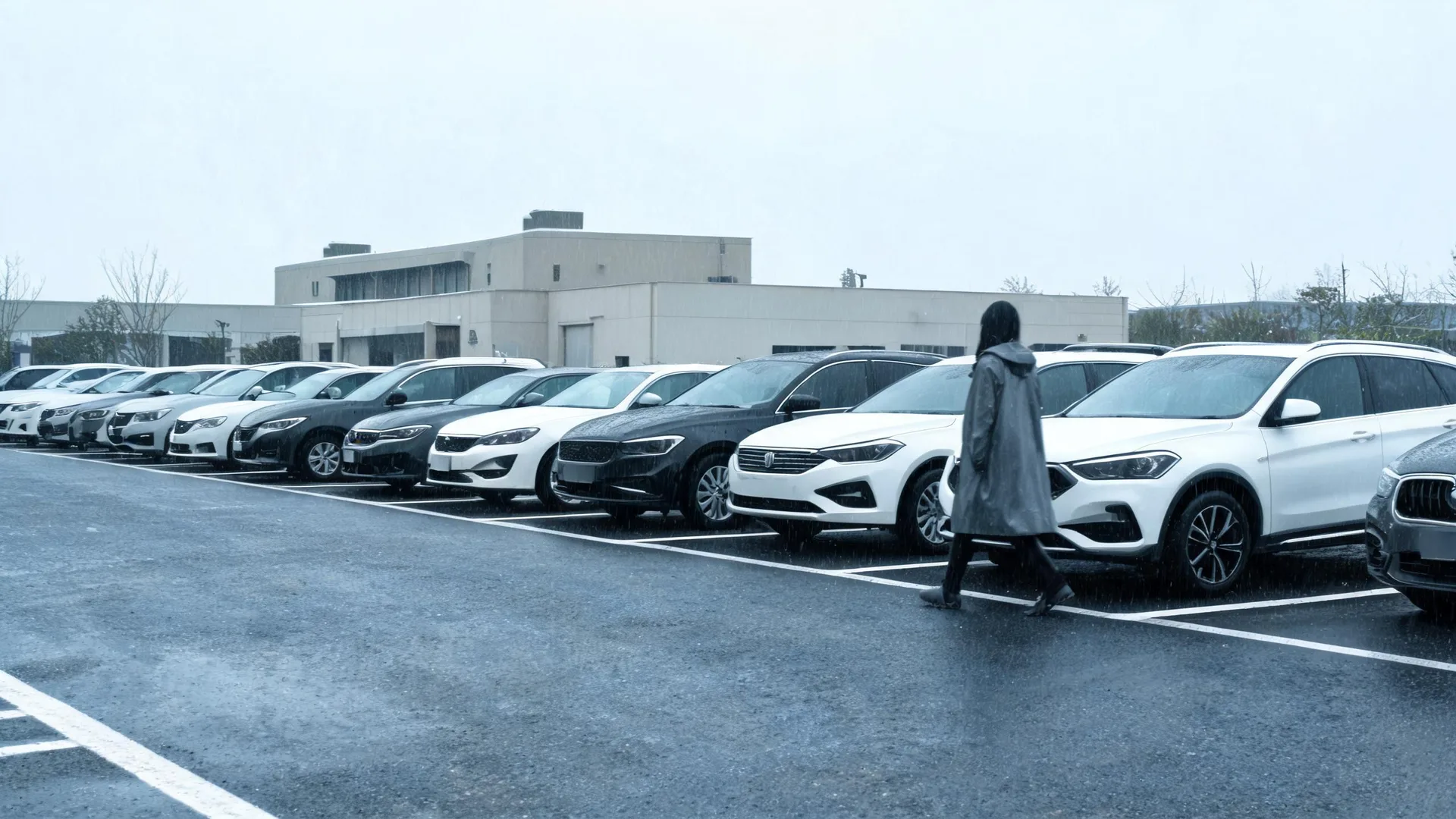
Call the police before you do anything else, even for minor damage, since you'll likely need that report for your insurer. While you wait for them, write down everything you remember about the other car, including the plate if you got it, the color, the make, and which direction it went. Ask anyone nearby if they saw it and get their contact information. Call your insurer the same day and ask specifically how your policy handles a hit and run where the other driver isn't found. If you're not sure whether you have uninsured motorist coverage, this is the moment to find out, not after another incident.