How Do I File an Uninsured Motorist Claim
You file with your own insurer, not the other driver's, and what happens next depends on your state and your policy.
Call your own insurer and give them what you have
You file an uninsured motorist claim through your own insurance company, even though you didn't cause the accident and did nothing wrong. This coverage exists on your policy for exactly this situation, so you start with your agent or your insurer's claims line, not with the other driver or their insurer, since there likely isn't one to call.
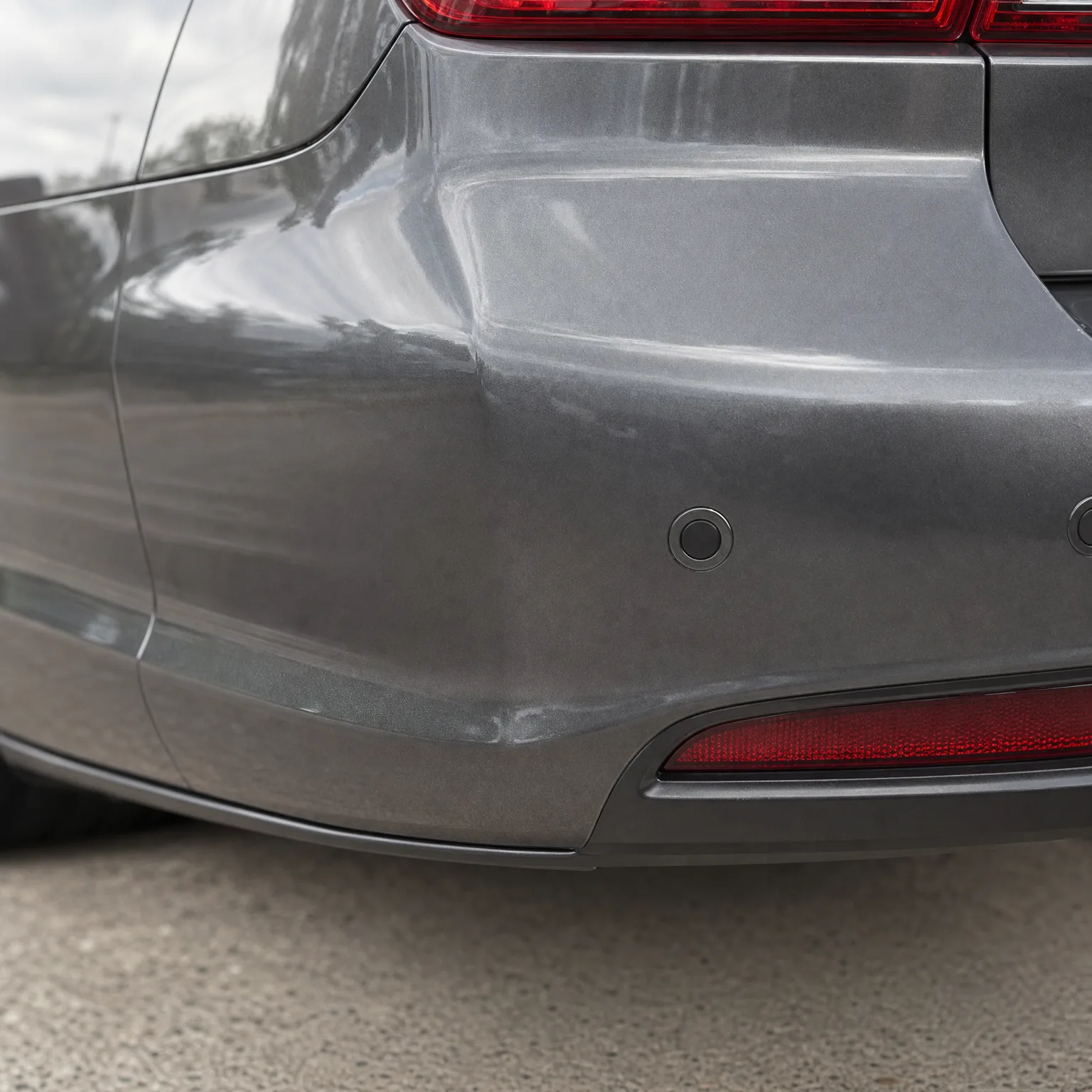
Have the police report, photos of the damage, and any contact information you got from the other driver, even a license plate number if that's all you have. Your insurer will ask what happened and will want to confirm the other driver had no insurance or couldn't be identified, so the more documentation you bring to that first call, the smoother it goes.

Your state decides how this coverage works
Some states require insurers to offer uninsured motorist coverage, and in a few it's required on every policy unless you reject it in writing. In other states it's optional, which means your parent's policy might not carry it at all, and that's the first thing to check before filing anything.
States also differ on whether this coverage pays for medical bills only, or for medical bills and vehicle damage both. A few states route the vehicle damage portion through collision coverage instead, so the uninsured motorist claim only covers injuries. Your declarations page will say what you're covered for, and if it doesn't make sense, your agent can walk through it with you.
There are also deadlines for reporting a claim and sometimes for formally notifying your insurer that the other driver is uninsured. These deadlines are set by the state or written into the policy, so ask your insurer directly what the window is rather than assuming you have as long as you'd like.
What the claim actually depends on
The claim depends on proving the other driver was uninsured or can't be found, not on proving who was at fault. If fault is contested, your insurer will still investigate it the way they would any claim, which can slow things down.
It also depends on your coverage limits. Uninsured motorist coverage has its own limit, separate from your liability coverage, and that limit caps what the claim can pay out regardless of what your actual costs are. Check your declarations page for that number rather than assuming it matches your liability limit.
If the other driver fled the scene or was never identified, most states still allow a claim, but they usually require some form of a police report and sometimes physical evidence of contact between the vehicles. Ask your insurer what they need in a hit and run situation specifically, since it isn't always the same standard as a claim against a known uninsured driver.
Questions people ask about this
Will my rates go up after an uninsured motorist claim?
This depends on your insurer and your state. Some insurers treat uninsured motorist claims as no fault on your part and won't raise your rate for filing one, while others may factor in any claim regardless of fault. Ask your agent directly how your insurer handles this before you file, if that's a concern.
What if the other driver had insurance but it had lapsed?
A lapsed policy generally counts as uninsured for the purposes of this coverage, since the driver had no active insurance at the time of the accident. Confirm this with your insurer, since they'll need proof the policy wasn't active on that date, which usually means a letter or notice from the other driver's insurer.
Can I still file if the other driver only has liability coverage but not enough to cover my damages?
This situation falls under underinsured motorist coverage rather than uninsured motorist coverage, and it's worth checking whether your policy includes both. If it does, you may be able to claim the difference between what the other driver's insurer pays and what your actual costs are, up to your own policy limit.
Do I need a police report to file this kind of claim?
Most insurers require one, especially if the other driver can't be identified or left the scene. Call the police at the time of the accident if at all possible, since filing a report afterward is harder and some insurers won't accept a claim without one filed close to the time of the incident.
How long does an uninsured motorist claim take to settle?
This varies by insurer and by how clear the facts are. A claim with a police report, clear photos, and an identified uninsured driver typically moves faster than a hit and run with no witnesses. Ask your claims adjuster for a general timeline once the claim is open, since they can speak to your specific situation.
If this is the kind of coverage you're not sure you have, it's worth seeing what other policies include before your next renewal.

Pull your current declarations page and look for uninsured and underinsured motorist coverage, along with the limits listed next to each. Call your agent or insurer this week and ask whether that coverage is required in your state or something you added, and what the claims process looks like if you ever need it. If you were just in an accident with an uninsured driver, get the police report filed if you haven't already, gather any photos or contact details you have, and call your insurer's claims line directly rather than waiting. Ask them specifically what documentation they need and what the deadline is for filing in your state.