Does Insurance Cover Hit and Run on a Parked Car
If your parked car gets hit and the driver leaves, your own comprehensive or collision coverage is what pays, not the other driver's insurance.
It depends on which coverage you carry
If you have comprehensive coverage, a hit and run on a parked car is covered. Comprehensive pays for damage your car didn't cause, and a driver who hits a parked car and leaves falls into that category for most insurers. Collision coverage can also pay for this kind of damage, since the claim is really about your car being struck, not about who struck it.
If you only carry liability coverage, which is the minimum most states require, you have nothing to file a claim against. Liability pays for damage you cause to someone else. It doesn't pay to repair your own car under any circumstance, hit and run or otherwise. In that case the only way to get paid is if the other driver is identified and their insurer accepts responsibility.
Whether you carry comprehensive or collision coverage
This is the one thing that decides whether you have a claim at all. Check your policy declarations page for the words comprehensive and collision. If you see both, or either one, you likely have a path to get the damage paid for.
Some policies list comprehensive and collision together under one premium line, others break them out separately. If you're not sure which ones you have, your insurer or agent can tell you in a few minutes, and it's worth knowing before anything happens to your car, not after.
If you carry both, the hit and run claim usually goes through comprehensive rather than collision, since comprehensive doesn't require an at-fault driver to be found. This matters because some insurers treat a collision claim differently on your record than a comprehensive one, even when the accident wasn't your fault either way. Ask your insurer which one they'd apply to a hit and run, since this can vary.
A deductible still applies even when the other driver is at fault. You'll owe your deductible unless the driver is found and their insurer pays the claim instead, or unless your state or policy has a specific waiver for hit and run situations. Ask your insurer whether yours does.
What the police report means for your claim
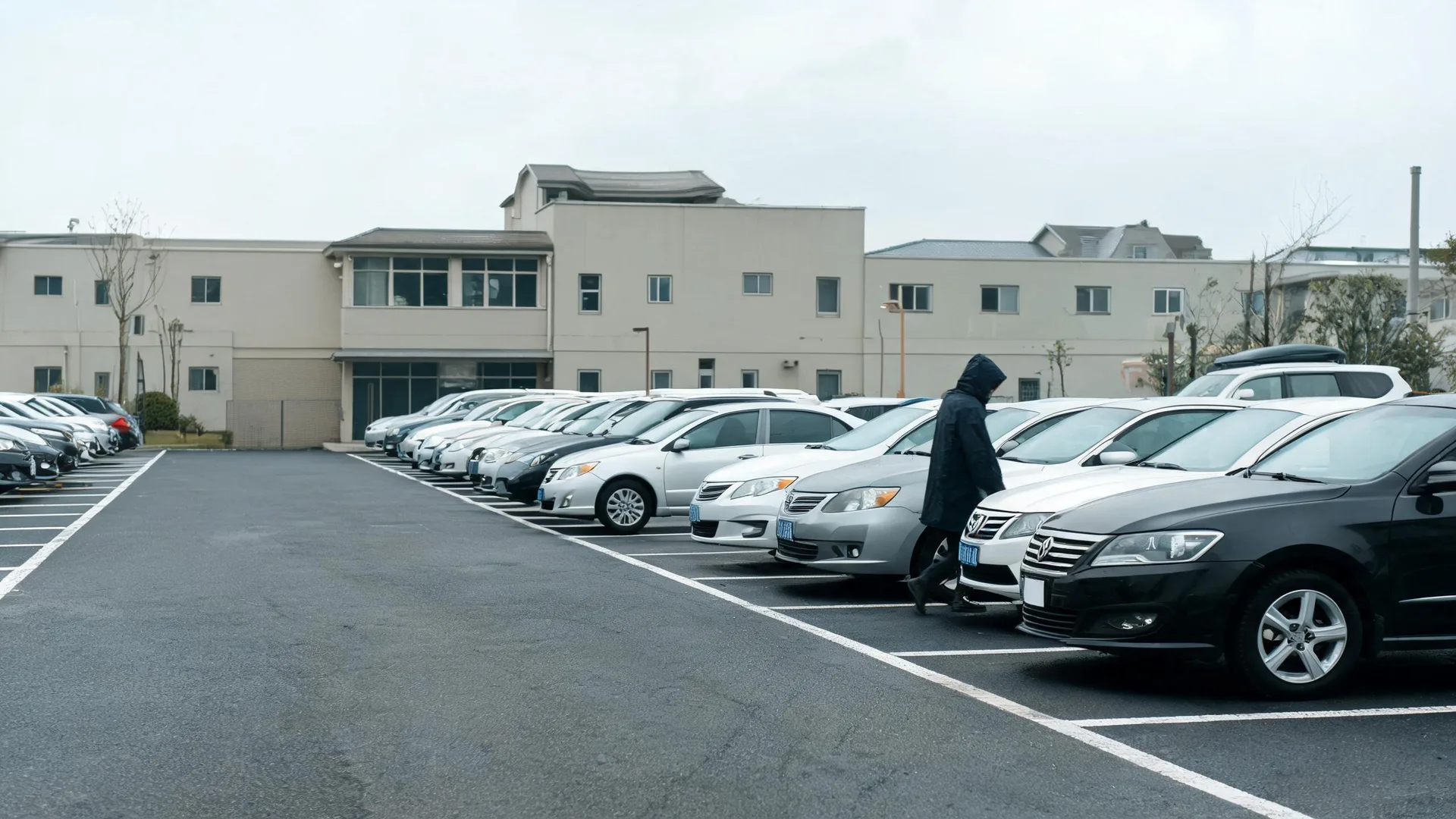
A police report is usually required before an insurer will pay a hit and run claim, even under comprehensive coverage. File one as soon as you find the damage, even if you think there's little chance of finding the other driver. The report is what proves to your insurer that this was a hit and run and not simply unexplained damage.
Witnesses, security camera footage from nearby buildings, and any paint transfer or debris left at the scene all help the report and the claim. None of this is required, but each piece makes the claim easier to process and harder to question.
If the other driver is later identified, your insurer may seek reimbursement from that driver's insurance company on your behalf, which can include getting your deductible back. This isn't guaranteed and depends on whether the driver is found and whether they carry insurance themselves.
Some states require you to report a hit and run to police within a set window of time for it to count toward an insurance claim. Check with your state's DMV or your insurer about what that window is where you live.
Questions people ask about this
Will my insurance rates go up after a hit and run claim on a parked car?
Many insurers treat a hit and run the same as any not-at-fault claim, especially when it's filed under comprehensive coverage, so it often doesn't raise your rate the way an at-fault accident would. This varies by insurer, so ask yours directly how they handle it before you file.
What should I do right after finding my parked car was hit?
Take photos of the damage and the surrounding area before you move the car, then file a police report. Look for witnesses or nearby security cameras, and contact your insurer as soon as you have the report number, since most claims require one.
Does it matter where the car was parked when it was hit?
It can affect how easy the claim is to support, since a hit in a monitored lot or garage is more likely to have camera footage than one on a quiet street. The coverage that applies, comprehensive or collision, works the same regardless of where the car was parked.
Can I find out who hit my car myself?
You can look for witnesses, nearby cameras, or paint left on your car, but any evidence you gather should go to the police, not be acted on alone. Identifying the driver yourself doesn't change which coverage pays your claim.
What happens if the other driver is found after my claim is paid?
Your insurer may pursue the other driver's insurance company for reimbursement, which can include your deductible, but this depends on whether that driver carries insurance and accepts fault. Ask your insurer what happens in your case if the driver is later identified.
Before you file a claim, it helps to know what your current policy would actually pay if this happened again.
Find your policy declarations page and check whether you carry comprehensive or collision coverage, since one of these is what pays for a hit and run on a parked car. If you're not sure, call your insurer and ask directly which coverage applies and what your deductible would be. File a police report as soon as you discover the damage, even before you call your insurer, since most claims require one. Take photos of the damage and the area around your car while it's fresh. If you don't currently carry comprehensive or collision coverage, this is a good week to compare what it would cost to add it.