Hit and Run Accidents
If you're hit by a driver who flees, your own insurance may still cover the damage, depending on what coverage you carry.
Your uninsured motorist coverage is what usually pays
If someone hits your car and drives off, the other driver's insurance can't help you because you can't identify them. What pays instead, if anything does, is your own policy. Specifically the uninsured motorist coverage, since a driver who flees is treated the same as a driver who was never insured.
Not every policy carries this coverage, and in some states it's optional. If you don't have it, you may be left paying for your own damage out of pocket, or relying on collision coverage if you carry that separately. Check your declarations page or call your agent to see which of these you have before you assume either one applies.
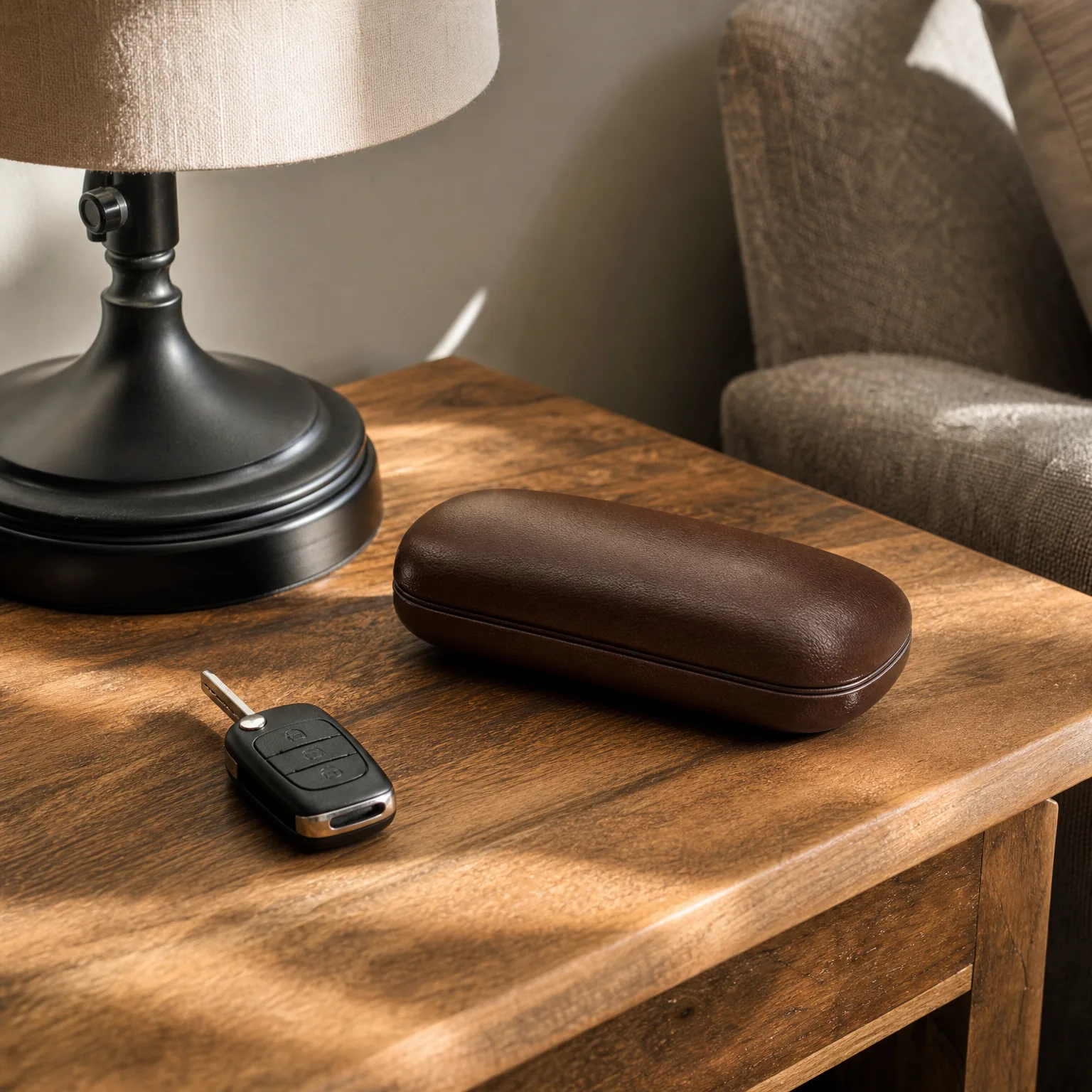
Whether you report it right away
Insurers and police both expect a hit and run to be reported quickly. Waiting even a day or two can make an insurer question whether the damage happened the way you say it did.
File a police report as soon as you can, even if you think there's little chance of finding the other driver. The report itself is often what your insurer needs to open a claim under your uninsured motorist or collision coverage.
If you saw any part of the other car, a plate number, a color, a direction it turned, write it down immediately. Even a partial plate can help police and gives your insurer something to point to when reviewing the claim.
Some policies set a deadline for reporting an accident. Ask your agent what yours requires so a late report doesn't become a separate reason for denial.
What it does to your record and your premium
A hit and run you didn't cause is different from an at-fault accident, but it can still affect your premium. That depends on your insurer and on which coverage pays the claim.
Some insurers treat a claim paid under uninsured motorist coverage as not your fault, since you didn't cause the accident. Others weigh any paid claim, regardless of fault, when they set your renewal premium. Ask your insurer directly how they classify this kind of claim.
If the other driver is later identified and found at fault, your insurer may be able to recover what they paid you from the other driver's insurer. That process, called subrogation, can sometimes reduce or reverse any premium increase, so it's worth asking your insurer to revisit your premium if the at-fault driver is found.
Questions people ask about this
What if the police never find the other driver?
Your claim can usually still proceed under your own uninsured motorist or collision coverage even without an identified driver. The police report documenting the accident is typically what your insurer needs, not a named suspect. Ask your insurer what documentation they require if no driver is ever found.
Does collision coverage cover a hit and run?
Collision coverage can pay for the damage to your car regardless of who caused the accident, including a hit and run. You'll likely pay your deductible first, since collision claims work that way regardless of fault. Check your policy to see whether you carry collision coverage and what your deductible is.
Will my insurance drop me after a hit and run?
Being the victim of a hit and run is not something insurers typically use to cancel a policy, since you didn't cause the accident. Nonrenewal decisions vary by insurer and by state, so if you're concerned, ask your insurer directly how a claim like this factors into their renewal decisions. Keeping a clean record afterward is the best way to avoid any further scrutiny.
Should I get a dash cam after a hit and run?
A dash cam can give you evidence, like a plate number or a clear view of the other vehicle, if it happens again. It won't prevent a hit and run but it can make a future claim faster to resolve. Some insurers offer a discount for having one, so ask yours if that applies.
What if I was a pedestrian or cyclist in a hit and run?
The same principle applies. Your own auto policy's uninsured motorist coverage may extend to you as a pedestrian or cyclist struck by an unidentified driver, depending on your state and your policy. Health insurance may also cover your medical costs separately. Ask your insurer directly whether your policy extends to incidents where you weren't driving.
See what coverage you'd need to be protected if this happens to you.
Pull out your policy's declarations page and check whether you carry uninsured motorist and collision coverage. If you're not sure, call your agent this week and ask directly, since this is what determines whether a future hit and run is covered at all. If you've already been in one, make sure you filed a police report and ask your insurer how they classify the claim for premium purposes. If the other driver is later identified, follow up with your insurer about whether any premium increase can be reversed.