Can You Get in Trouble for a Hit and Run in a Parking Lot
Driving away after you hit a parked car or another vehicle in a lot is still a hit and run, even if no one saw it happen.
Yes, leaving the scene counts as a hit and run
Most states treat a parking lot crash the same as one on the road. If you hit another car, a cart corral, a light pole, or anything else and leave without doing anything, you've left the scene of an accident. The law doesn't ask whether anyone was hurt or whether traffic was involved.
What changes is how serious the trouble is. A fender bender with no injuries is usually a misdemeanor where you'll face a fine or points on your license. If someone was hurt, even a pedestrian walking to their car, the charge gets more serious. Either way, the obligation is the same: stop, and try to find or notify the other owner.
What the law actually requires you to do
Most states require you to make a reasonable effort to find the other driver or owner before you leave. If they're not around, that usually means leaving a note with your name and contact information, and in some states, reporting the accident to the property owner or local police within a set time.
Simply driving off because no one was watching doesn't change what happened. If the other owner has a security camera, a witness, or your license plate from a dash cam, it's not hard to trace the car back to you. Once that happens, what could have been a small claim becomes a criminal one.
The exact rules on notice and reporting are set by your state, so if this already happened to you, it's worth checking your state's vehicle code or calling a local police non-emergency line to ask what's required next.
What it costs you even without criminal charges
Even if no one presses charges, a hit and run shows up differently on your insurance than an at-fault accident you reported. Insurers see a driver who didn't stop as a bigger risk than one who did, and that can affect your rate at renewal regardless of the dollar amount of the damage.
If you're caught later, after already driving away, most insurers will also ask why you didn't report it right away. Leaving the scene can affect how your insurer handles the claim itself, since reporting promptly is usually a condition of your policy.
The better outcome, in terms of both your driving record and your insurance, is almost always to report it yourself before anyone has to track you down.
Questions people ask about this
What happens if I hit a parked car and no one is around?
You're still expected to try to find the owner or leave a note with your contact information. If you can't locate them, check your state's requirements for reporting the accident to local police within a set time.
Can a parking lot hit and run show up on a background check?
A criminal conviction for leaving the scene can show up on a background check, since it's a criminal offense in most states rather than just a traffic violation. Whether it does depends on the charge and your state's record-keeping.
Will my insurance still cover damage if I didn't report it right away?
It depends on your policy and your insurer. Most policies require you to report accidents promptly, so a delay can complicate a claim. Ask your insurer directly how they handle late-reported incidents.
Does a parking lot accident affect my insurance if it wasn't my fault?
An accident that wasn't your fault shouldn't raise your rate the way an at-fault one can, but how an insurer classifies it depends on the company and the details of the claim. Ask your insurer how they categorize it.
How long do police have to charge someone for a hit and run?
That depends on your state's statute of limitations for the specific charge, which varies based on whether it involved injury or property damage only. Check your state's vehicle code or ask a local attorney for specifics.
If this is already affecting your insurance search, it helps to see how different insurers would handle your situation.
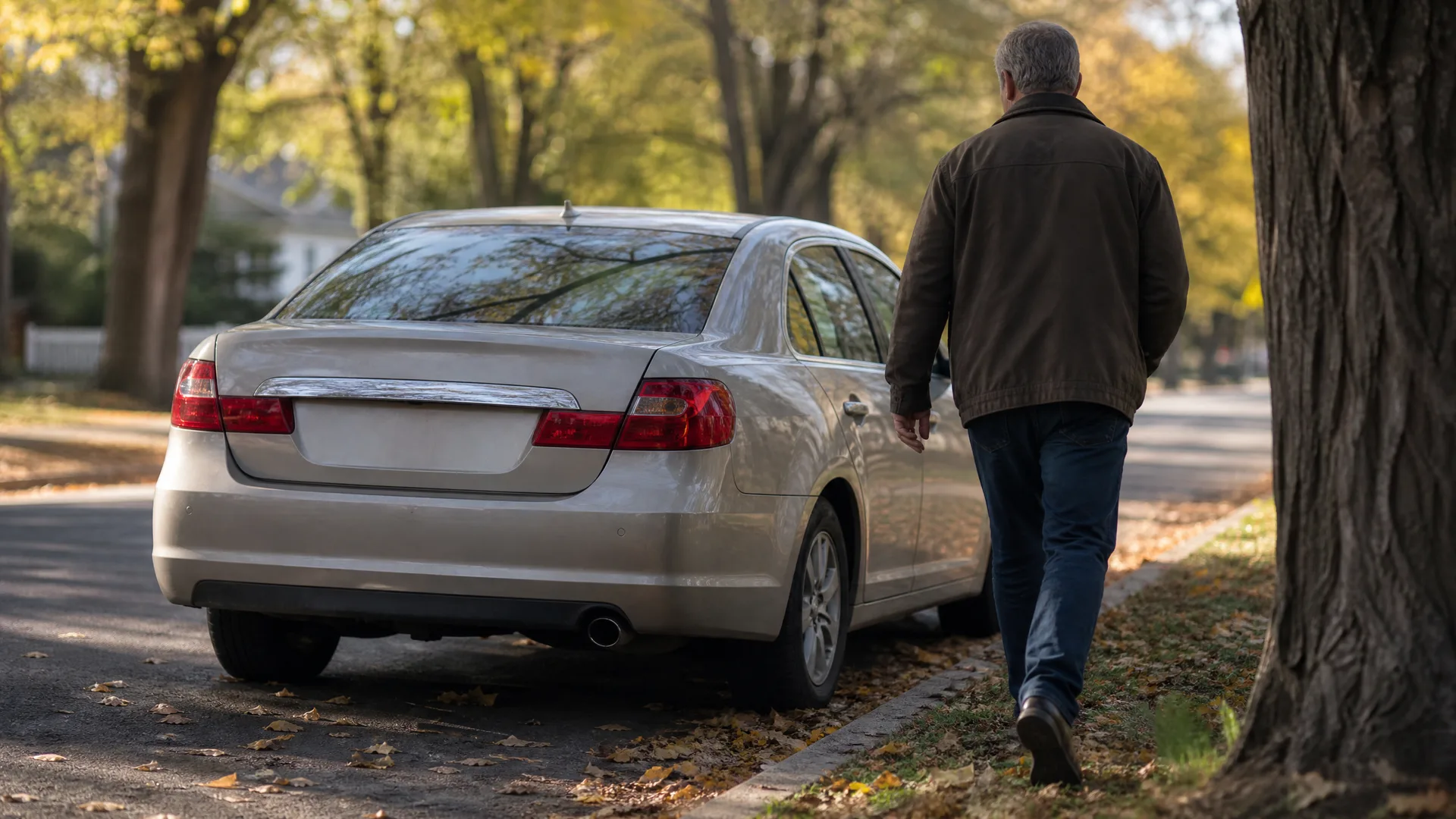
If this already happened, call your insurer this week and explain what happened, even if you've already reported it to police. Have the date, location, and any note or report you filed on hand. Ask directly how it will be classified on your record and whether it affects your current policy. If you're shopping for coverage afterward, be upfront about it when you get quotes, since insurers will likely find it anyway through a motor vehicle report. Being straightforward now usually costs less than being caught leaving something out later.