Who Is to Blame in a Rear End Collision
The driver who hits you from behind is almost always found at fault, but a few situations can shift the blame or split it.
The rear driver is usually at fault
In most rear-end collisions, the driver who hit the car in front is the one found responsible. The law generally expects drivers to leave enough space to stop safely, so hitting the car ahead is treated as a sign they didn't.
That said, fault isn't automatic. It gets decided by the police report, any witness statements, and what the insurers find when they look at the crash. If the front car did something that made the crash unavoidable, such as reversing suddenly or having broken brake lights, that can change who's held responsible.
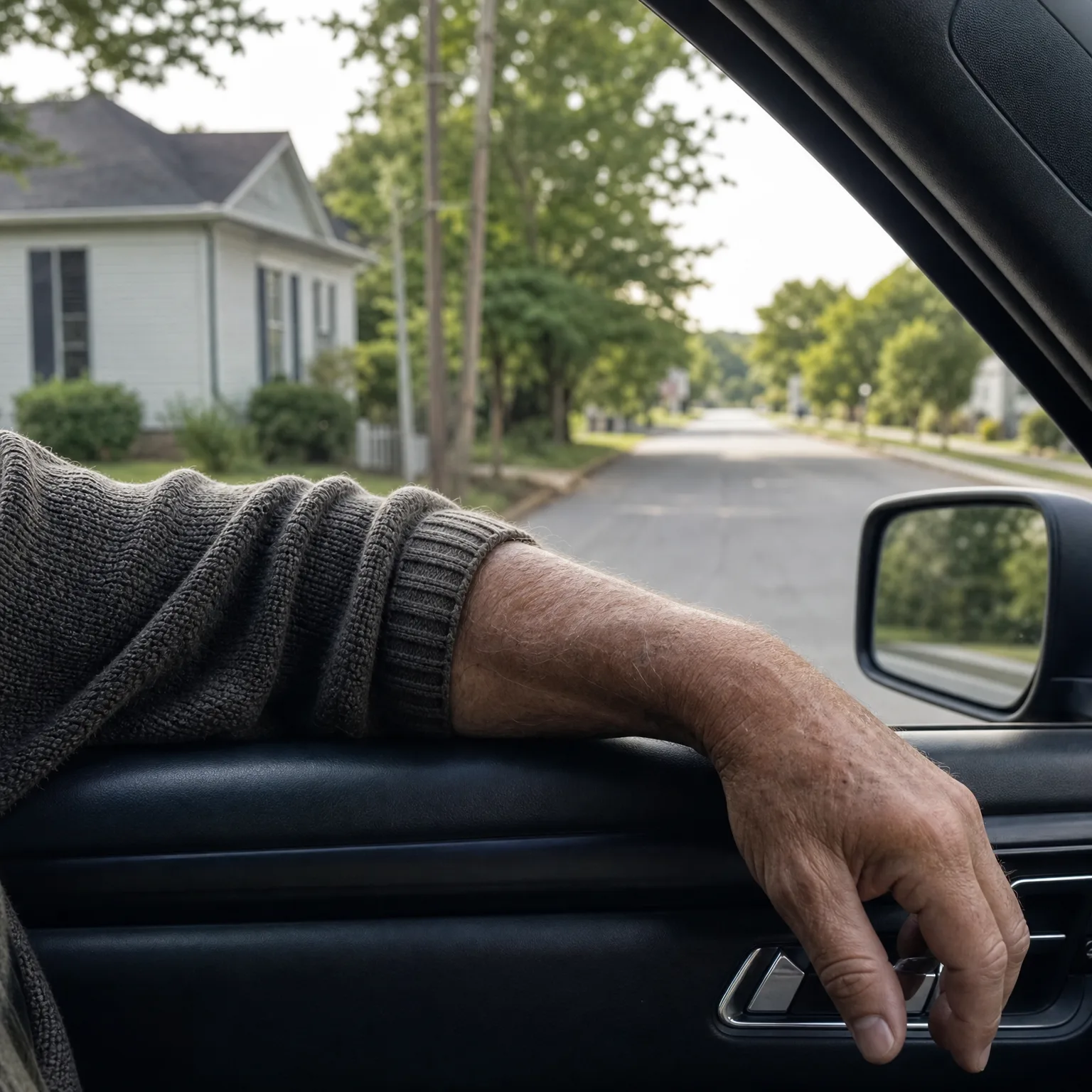
What the front driver did matters
Fault shifts when the front driver contributed to the crash. Sudden braking for no reason, reversing without warning, or a sudden lane change into a stop can all put some or all of the blame on them.
Broken equipment matters too. If the brake lights weren't working, the driver behind had no warning the car ahead was slowing down. An insurer investigating the crash will often check whether the lights were functioning.
A chain reaction crash, where one car rear-ends another and pushes it into a third car, usually gets fault assigned separately to each impact. The driver in the middle may not be blamed for the second collision if they were pushed into it.
What the front driver was doing right before the crash is one of the first things an insurance adjuster will ask about, so it's worth writing down everything you remember as soon as possible after the crash.
The state you're in sets the rules
How fault gets divided, and what happens when both drivers share some blame, depends on your state's law. Some states allow a driver who was partly at fault to still recover something. Others reduce or bar that entirely past a certain point of fault.
This is also where insurance comes in differently by state. In some states, each driver's own insurer pays for their damage regardless of fault. In others, the at-fault driver's insurer is expected to cover the other driver's losses.
Because this varies, it's worth checking your state's rule directly, or asking your insurer how fault is determined and paid out where you live. The police report filed at the scene often becomes the starting point for that determination, so getting one filed matters.
Questions people ask about this
Does my insurance go up if I'm rear-ended but not at fault?
It shouldn't, if the report and the claim clearly show the other driver was at fault. Ask your insurer directly how they handle claims where you weren't responsible, since practices can differ by company.
Keep any documentation from the scene and the claim, since that record is what protects you if the renewal rate ever looks higher than expected.
What should I do right after a rear-end collision?
Call the police so a report gets filed, even if the damage looks minor. That report becomes the main record used to sort out fault later.
Take photos of both cars, the road, and anything relevant like traffic signals or brake lights. Get the other driver's insurance information and write down what happened while it's fresh.
Can I be partly at fault if I was rear-ended?
Yes, if something you did contributed to the crash, like a sudden stop without reason or a broken tail light. An investigation looks at both drivers' actions, not just who made contact first.
How shared fault affects what you can recover depends on your state's rule, so that's worth confirming directly.
Does a rear-end collision always mean the other driver was tailgating?
Not necessarily. Fault in these crashes usually comes down to following distance and reaction time, but tailgating is just one way that happens.
A driver can also be found at fault for following at a normal distance but not paying attention, or for failing to brake in time for a reason that doesn't excuse them.
Will a rear-end collision affect my car insurance rate at renewal?
That depends on your insurer and whether you were found at fault. An accident where you weren't responsible is treated differently than one where you were.
Ask your insurer how a claim like this factors into your renewal, since policies on this vary by company and by state.
See how other insurers would rate this accident on your policy before your renewal comes due.
Get a copy of the police report once it's filed, since that document will matter most if fault is ever disputed. Call your insurer and ask directly how they're classifying the claim and whether it's being recorded as your fault. If the other driver's insurer contacts you, don't agree to a fault determination on the phone before you've seen the report yourself. Keep your photos, notes, and any repair estimates together in one place. If your state has a comparative fault rule, ask your insurer or an independent source how it would apply to your situation. Once the claim is settled, compare quotes from other insurers to see whether your current company's handling of the claim is reflected fairly in your rate.