Who Is at Fault When Both Drivers Back Up
In most backing up crashes, both drivers share the blame, because both had a duty to look before they moved.
Both drivers are usually at fault
When two cars are both backing up and they collide, most insurers and most states will put some share of fault on each driver. Backing up puts the duty on you to make sure it's clear behind you, and that duty doesn't go away because someone else was also backing up at the same time.
How the fault actually splits depends on the details. Who had more room to see, who started moving first, whether one car was already stopped and the other was still in motion, whether it happened in a parking lot, a driveway, or a travel lane. Your insurer will look at the police report, any witness statements, and sometimes damage patterns on both cars to decide how much of the fault belongs to each side.
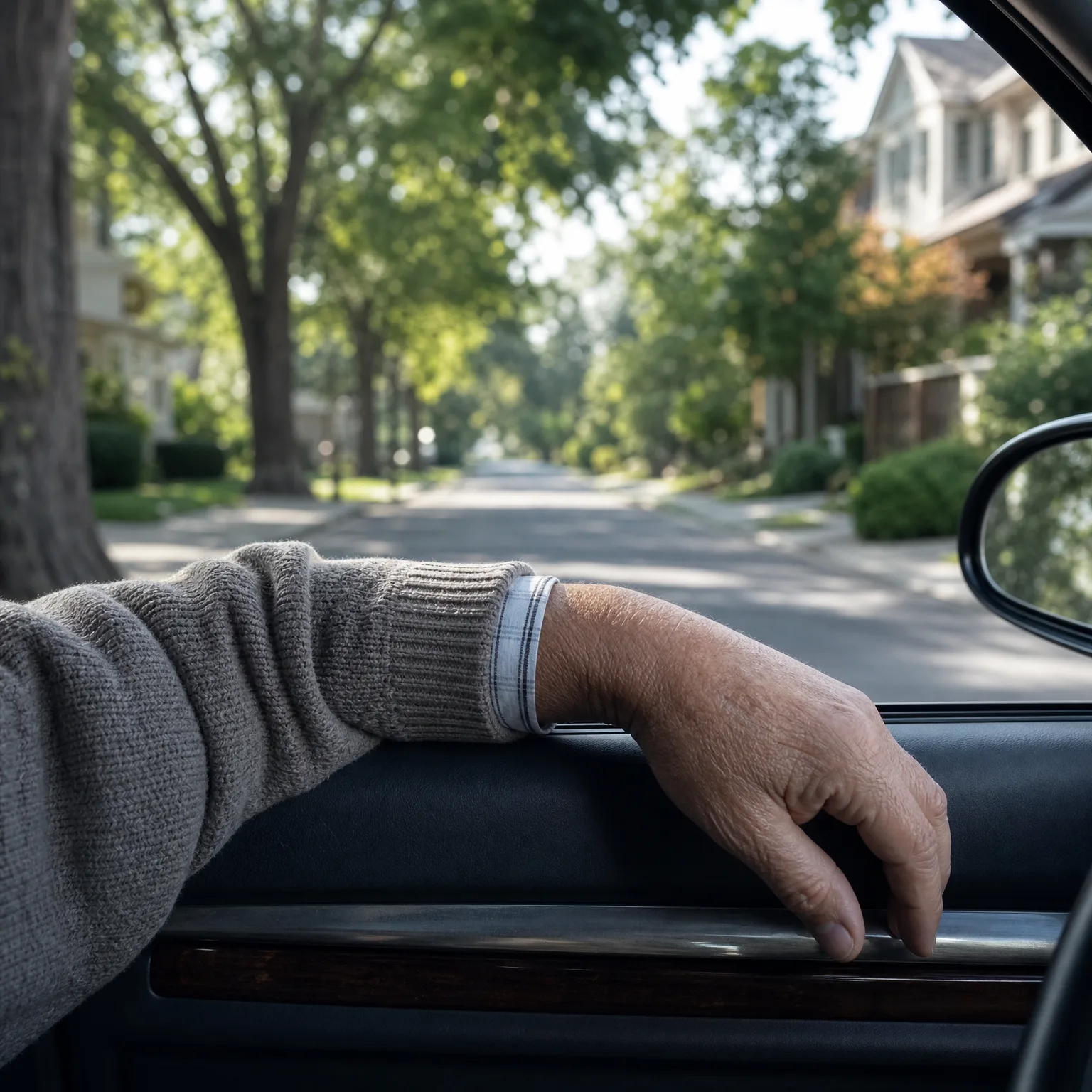
Where the crash happened changes the analysis
A parking lot is treated differently than a street or a driveway. In a parking lot, there's often no clear right of way, so investigators look mostly at who was moving, who was stopped, and who had a clearer view. Both drivers backing out of spaces at the same time is one of the most common splits of fault, because neither has priority over the other.
On a street, the rules are more settled. A driver backing out of a driveway onto a road usually owes a higher duty of care than a driver already in the road. If the crash happened where one car was backing from a fixed point, like a driveway or a parking space, onto a path where the other car was already moving, that can tip the fault more heavily toward the one backing out.
If you're not sure how your state treats these situations, ask your insurer or your state's motor vehicle agency. Fault rules for low speed collisions like this vary by state, and your policy will follow whatever rule applies where the crash occurred.
What each driver could see matters more than who moved first
Investigators and adjusters pay close attention to sightlines. If one driver had an obstructed view, a van parked next to them, a pillar, a blind corner, and the other had a clear view of the whole area, that difference can shift more fault onto the driver who could see and still didn't stop in time.
Mirrors, backup cameras, and whether a driver turned to look over their shoulder also come up. None of these guarantee a particular outcome, but they're the kind of detail an adjuster will ask about, so it helps to write down what you remember about your own view and the other driver's while it's fresh.
What often gets missed is that fault doesn't have to be fifty-fifty. Even in a both-backing-up crash, one driver can end up with a larger share if the evidence points that way. Don't assume an even split just because both cars were in reverse.
Questions people ask about this
Does it matter who hit who first when both cars are backing up?
It can, but it isn't decisive on its own. Adjusters look at the full picture, including speed, visibility, and position, not just which bumper made contact first. A police report or witness account of the sequence of events carries more weight than the point of impact alone.
Will my insurance rate go up if fault is split between both drivers?
It depends on your insurer and the percentage of fault assigned to you. Some insurers raise rates for any at-fault share, however small, while others have thresholds. Ask your agent how your specific insurer handles partial fault before you assume what will happen to your premium.
What should I do right after a backing up crash with another car?
Exchange insurance information, take photos of both cars' positions, and note anything that blocked either driver's view. Call the police if your state requires a report for crashes like this, since an officer's account of the scene often becomes the main evidence used to divide fault.
Can a backup camera help prove I wasn't at fault?
It can support your account if it recorded the moments before the crash, but it isn't automatic proof of fault either way. Save the footage right away and give a copy to your insurer, since many cameras overwrite older recordings within days.
Does it change anything if one driver was in a marked parking spot and the other was in a lane?
It can. A driver backing out of a marked space generally owes a duty to yield to cars already moving through a lane or aisle. If the other driver was traveling through an area where through traffic has the right of way, that can shift more responsibility onto the one leaving the spot.
See how insurers in your situation tend to price this kind of claim before you decide what to do next.
Get a copy of the police report if one was filed, since it will likely list how fault was divided. Call your insurer this week to report the crash even if you're unsure how fault will land, and ask them directly how they weigh a both-backing-up situation. Write down what you could and couldn't see at the time while your memory is still clear, and gather any photos or dashcam or backup camera footage before it's deleted. If the other driver's insurer contacts you first, ask for everything in writing before you agree to any share of fault.