If a Car Suddenly Stops and You Hit It Are You at Fault
The driver who hits the car ahead is almost always the one found at fault, even if that car stopped suddenly.
In most cases, yes, you're at fault
Drivers are expected to leave enough room to stop safely for the car ahead, no matter why it stops. If you hit the back of another car, the assumption is that you were following too closely or not paying close enough attention to react in time.
That assumption can be challenged. If the other driver stopped for no reason at all, reversed into you, or cut you off and braked right away, fault can shift or split between both drivers. But the burden is on you to show that happened. Without evidence, the default finding goes against the car that did the hitting.
What the other driver was doing matters
A driver who brakes hard for a dog running into the road, or to avoid a crash ahead, is not at fault for stopping. Sudden stops are something every driver has to be ready for.
It's different if the other driver stopped as part of some kind of scheme, slamming the brakes with no hazard present, or if their brake lights weren't working and gave you no warning. Those situations can shift fault partly or fully onto them, but you need something to back it up: a dashcam clip, a witness, a police report noting broken taillights.
If you only have your word against theirs, the insurer handling the claim will likely lean on the general rule that the rear driver is responsible. Check whether your car has a dashcam or your route has traffic cameras before you assume there's no way to show what happened.
Following distance is what insurers look at
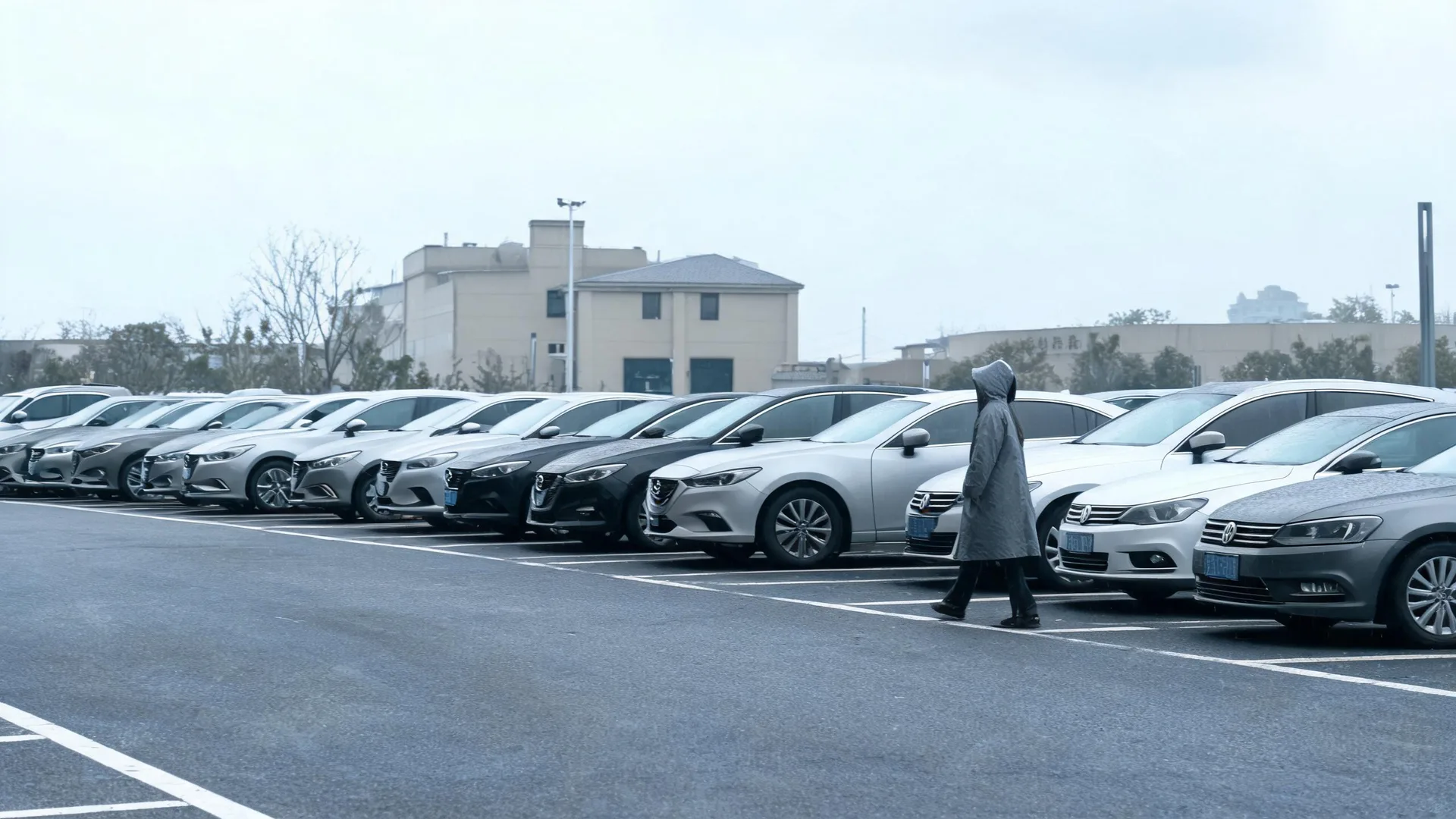
Investigators and insurance adjusters ask how much space you left between your car and the one ahead. If you were close enough that even a quick stop should have been avoidable with proper following distance, that weighs heavily against you.
Conditions matter too. Wet roads, poor visibility, or heavy traffic all call for more space than you'd leave on a clear, open road. If you were following at a distance that would have been fine in good conditions but wasn't enough for the day's actual conditions, that can still count against you.
A police report, if one was filed, often notes road conditions and any skid marks, which can support or undercut your account. If no officer came to the scene, write down the conditions yourself as soon as you can, while you still remember them clearly.
Questions people ask about this
Can fault be shared between both drivers in a rear-end crash?
Yes, some states allow fault to be split between both drivers if evidence shows the lead driver did something careless, like stopping without reason or reversing. Ask your insurer or check your state's rule on comparative fault to see how a shared finding would affect your claim.
Does a dashcam help prove I'm not at fault?
It can, since footage showing the other car braking without cause or reversing into you is some of the clearest evidence an insurer or police officer can review. If you don't have one installed, nearby businesses or traffic cameras sometimes capture the same intersection or stretch of road.
Will my insurance rate go up if I'm found at fault for rear-ending someone?
It depends on your insurer and your driving history, since each company weighs an at-fault accident differently. Ask your agent how this particular claim would affect your renewal before you decide whether to file through your own policy or pay out of pocket.
What should I do right after a rear-end crash to protect myself?
Take photos of both cars, the road, and anything relevant like skid marks or broken lights, and get contact information from any witnesses. If police respond, ask for the report number, and write down your own account of what happened before the details fade.
Can the other driver be at fault if they stopped for a yellow light?
Stopping for a yellow light is considered normal driving, not a sudden or careless stop, so this alone won't shift fault to them. The same following-distance rule applies, you're expected to leave room for a car ahead of you to stop at a light that's changing.
See how an at-fault accident could change what you pay, and compare quotes from insurers who'll look at your record as a whole.
Gather what you have from the scene this week: photos, any dashcam footage, witness names, and the police report number if one exists. Call your insurer to start the claim and ask directly how fault is being determined in your case. If you believe the other driver caused the sudden stop without reason, say so and provide whatever evidence you have rather than assuming it won't matter. Ask your agent how this claim is likely to affect your policy before you decide whether to file through insurance or handle repairs yourself. If the state's fault rules are unclear to you, ask your insurer to explain how comparative fault works where you live.