How to Determine Whose Fault in a Car Accident
Fault comes down to who the evidence and your state's rules say caused the crash, and insurers often disagree before they settle on an answer.
Fault is decided by evidence and state rules, not by who files first
No single person gets to declare who's at fault. The insurance companies involved look at the police report, the damage, any witness statements, and the traffic laws that applied at that spot and that moment, then each one forms its own judgment about who caused the crash.
That judgment can take time, and the two insurers don't always agree. Some states assign a percentage of fault to each driver rather than putting it all on one side, so the answer isn't always all or nothing.
Your state's fault rule shapes the whole process
Some states use a system where only one driver can be found at fault, and that driver's insurer pays for the other side's damage. Other states allow fault to be split between both drivers, with each side covering a share based on how much they contributed.
This matters because in a split-fault state, being found partly responsible can still reduce what you collect, even if the other driver did most of the damage. Ask your insurer or agent which system your state uses, since it changes what evidence matters most for your claim.
It also changes what you should do at the scene. If your state splits fault by percentage, small details, who had the stop sign, who was turning, who had the right of way, carry more weight than they would in a state where fault just goes to one driver.
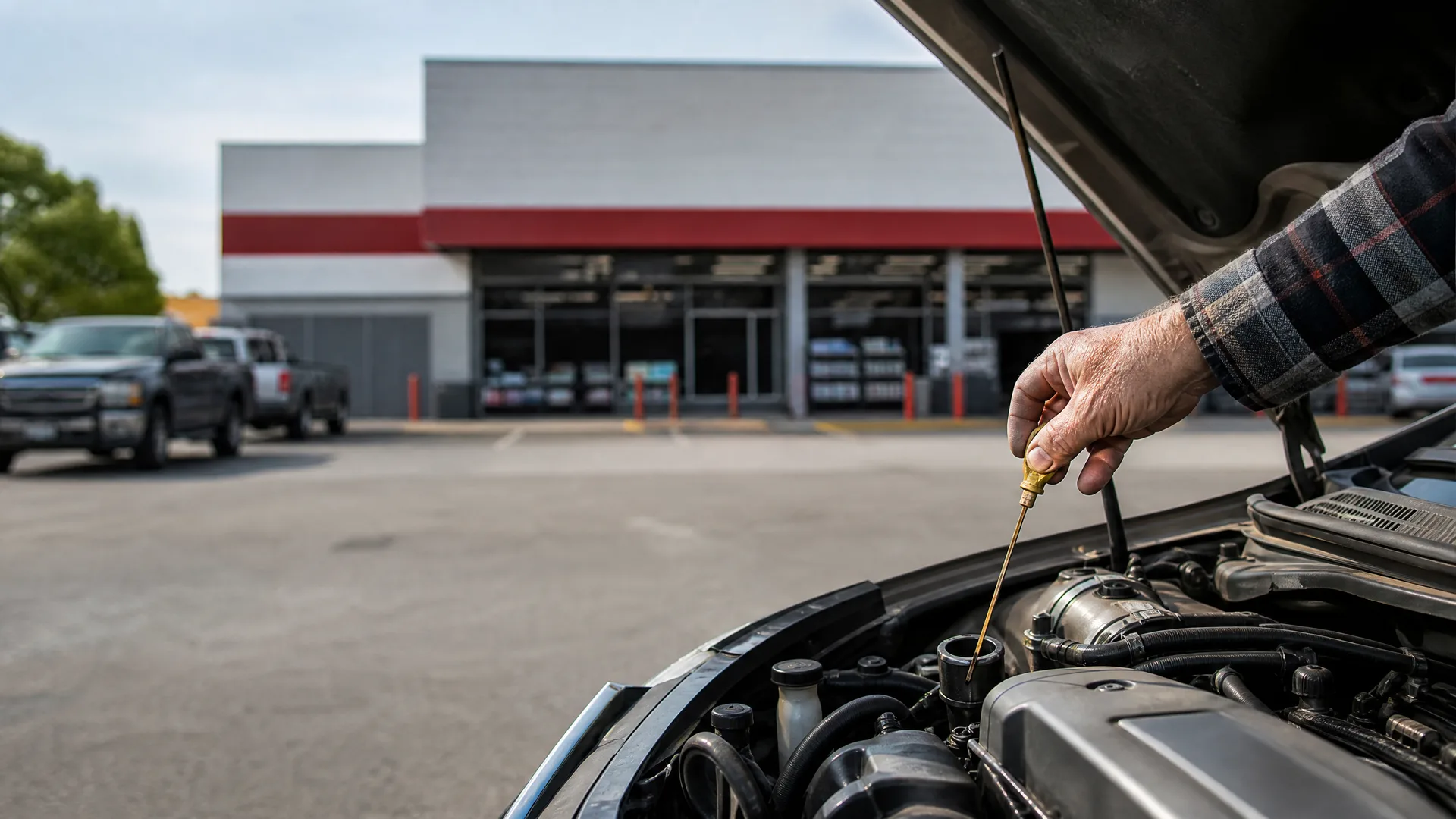
What you do right after the crash affects how fault gets decided
The police report is often the first document an insurer looks at, so what you say to the officer at the scene matters. Stick to what happened, not who you think was at fault. An offhand apology or guess can end up in the report and work against you later.
Photos of the vehicles, the road, any skid marks, and the traffic signals or signs nearby give the insurers something concrete to work from. Witness names and numbers help too, since memories fade and the people involved often remember the crash differently from each other.
If you have a dashcam or your car has an event data recorder, that information can settle a dispute that would otherwise come down to one driver's word against the other's. Check with your insurer about how to submit that kind of evidence if you have it.
Questions people ask about this
What happens if both drivers are found partly at fault?
Each driver's insurer typically pays a share based on the percentage of fault assigned, if your state allows split fault. Check with your insurer about how your state handles this, since the rule changes what you can recover.
Can I dispute a fault determination from my insurer?
Yes, you can ask your insurer to explain how it reached its decision and provide any evidence you have that wasn't considered. Insurers will sometimes revise a fault finding when new photos, witness statements, or a corrected police report come in.
Does a police report decide who is at fault?
A police report is evidence insurers rely on, but it isn't the final word on fault. The officer records what they observed and what people said at the scene, and the insurers still make their own determination from that and other evidence.
How does fault affect my insurance rates after an accident?
If you're found at fault, your insurer may treat the accident as part of your claims history when your policy renews. Ask your insurer how an at-fault accident affects your specific policy, since this varies by insurer and by state.
What if the other driver's insurer blames me unfairly?
You can present your own evidence directly to the other driver's insurer or ask your own insurer to advocate on your behalf. Keep copies of everything you submit, since these disputes can take time to resolve.
See how other drivers in your situation are covered before you deal with the fault dispute.
Get a copy of the police report as soon as it's available and read it closely for anything inaccurate. Gather your own photos, witness contact information, and any dashcam footage before memories and evidence disappear. Call your insurer to ask which fault system your state uses and what they still need from you. If the other insurer assigns you fault you disagree with, ask your own insurer what the process is for disputing it and what evidence would help.